

Buy a ticket
Buy your museum admission ticket through the online ticket office or at the museum's ticket desk.
 The admission ticket grants access to the permanent collections and temporary exhibitions.
-
The Exhibition
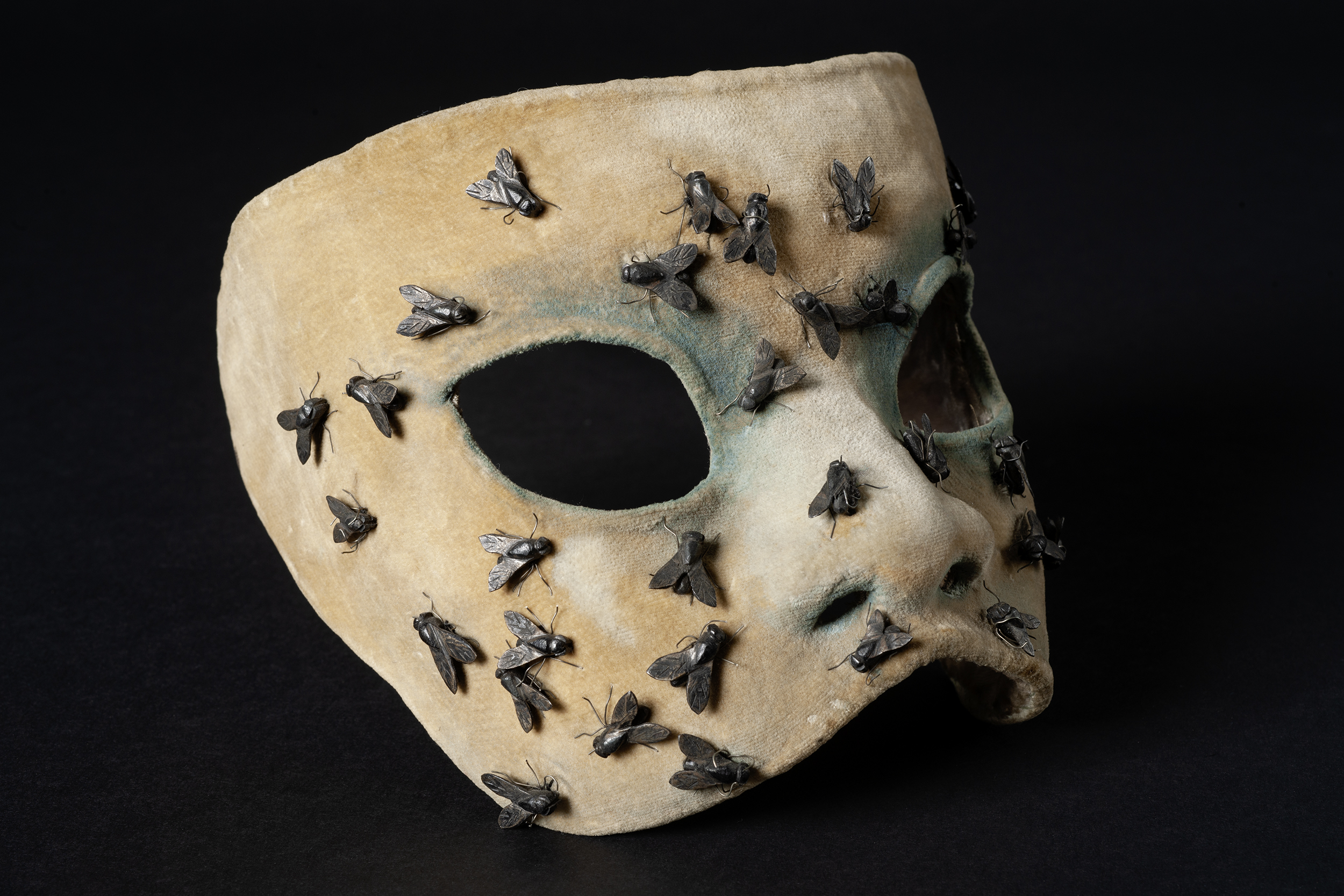
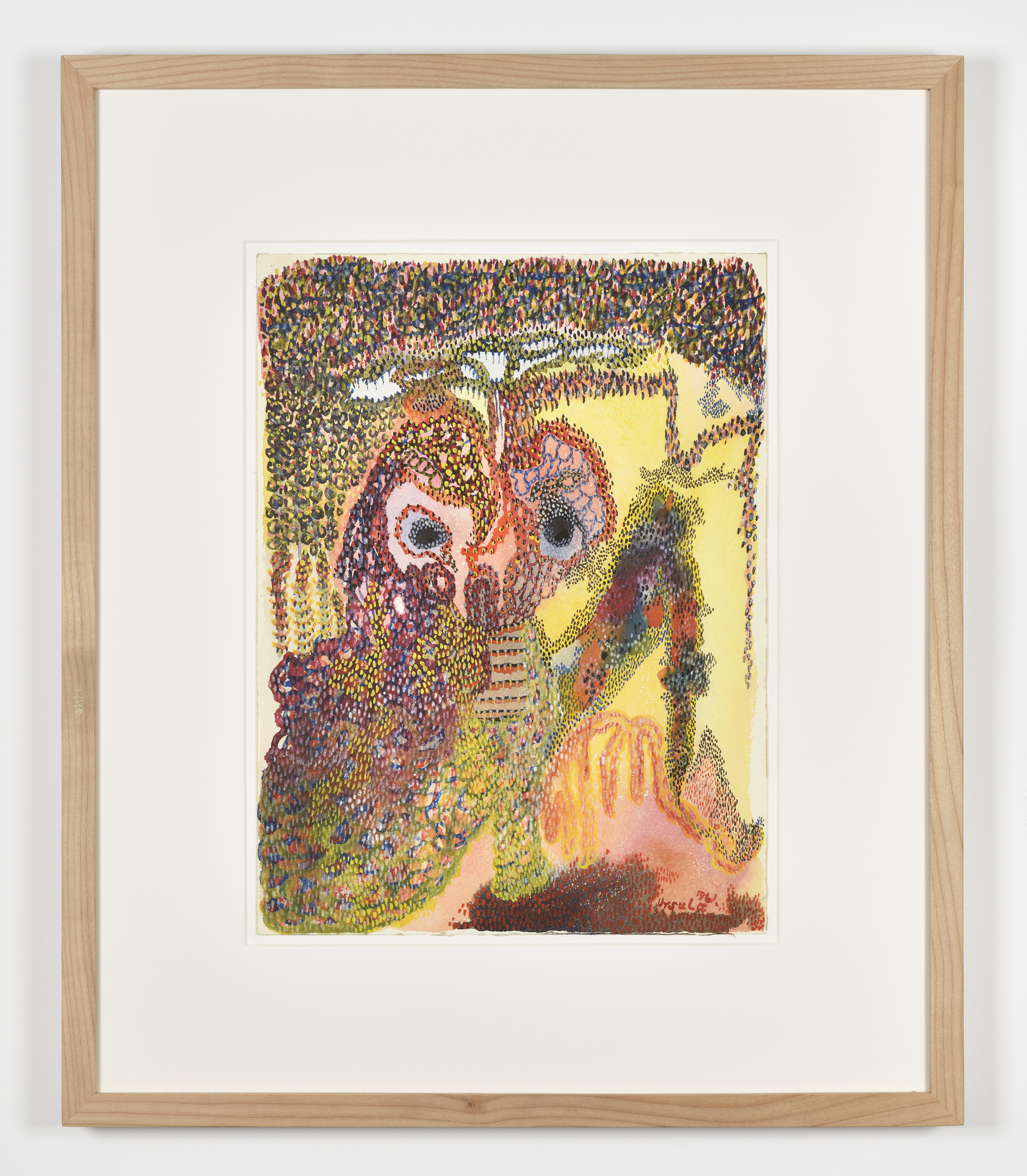
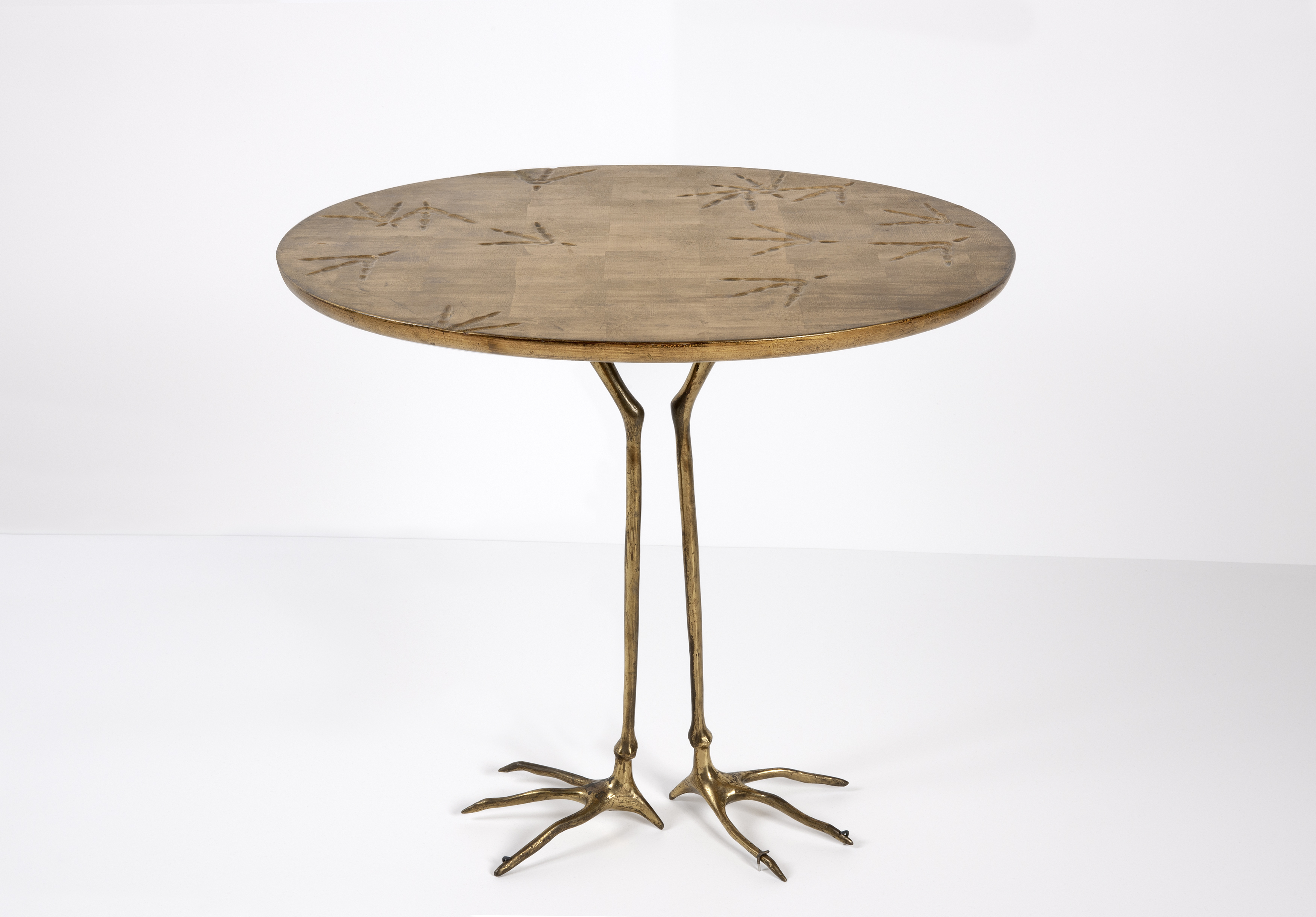
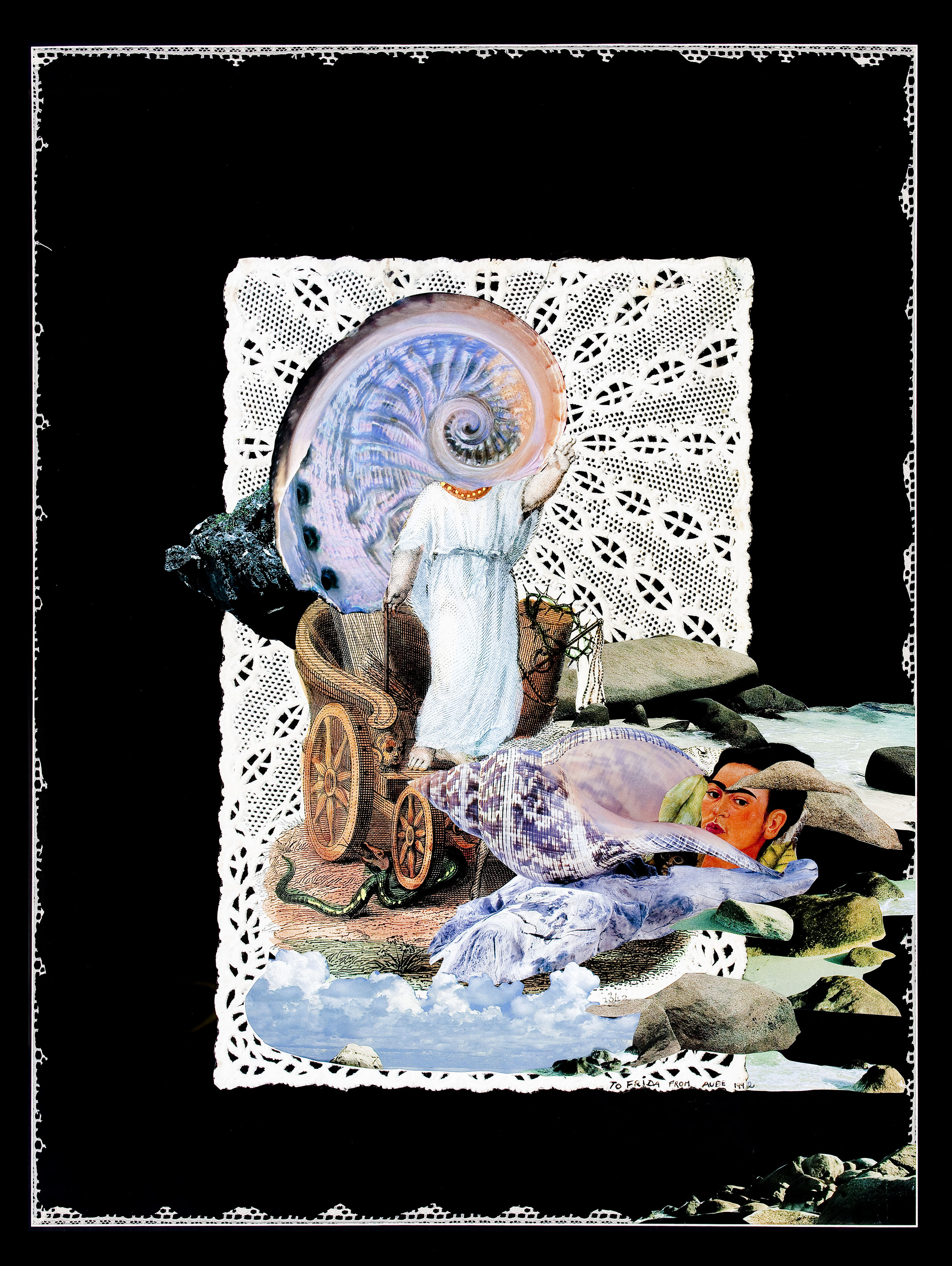
Drawing on its unique collections and numerous exceptional loans, the museum offers a fresh perspective on the movement through the eyes and artistic journeys of these female artists, who—through a multifaceted practice (painting, photography, sculpture, drawing, writing, and film)—embraced Surrealist ideas to explore their relationship to the world and to themselves. The exhibition reveals a free-flowing constellation that continues to transcend time, thereby broadening the conventional understanding of Surrealism beyond the boundaries of an established movement.
A Fresh and Organic Interpretation of Surrealism
As early as the 1970s, scholars such as Gloria Orenstein and Whitney Chadwick shed light on the invisibility of women in the history of Surrealism. Their work paved the way for numerous international publications and exhibitions. Following *Surrealism au féminin?*, presented at the Musée de Montmartre in 2023, the project conceived by the Musée d’arts de Nantes marks another milestone in this rewriting of the history of Surrealism. The exhibition offers a fresh perspective by examining the works within their social and historical context, the relationships among the artists, and the connections these women had with their era—ranging from criticism to political activism. The key role of women “facilitators” (gallery owners, patrons, and collectors), whose material support made the development of Surrealist ideas possible, is highlighted. This organic approach, which emphasizes interactions, exchanges, and networks rather than mere juxtapositions, is the principle underpinning the exhibition, reflecting the Surrealist constellation itself.

MIN Jung-Yeon (born 1979), Works, 2023. © Courtesy of Min Jung-Yeon & Galerie Maria Lund. Photo: Thierry Estrade
A Broader Approach to Surrealism
The exhibition adopts an open definition of Surrealism, understood as the liberation of the unconscious through creative means. It offers a multidisciplinary journey (painting, sculpture, photography, drawing, writing, film) that highlights artists who are sometimes little known to the French public, centered on a historical body of work spanning the 1920s to the 1960s. The exhibition explores the contribution of women artists to the surrealist imagination. Conversely, it focuses on the ways in which the questions, theories, and practices of surrealism have found—and continue to find—expression in the work of women artists. The exhibition also presents a collection of contemporary works, from the 1970s to the present, that are part of the surrealist legacy and demonstrate its extraordinary enduring power.
The exhibition is organized into four sections:
1. Being Yourself: The Game of Identities
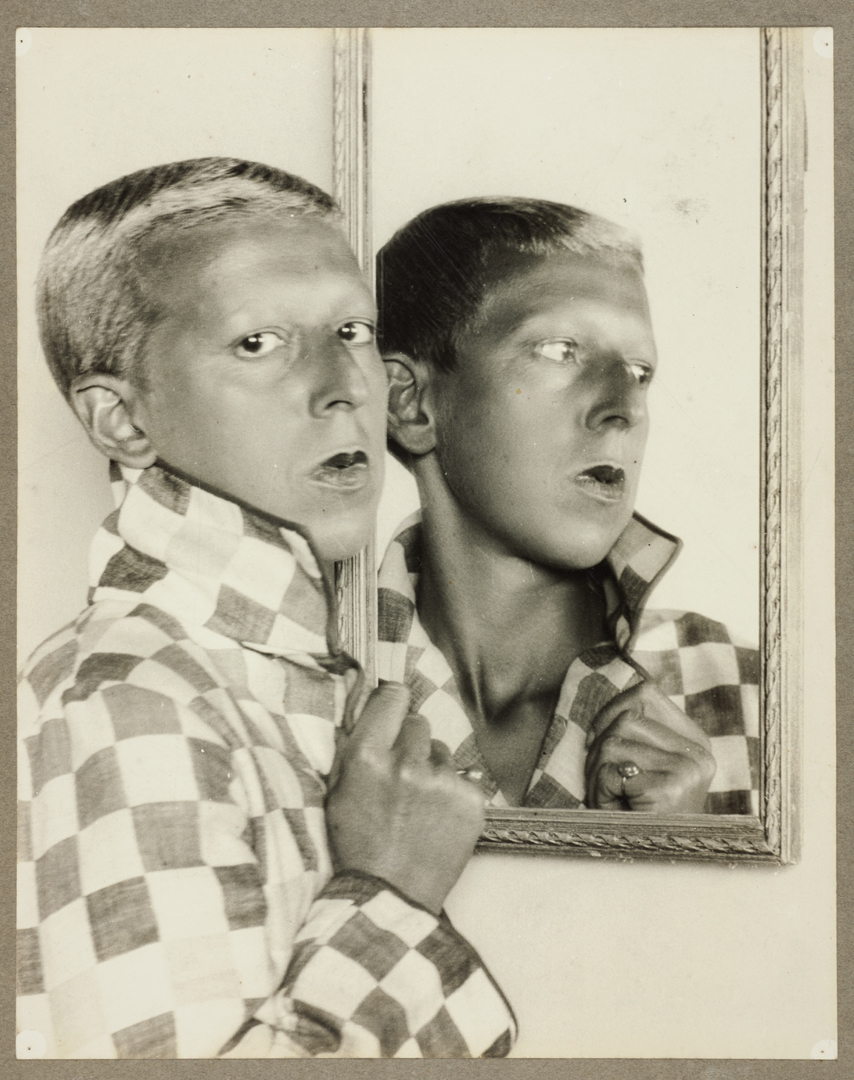
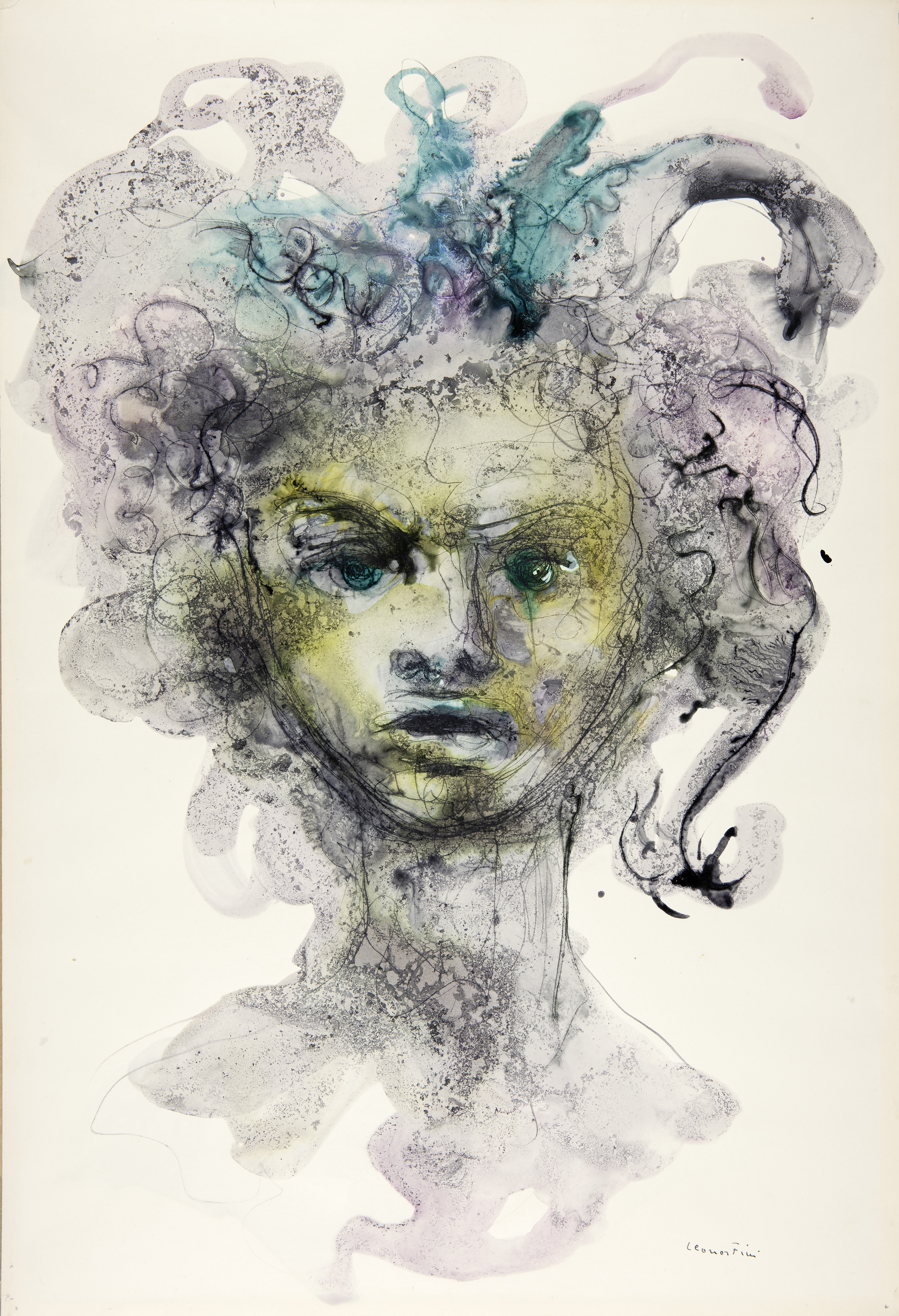
Female artists associated with Surrealism show a particular fondness for self-portraiture. Often metaphorical, the representation of the self embodies, for them, the quest for their own artistic identity. Monsters, chimeras, unsettling doubles, and androgynous silhouettes all contribute to a challenge of the conventions governing the representation of women. These artists—foremost among them Leonor Fini and Claude Cahun—play with constructed images of femininity, redistributing or transcending them with great freedom. Cahun thus rejects all gender conventions when she writes: “Masculine? Feminine? Well, it depends on the situation. Neutral is the only gender that always suits me.”
2. Moving Through Spaces
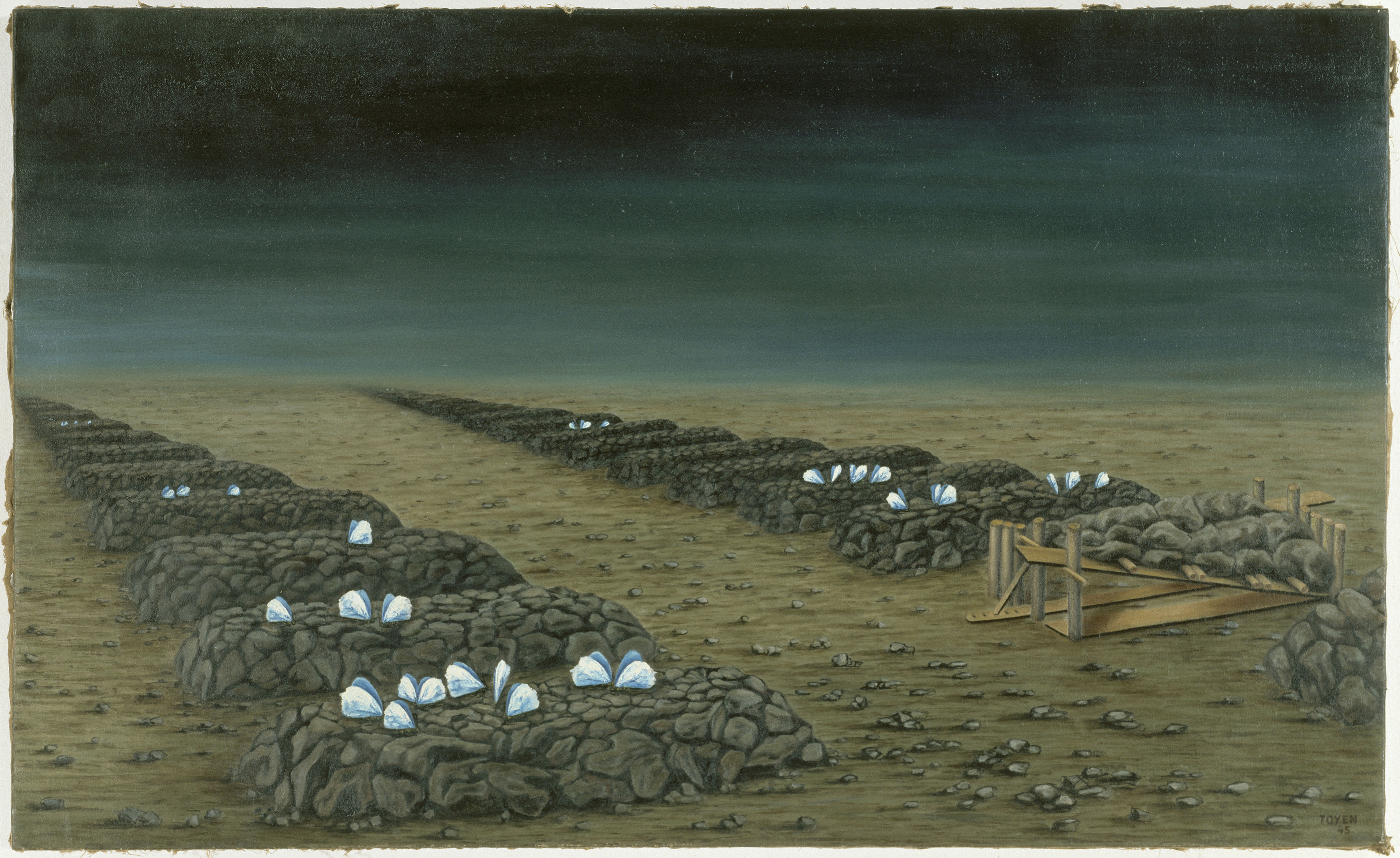
The traversal of spaces is a recurring motif for female artists associated with Surrealism. Their works reveal depopulated horizons or deserted, labyrinthine mazes. These spaces are often distorted, indifferent to the laws of perspective; uninhabitable structures rise up. Space and the forms that inhabit it become a metaphor for the inner state of a being confronted with the reality of the world. From impossible landscapes—such as the empty, uncomfortable environments imagined by Kay Sage—to the depiction of desolate, abandoned, or ravaged settings, these works are all ways of evoking the violence of a chaotic century.
3. Critical Presences: The Body in Revolt
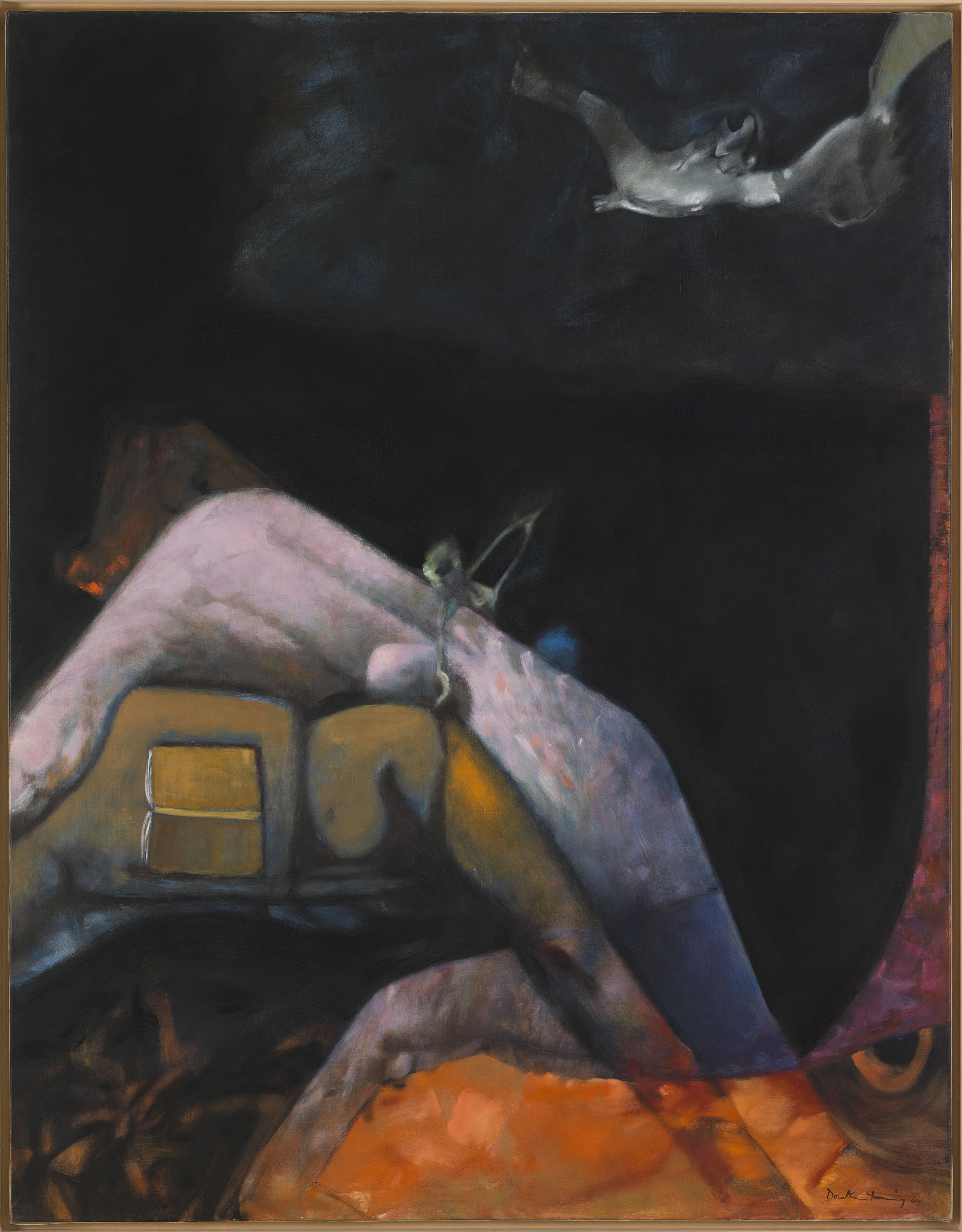
Female artists associated with Surrealism focus on the body as a site of experience. It is through the physical body that the world can be perceived; it is within the body that the impulses of the unconscious arise. Through the depiction of the body, these artists also express their struggle against a society that tends to constrain and limit women’s destinies. The depiction of distorted or fragmented bodies serves to undermine that eternal romantic femininity to which male Surrealist artists were so attached. The artists challenge the stereotype of women as objects—passive models of physical beauty—and further reject the supposed virtues of a domestic life to which women are supposedly bound.
4. Toward Eco-Surrealism? Mythologies of Life
The forms of nature lie at the heart of the work of female artists associated with Surrealism. In its many forms, nature is no longer merely a prop or a backdrop. Animal, human, and plant figures, as well as celestial, terrestrial, and marine worlds, intertwine in a desire for union—a symbol of the infinite cycle of life and the alchemy of the elements. They also blur the accepted dualities between reason and the supernatural, the feminine and the masculine, and the “non-human” realm and that of humanity. Particularly inspiring for today’s artists, this approach has been described as “eco-surrealism.”
Throughout the exhibition, thematic sections provide historical context. They highlight iconic figures such as Claude Cahun, Leonor Fini, and Toyen, as well as “pioneers” like Peggy Guggenheim, Marie-Laure de Noailles, and Simone Kahn, without whom Surrealism would not have achieved the same level of popularity.
Carte Blanche for Hélène Delprat
True to its commitment to creating a dialogue between the art of the past and contemporary creation, the Nantes Museum of Art is presenting an exhibition featuring some fifteen contemporary artists, with Hélène Delprat as the central figure. Open to a variety of media—painting, video, and performance—Hélène Delprat’s work is characterized by inventiveness, self-staging, and a sense of humor tinged with gravity. Sensitive to literary, theatrical, and cinematic references, the artist claims an affinity with the work and thought of Claude Cahun.
In the Oratory Chapel, Hélène Delprat presents *Les (fausses) conférences*, a video and performance piece that subverts the conventions of scholarly discourse and echoes the critical spirit and absurdity characteristic of Surrealism. The museum has also invited her to participate in the *Surréelles* exhibition , where she will literally take her place. In the heart of the Patio, Hélène Delprat creates a star-shaped space connecting the various sections of the exhibition. She covers its walls with mirrors and places a mannequin in her likeness at the center, mounted on a swiveling pedestal, thus offering an extension—in the form of a fragmented echo—of the work of the women artists united within the Surrealist constellation by a shared
questioning of their identity and by the affirmation of “I exist.”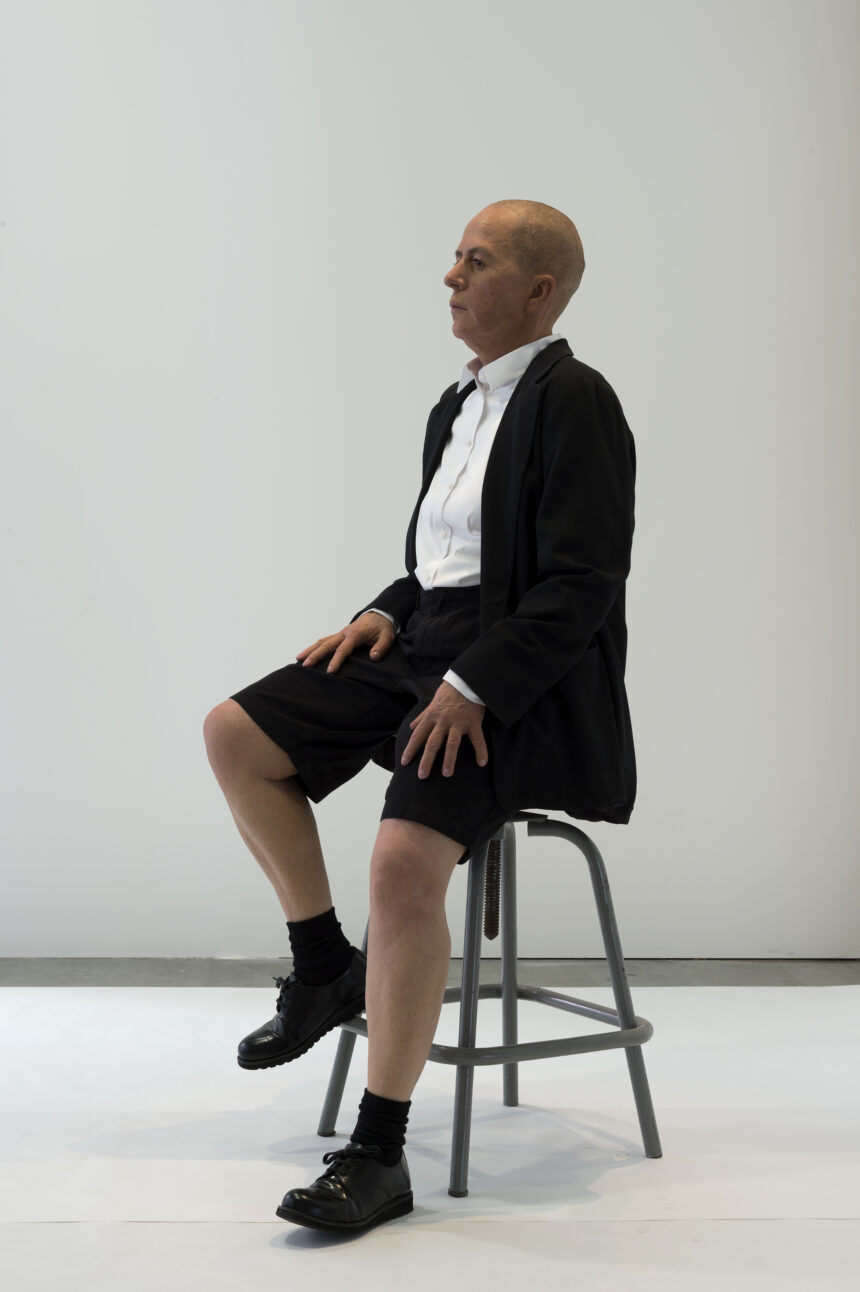
Hélène Delprat (born 1957), *Les (fausses) conférences*, 2017. Courtesy of Hélène Delprat, Galerie Christophe Gaillard, and Hauser & Wirth. Photo: Marc Domage © Hélène Delprat, Adagp, Paris, 2026
Showcasing Nantes' Collections
Nantes holds a unique place in the history of Surrealism: it was in this city that André Breton met Jacques Vaché, whose rebellious spirit played a decisive role in the movement’s origins. The exhibition pays tribute to this historic backdrop while shedding new light on it through the lens of women artists. Home to one of the most significant collections related to Claude Cahun and the custodian of a work by Toyen, the Nantes Museum of Art has recently enriched its collections with major works by Meret Oppenheim, Leonor Fini, Jane Graverol, Dorothea Tanning, and Jacqueline Lamba. These acquisitions form the foundation of the exhibition and will engage in a dialogue with numerous exceptional loans.
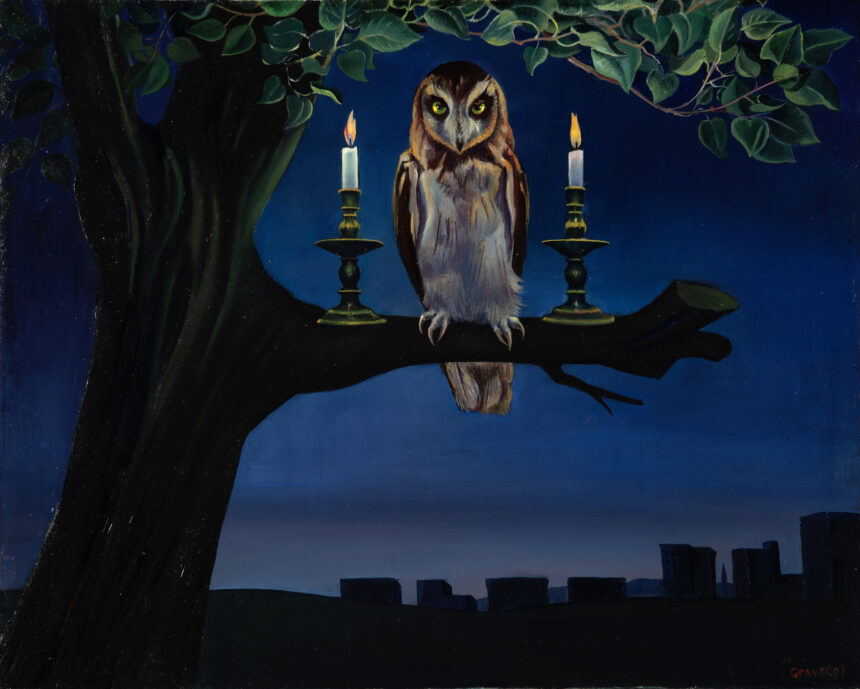
Jane Graverol (1905–1984), *Le Bon bout de la raison*, 1962. Nantes, Nantes Museum of Art © Nantes Museum of Art, photo: C. Clos. © Adagp, Paris 2025
-
Exhibition Catalog

Catalog published in conjunction with the exhibition Surreal. From Leonor Fini to Hélène Delprat: Another Journey Through Surrealism on view at the Nantes Museum of Art from November 20, 2026, to March 21, 2027.
Authors: Amélie Adamo, Hélène Delprat, Émilie Frémond, Katell Jaffrès, Claire Lebossé, Julie Verlaine
Éditions Sans Égal
Publication date: November 2026
288 pages | 23 × 29 cm
Retail price: €30 (including tax)Available for consultation at the museum library, and on sale at the museum bookshop-boutique.
General Curatorship:
Katell Jaffrès, art historian and exhibition curator at the Nantes Museum of Art.
Assisted by:
Marie Dupas, head of the Contemporary Art collection at the Nantes Museum of Art, for inviting Hélène Delprat; Amélie Adamo, art historian, for the contemporary section of the exhibition.
Exhibition concept and design initiated by Claire Lebossé, currently director of the Caen Museum of Fine Arts.
The Musée d'arts de Nantes would like to thank its patron Société Générale for its financial support of the exhibition, and the Fonds Métropolitain pour la Culture.
The museum extends its warmest thanks to its media partners, whose support plays an active part in helping the public to discover the exhibition and to visit it.

Captions:
Valentine Hugo (1887–1968), *La Vérité tomberait du ciel sous la forme d’un harfang*(Truth Would Fall from the Sky in the Form of a Snowy Owl), 1932. Saint-Denis,
Musée Paul Éluard (photo by I. Andréani) © Adagp, Paris, 2026
Karine Rougier (born in 1982), *Dans le bleu*, 2015. Artist’s collection. © JcLett © Adagp, Paris, 2026