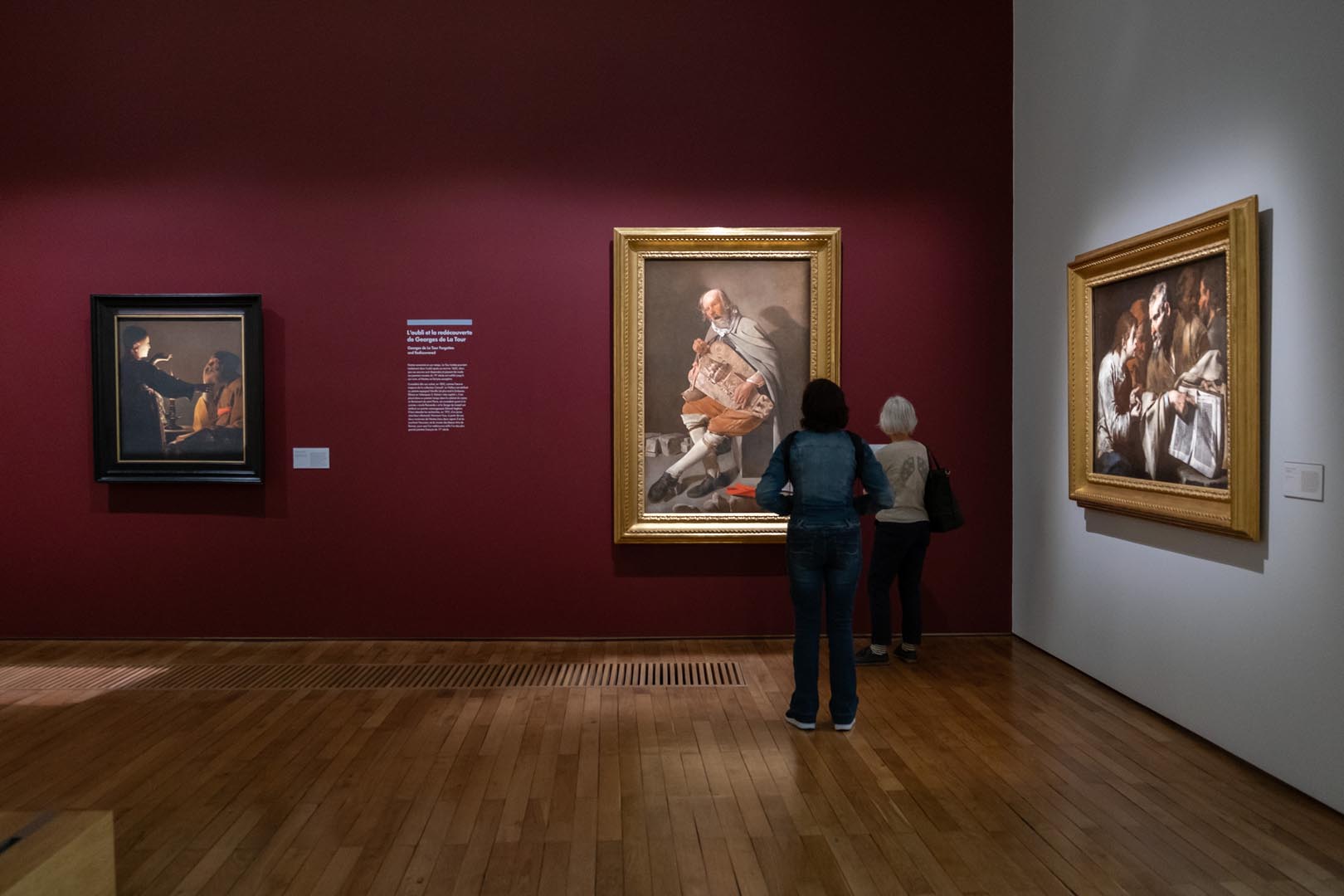
Mainly the result of the purchase of the Cacault brothers' collection, the early art collection is highly coherent. While the Italian schools predominate, from the Primitives to the 18th-century painters of urban views, there is also an astonishing 18th-century French collection, which celebrates gallant theatricality, as well as some very valuable 17th-century Flemish and Dutch works.
-
The collection
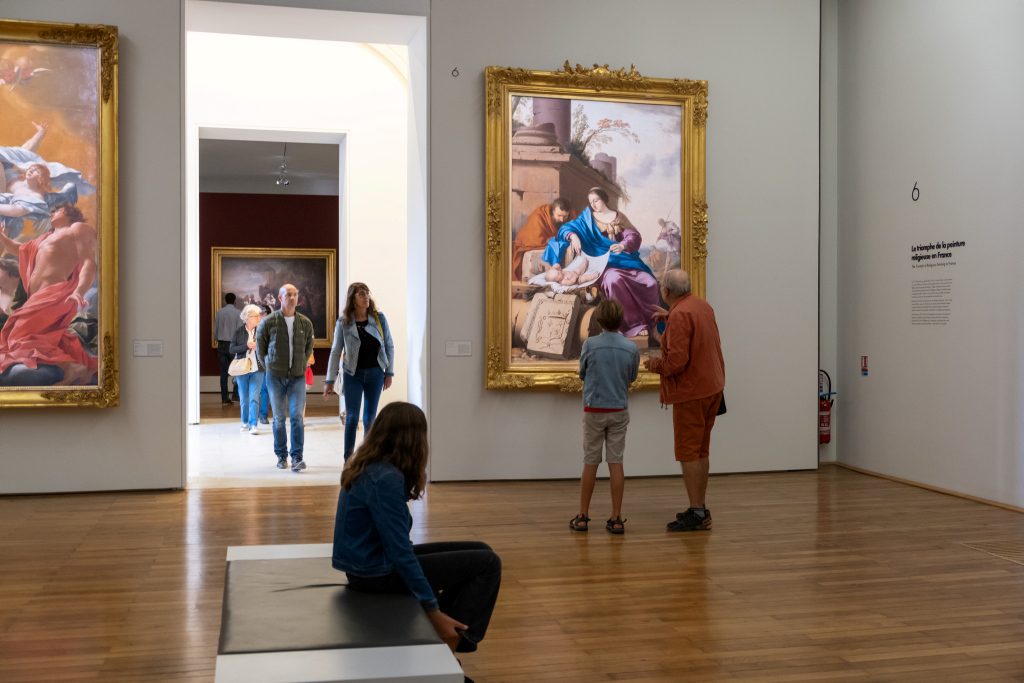
After the creation of the museum in 1801, the French government sent Nantes a number of prestigious large-format paintings from the 17th and 18th centuries: Vouet, La Hyre, Rubens and La Fosse. However, most of the museum's early art (from the 13th to the very early 19th century) comes from the founding purchase, in 1810, of the collection of diplomat François Cacault (1743-1805), originally from Nantes. His many travels and missions (Naples, Rome, Florence, Genoa...) enabled him to amass an impressive collection of masterpieces, with a marked predilection for Italian painting.
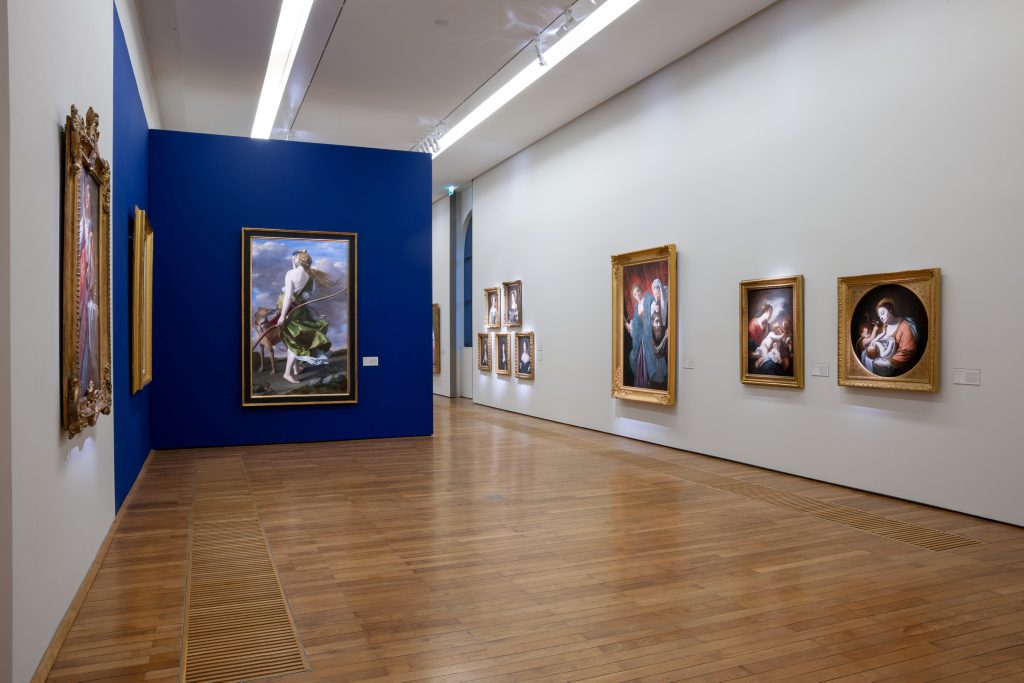
After this very important early acquisition, other high-quality purchases were made to enrich the collection. In 1965,Orazio Gentileschi 's sublime Diana the Huntress joined the museum, and in 2008, Virginia da Vezzi's Judith, the first work attributed with certainty to this important artist. The preparatory drawing for Jacques-Louis David's L'Allégorie de la Révolution à Nantes (Allegory of the Revolution in Nantes ) is as important for the painter's creative process as it is for the political history of Nantes.
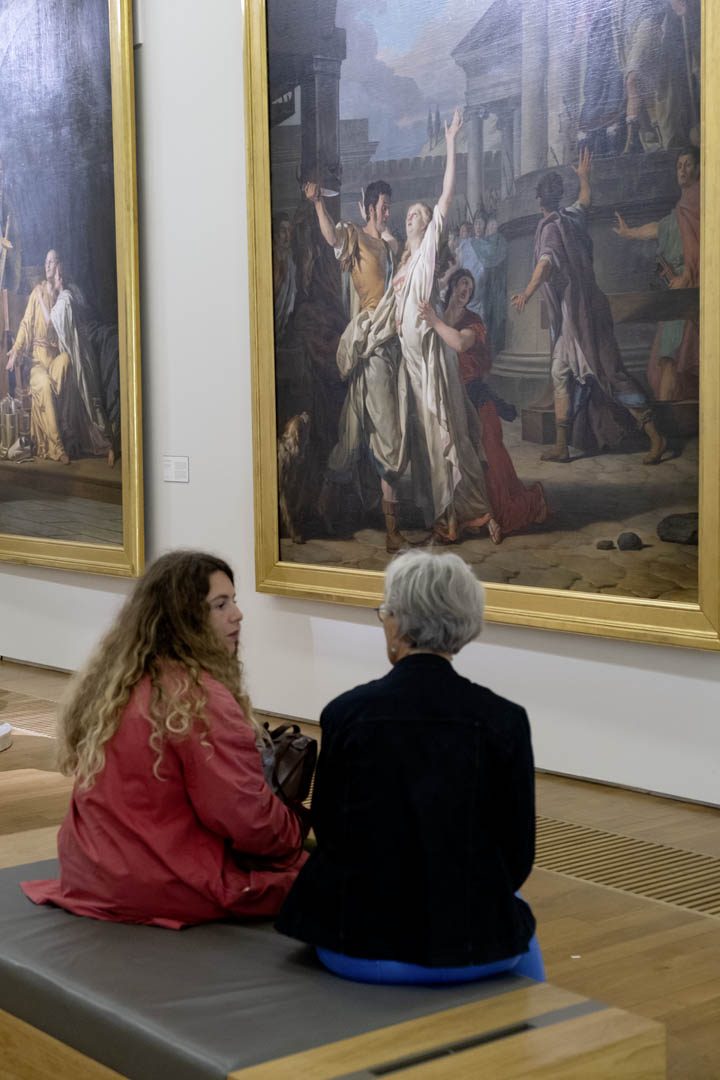
In 2022, the Musée d'arts de Nantes received thirty-four works generously bequeathed by collector Jacqueline-Françoise Boejat (1930-2022), in memory of her only daughter, Cécile (1961-2003). The collection focuses on two areas: the Golden Age, Flemish and Dutch art of the 17th century, including the sober little panel Panier de fruits et citron sur un entablement, after 1636, by Jan Davidsz de Heem (1606-1684) ; and 18th-century France, with La Visitation and La Sainte Famille pendant la fuite en Égypte servie par les anges by Charles de La Fosse (1636-1716), and landscapes byHubert Robert (1733-1808), Femme à la fontaine dans une cour de ferme and Paysage rocheux à l'aqueduc. These choices evoke the tastes of many 18th-century French collectors, right down to the small, precious formats.
These paintings are complemented by important early drawings: two by François Boucher, a Mannerist Diane and Endymion by Raffaellino da Reggio (1550-1578), and a beautiful study of Dying Sophonisba by Giovanni Francesco Barbieri, known as le Guerchin (1591-1666).
-
Hanging
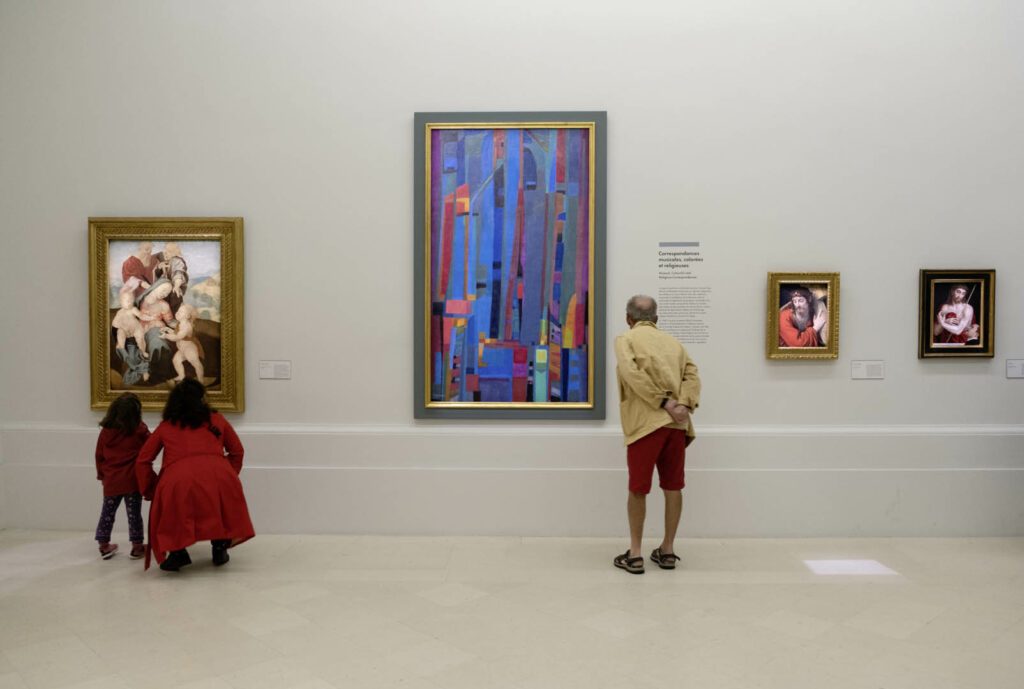
The layout of the rooms reflects the spirit of François Cacault's collection, faithful to the universality of the Enlightenment and the pedagogical spirit that inspired the creation of museums in the early 19th century.
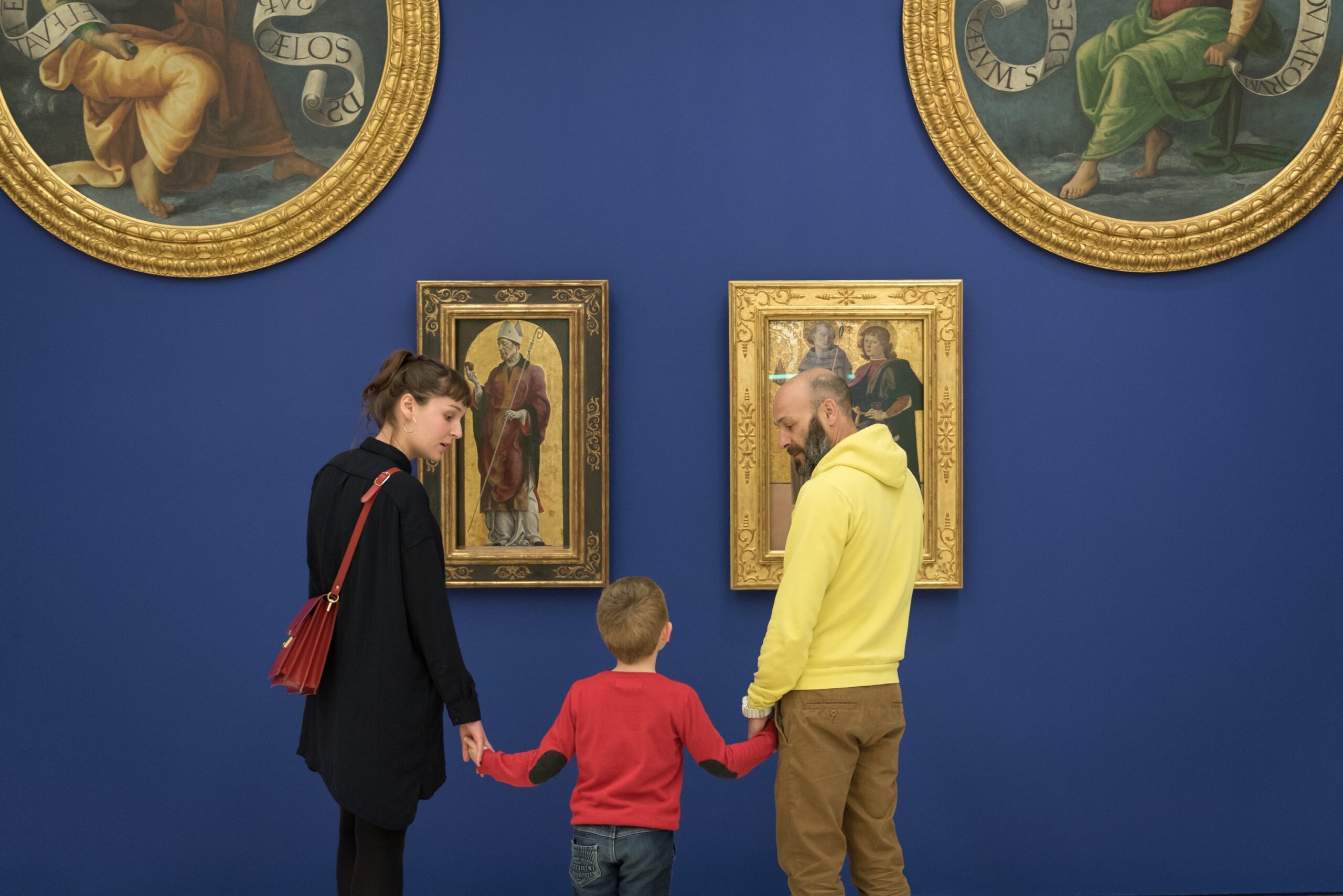
On the first floor of the Palais, visitors can step back in time, starting their journey in Italy with the Primitives (a precious collection, fully restored and displayed in a climatic showcase) and the great masters of the Renaissance(Cosme Tura, Perugino, Tintoretto).
The tour ends at the dawn of the 19th century with the romantic Combat de Nazareth byAntoine-Jean Gros and the Napoleonic legend. The succession of spaces allows a rich chronological and thematic discovery of the French, Italian, Flemish and Dutch schools from the 13th to the 18th centuries. The layout favors very different ensembles to surprise the eye: the intimacy of thematic cabinets (around saints and heroes, sacred and profane meals, portraits and landscapes...), the chiaroscuro of the Caravaggesque room (with its three Georges de La Tour paintings), the majesty of 17th-century large formats(Rubens, Simon Vouet, Philippe de Champaigne), or the dancing and musical room around theater and opera in the 18th century(Watteau, Greuze, Lancret).
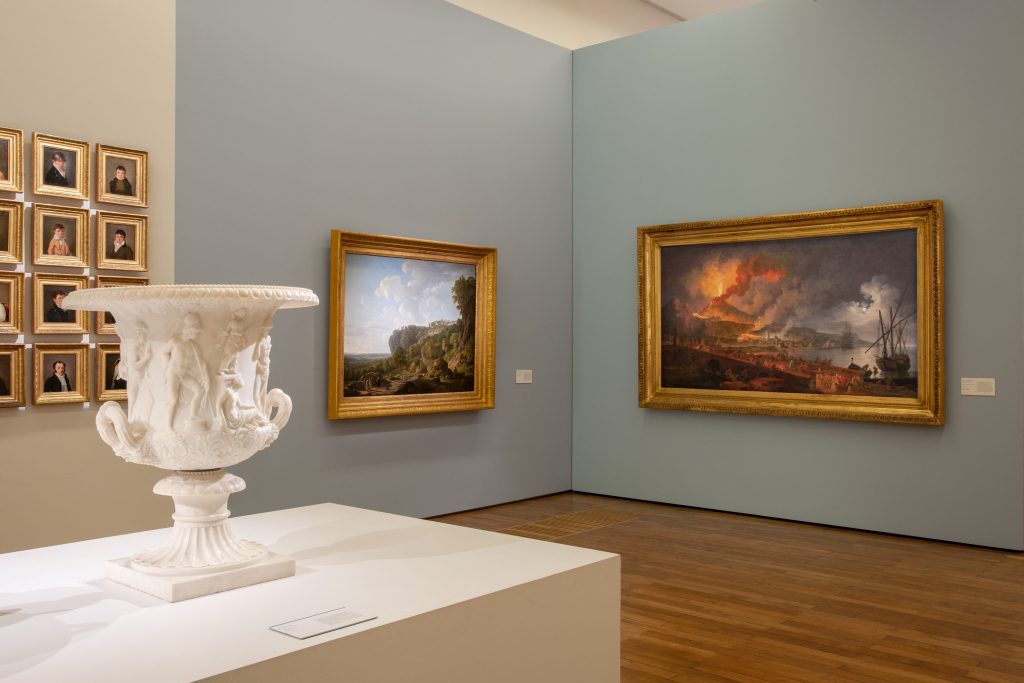
Two rooms also pay tribute to François Cacault and Pierre Cacault (his painter brother), evoking the spirit of a 19th-century collector. François' Italian career is retraced through views of Rome and Venice, taking us back to 18th-century Italy. The "musée-école" project in Clisson, near Nantes, comes back to life with a brand-new sculpture room showcasing their entire collection of antique copies.
-
Emblematic works
Emblematic works
-
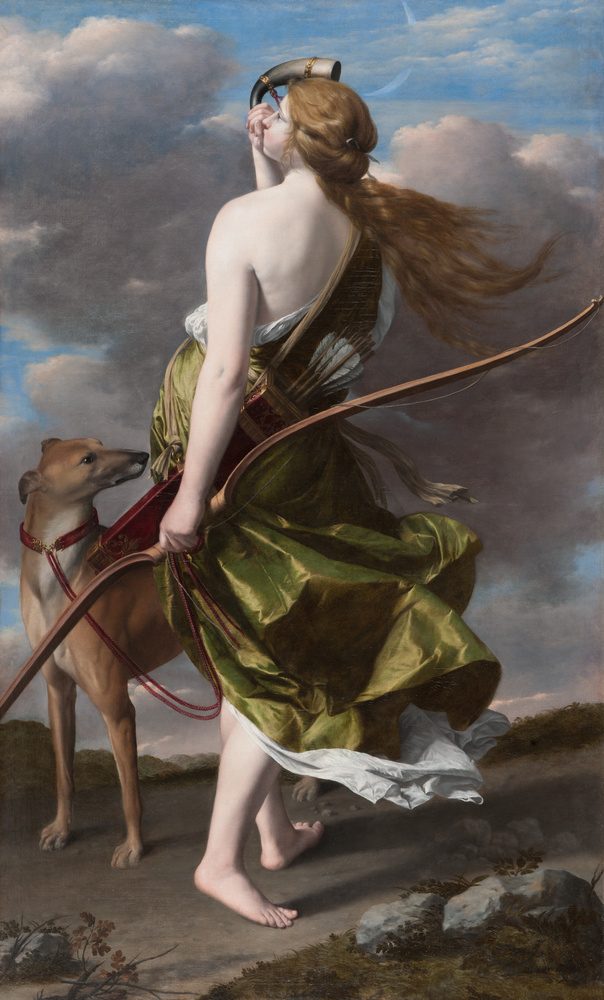 XVIIth centuryDiana the Huntress
 -
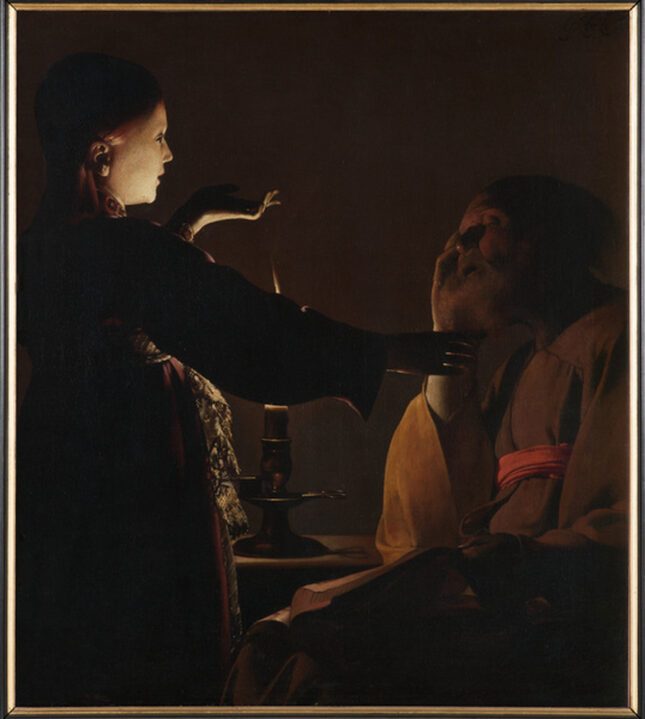 1st half 17th centuryThe Apparition of the Angel to Saint Joseph, also known as Saint Joseph's Dream
 -
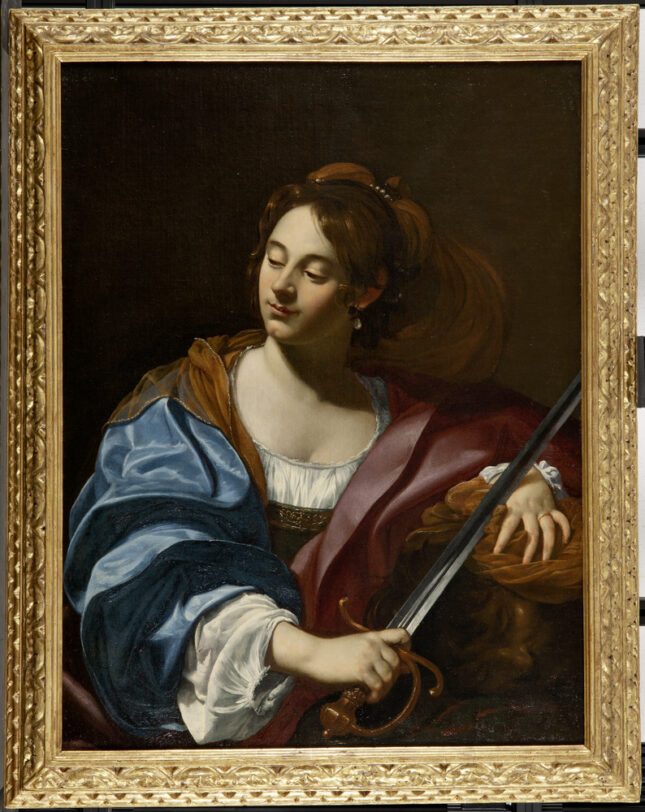 circa 1624 - 1626Judith
 -
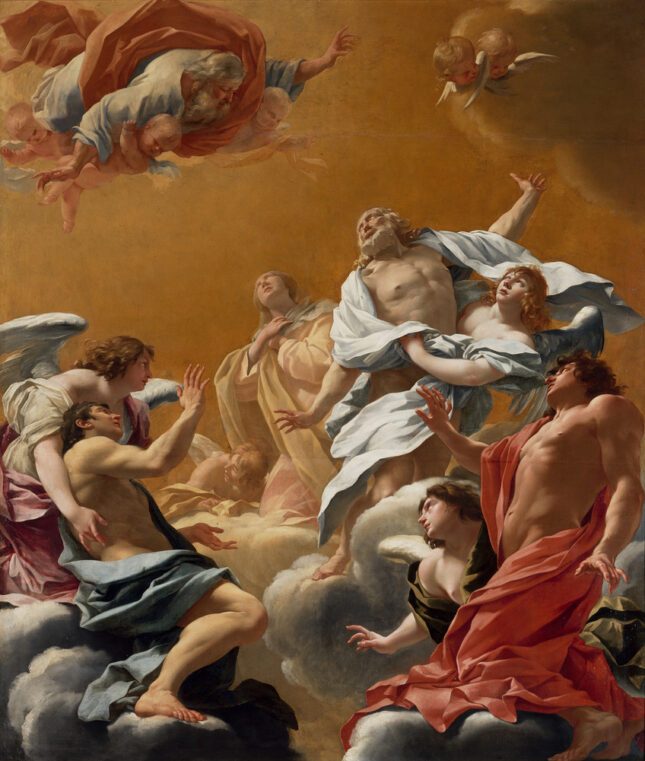 circa 1634 / 1637Saint Eustace and his family taken to heaven, also known as L'Apothéose de saint Eustache et de sa famille (The Apotheosis of Saint Eustace and his family)
 -
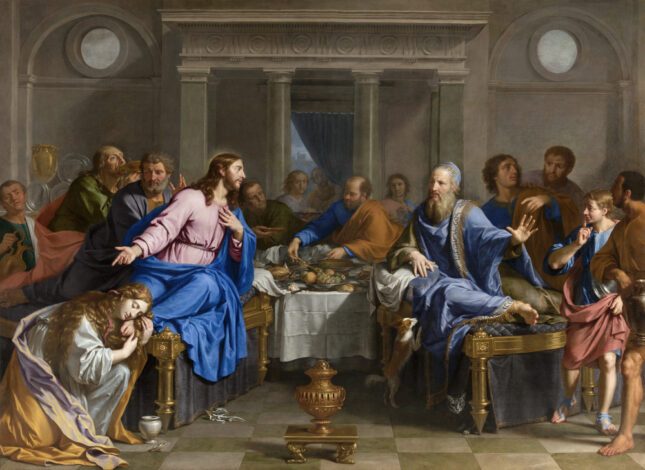 circa 1656The meal at Simon the Pharisee's
 -
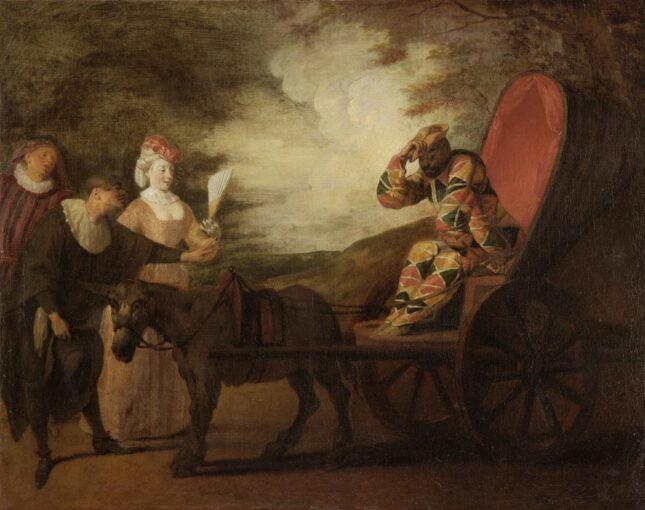 circa 1707 - 1708Harlequin Emperor in the moon
 -
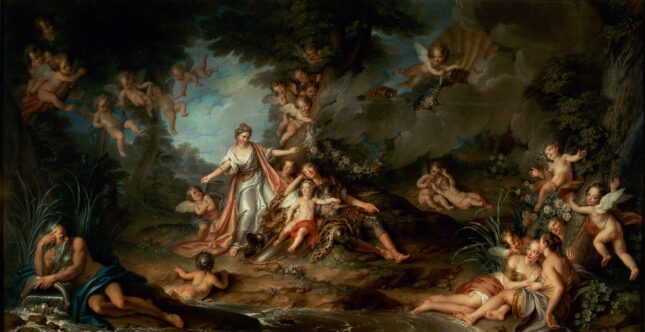 circa 1741Renaud's sleep
 -
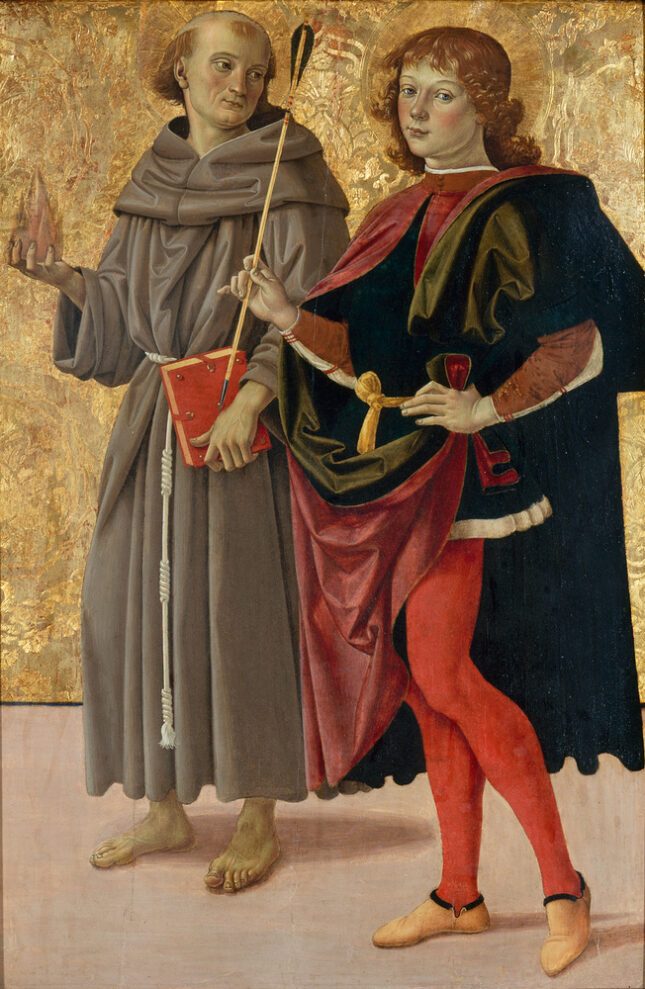 s.d.Saint Sebastian and a Franciscan saint
-
-
On video
Women artists : Marie-Geneviève Bouliard
Video series on the museum's women artists.
March 2021
Carte blanche with the curators: Adeline Collange-Perugi - Gysbrecht Leytens
Video produced for the Advent Calendar 2020, as part of #Culturecheznous.
December 2020
Resonances of a collection: ancient art
Sensory presentation of the museum's ancient art collection as part of #Culturecheznous.
April 2020


Permanent collections
The collections of the Musée d'arts de Nantes have been built up over time, notably through the acquisition of works by living artists. Purchased on the art market, donated or bequeathed, the collections today comprise over 14,000 works in four categories: ancient art, 19th century, modern art and contemporary art.