





-
The exhibition
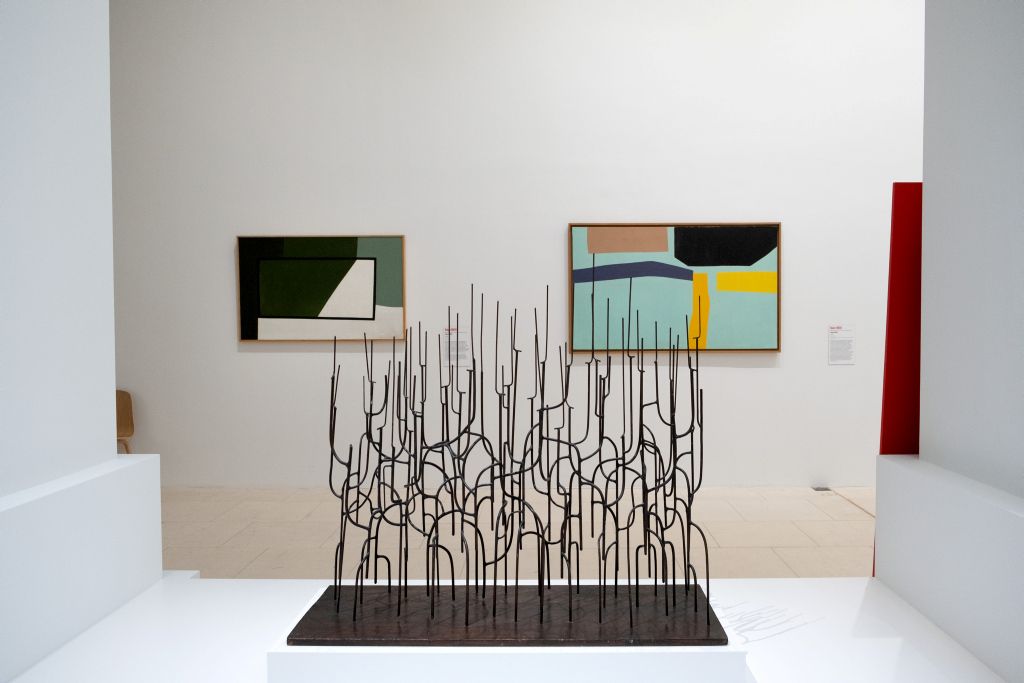
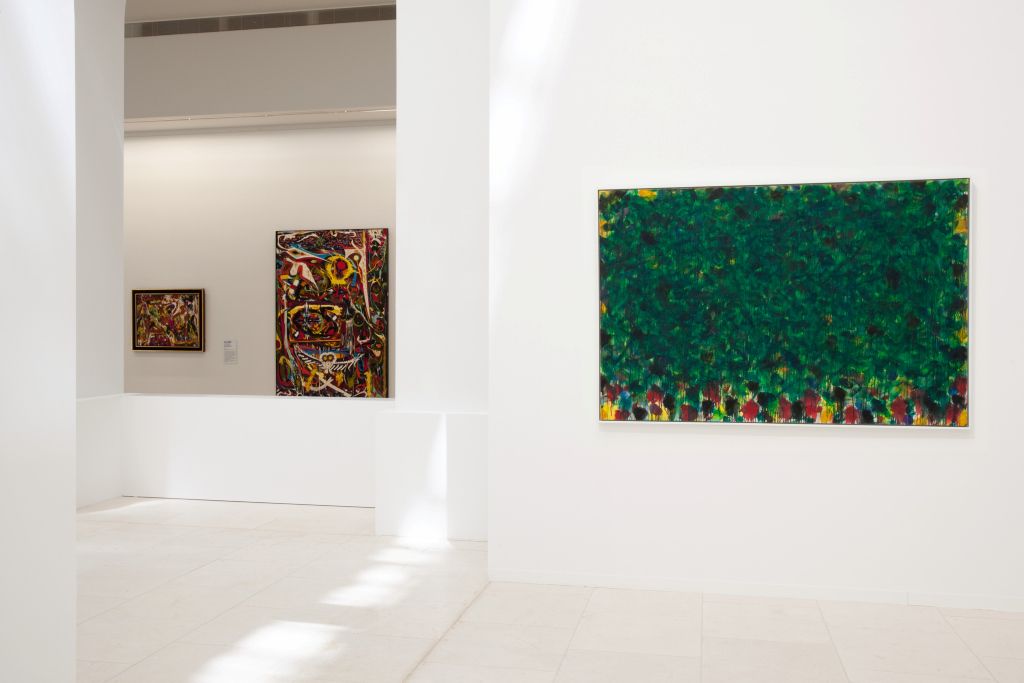
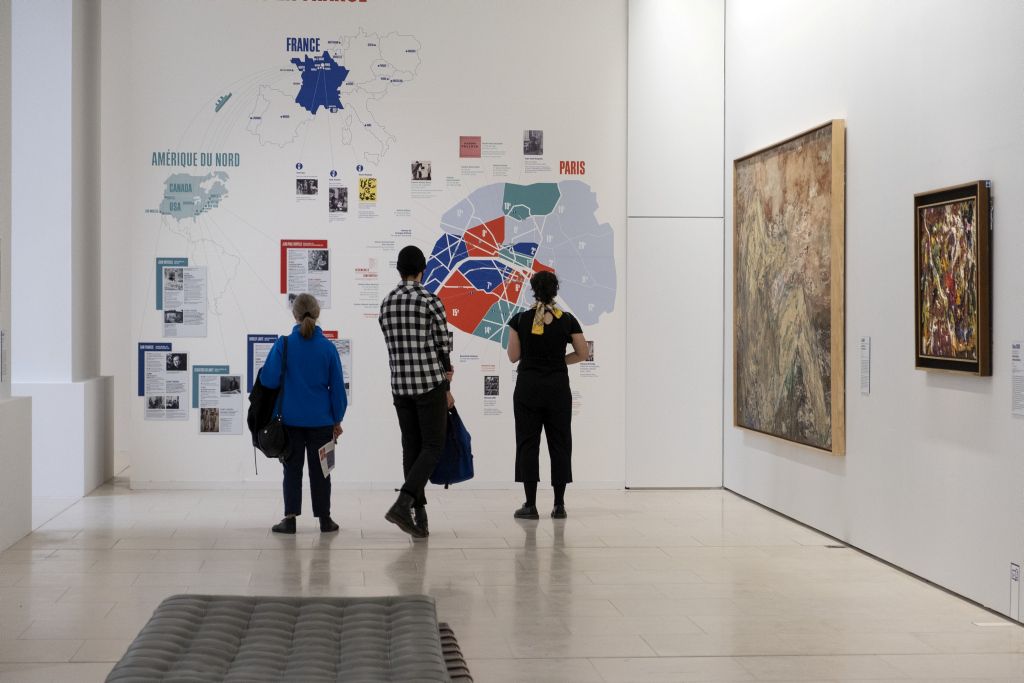
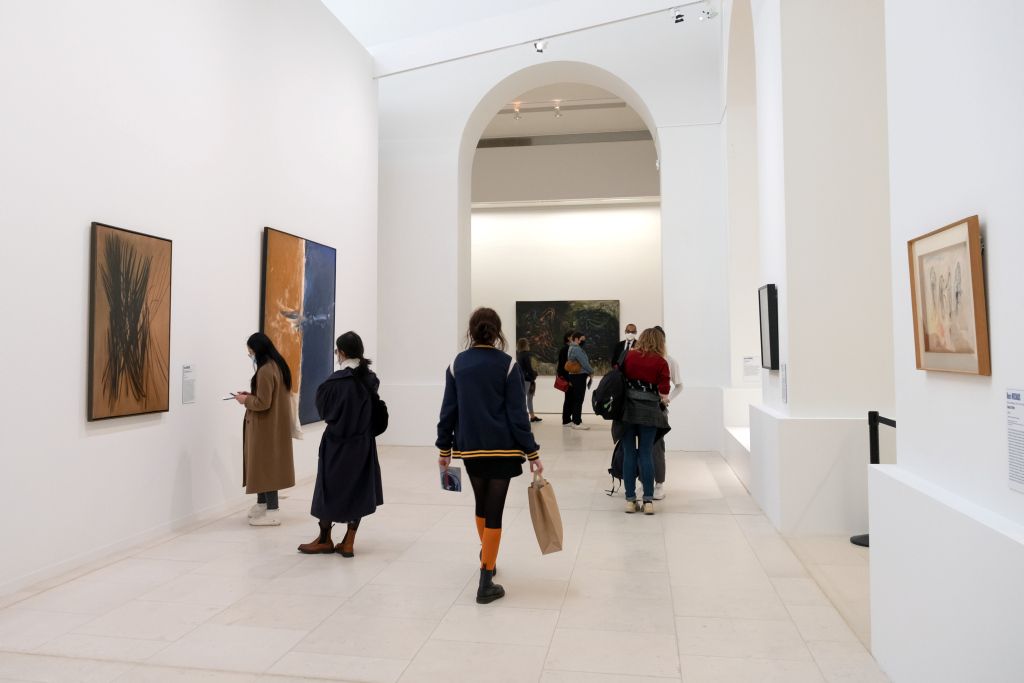
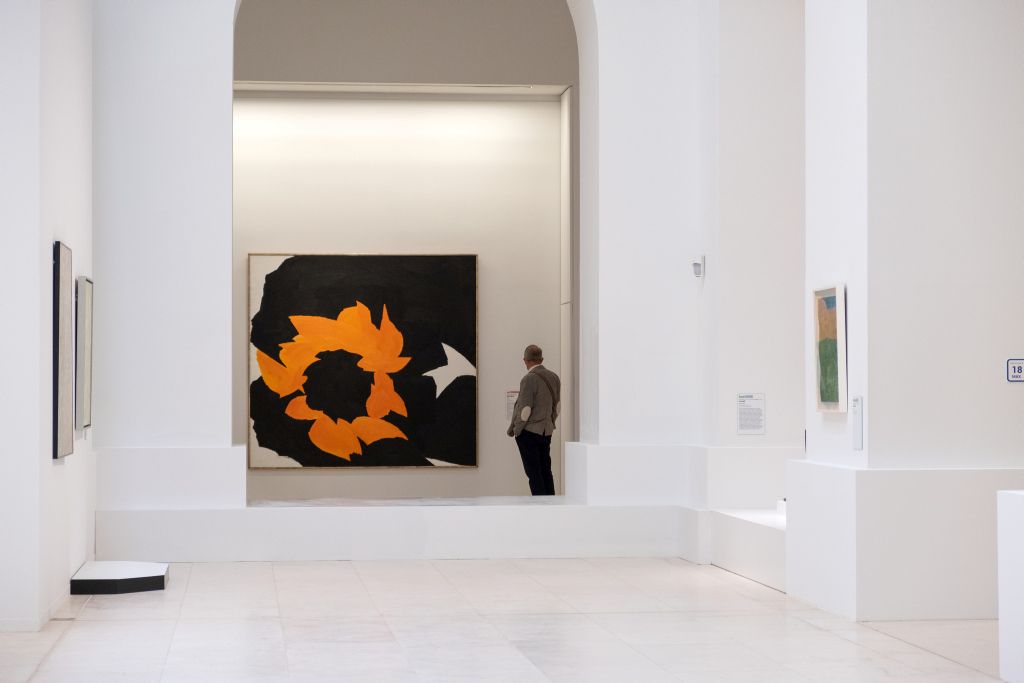
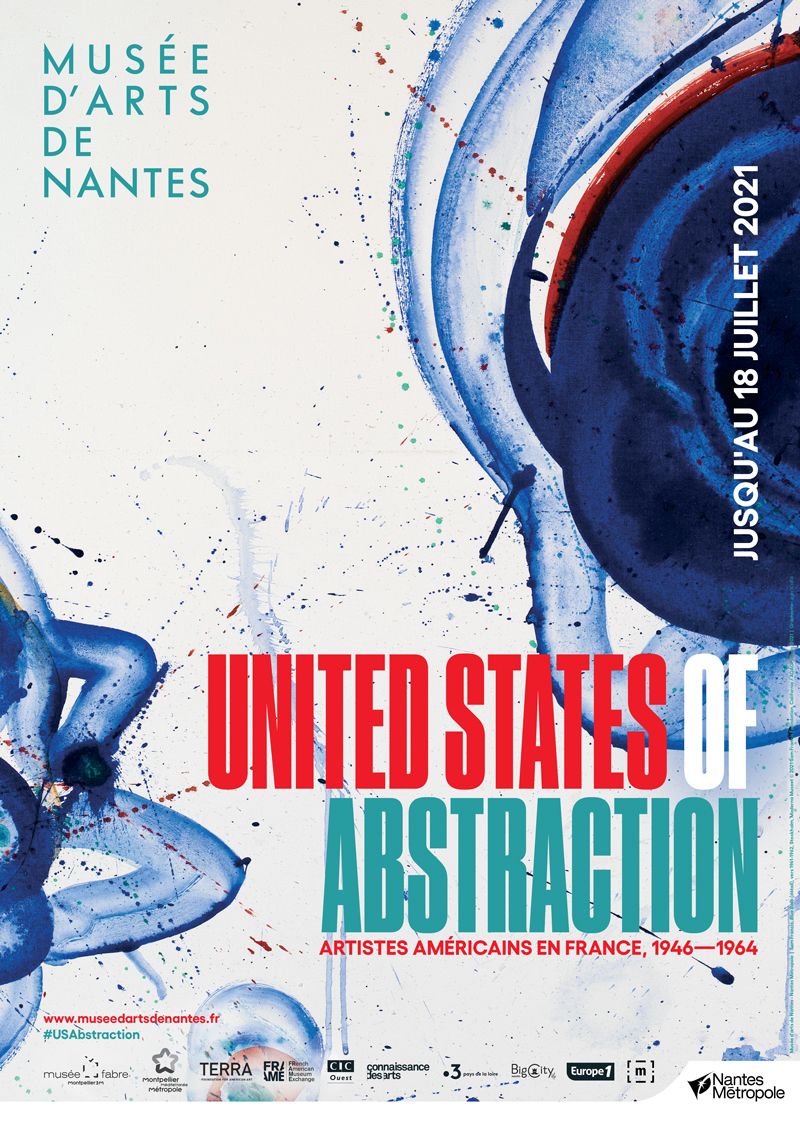
Paris is generally considered to have lost its status as the art capital of the world after the Second World War, to the benefit of New York. Yet from the end of the war, many artists, musicians and writers came to study and create in France. The exhibition explores the intense presence of these American artists and how they helped redefine abstract art in France, at a time when the global geography of art was being turned upside down.
The story of Abstract Expressionism, the New York School, and its heroes, Jackson Pollock and Willem De Kooning among others, became the dominant art narrative of 1945.
Nevertheless, many American artists, musicians and writers, both men and women, came to study and create in France. Between 1946 and 1953, many of them benefited from the G.I. Bill, a grant enabling veterans to finance their studies by enrolling in Parisian art schools and academies.
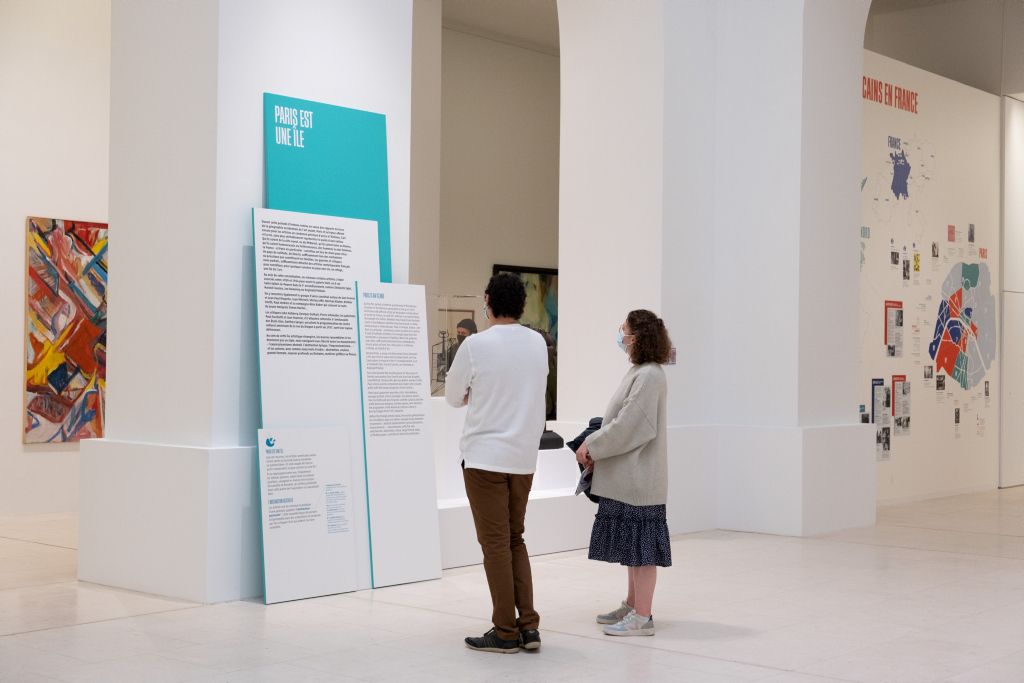
More than 400 artists are galvanized by the cultural appeal of Paris, its museums and masters, the lure of Europe, the possibility of creating without real constraint thanks to the grant, the search for greater freedom, the desire to be elsewhere, to be in Paris as on an island.
The exhibition is organized into three chapters:
1. The others of "other art": Michel Tapié and American art
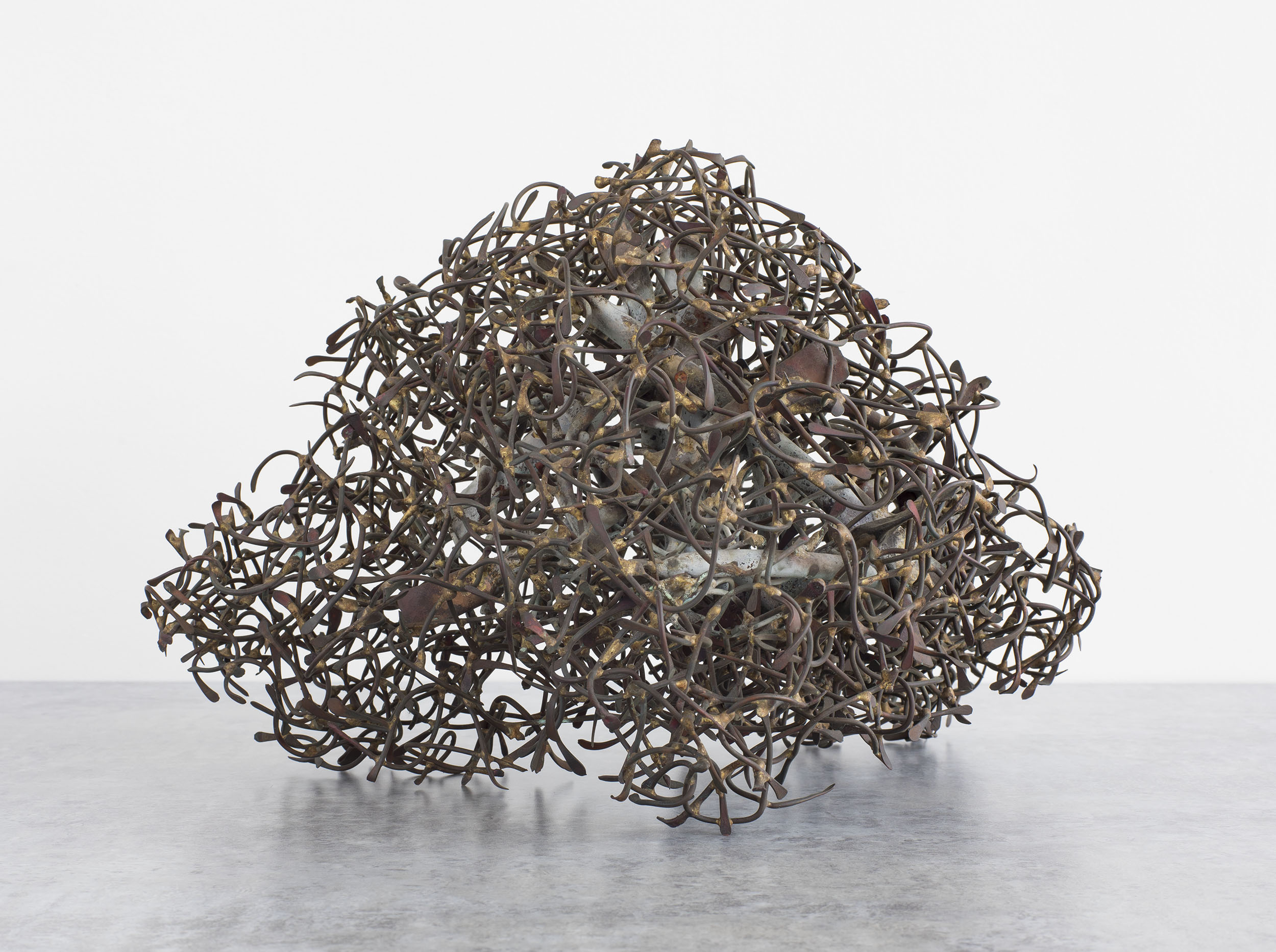
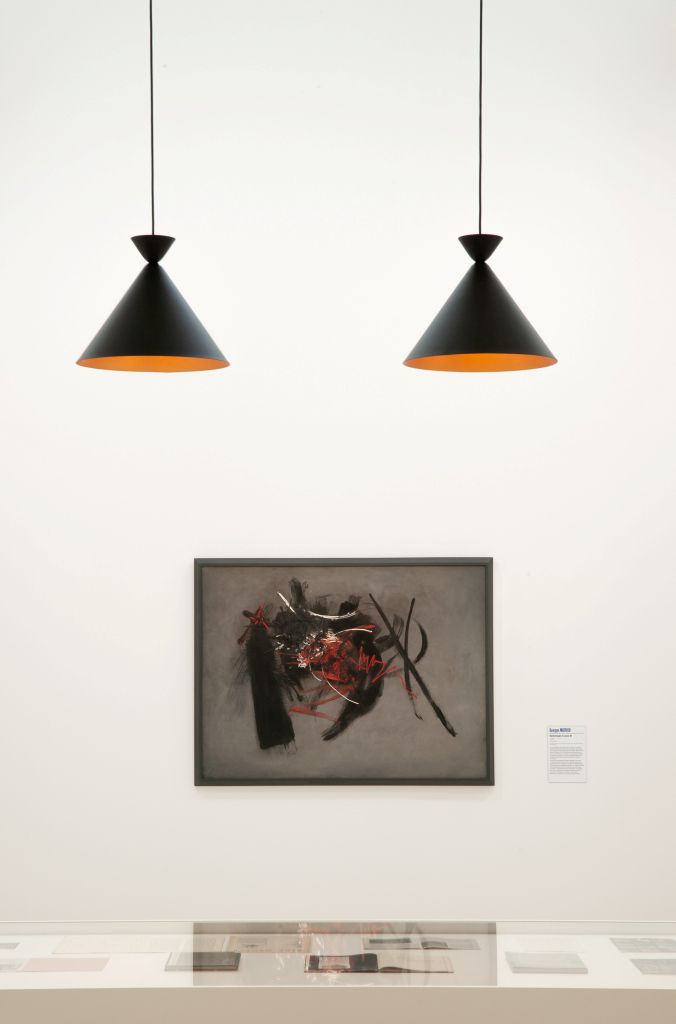
The first section examines works brought together by critic Michel Tapié, whether in group exhibitions or in publications from the first half of the 1950s. These events represent an exciting attempt to bring together a series of abstract works outside of national considerations, but around the ideas of expressivity, gestural or automatic abstract painting. A number of American painters, including Mark Tobey, Claire Falkenstein and Alfonso Ossorio, are associated with this project, and linked with Wols, Jean Dubuffet, Georges Mathieu and Jean Paul Riopelle.
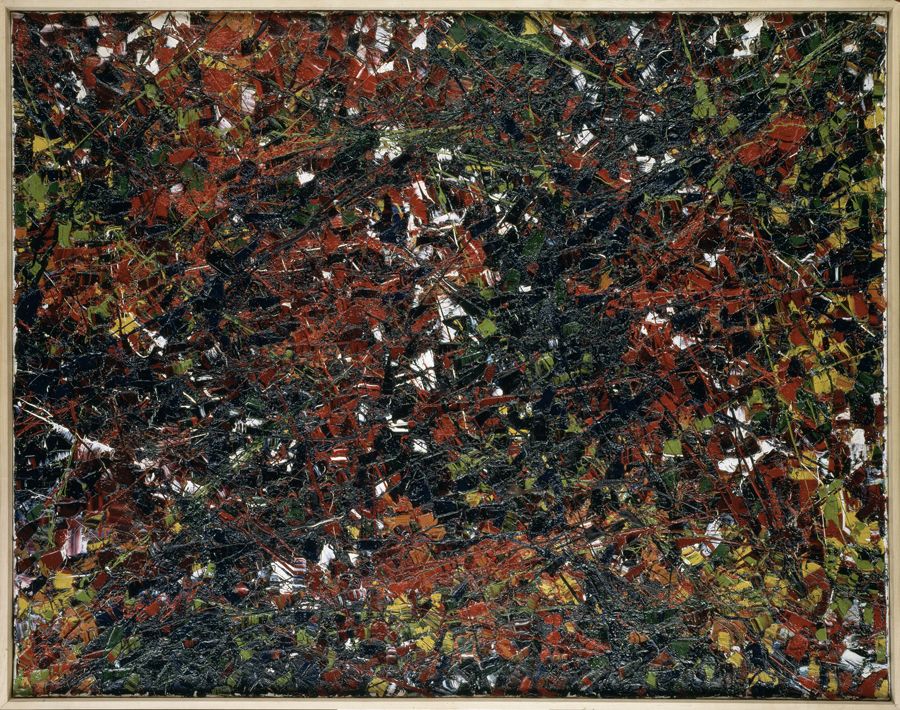
Jean Paul Riopelle, Untitled (1953.026H.1953), 1953. Rennes, Musée des Beaux-Arts © MBA, Rennes, Dist.-RMN-Grand Palais/Louis Deschamps © ADAGP, Paris, 2020 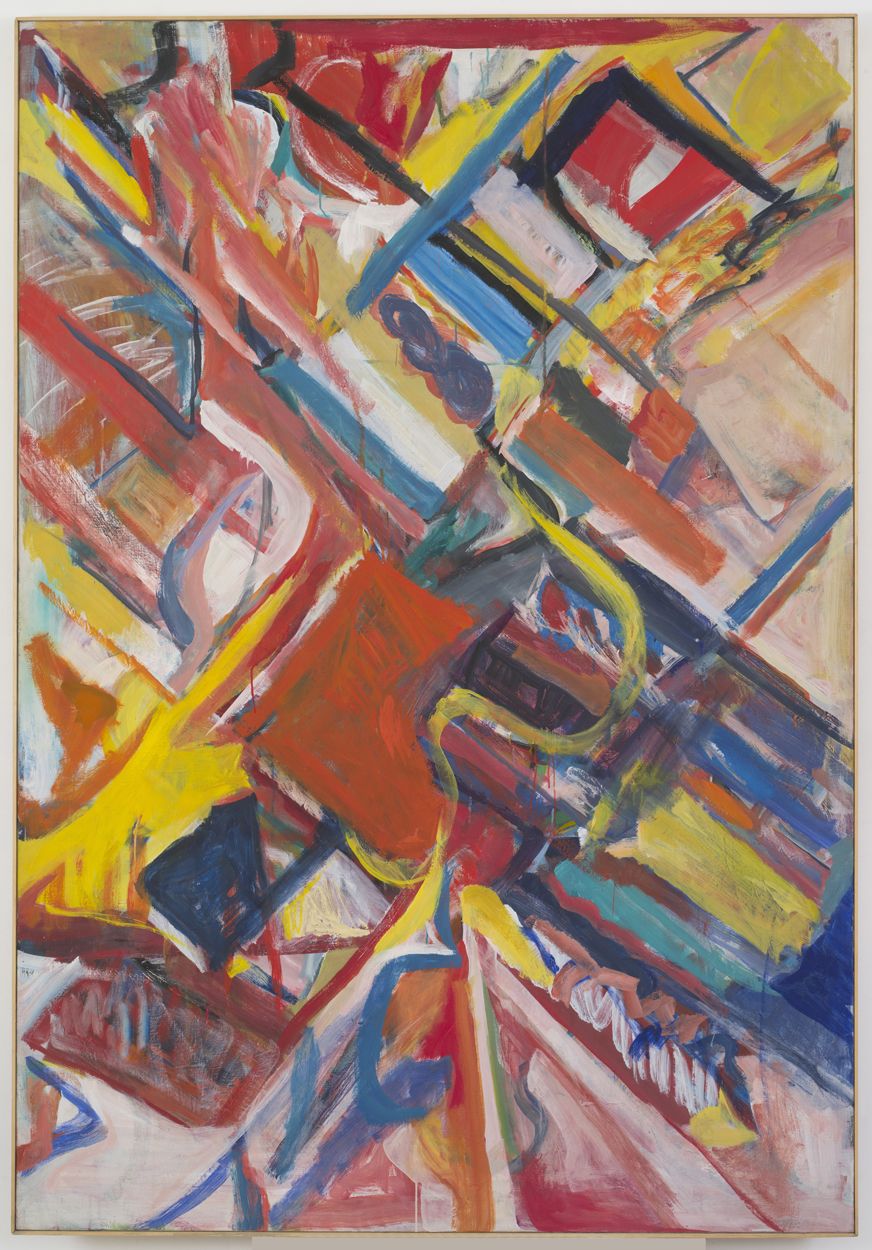
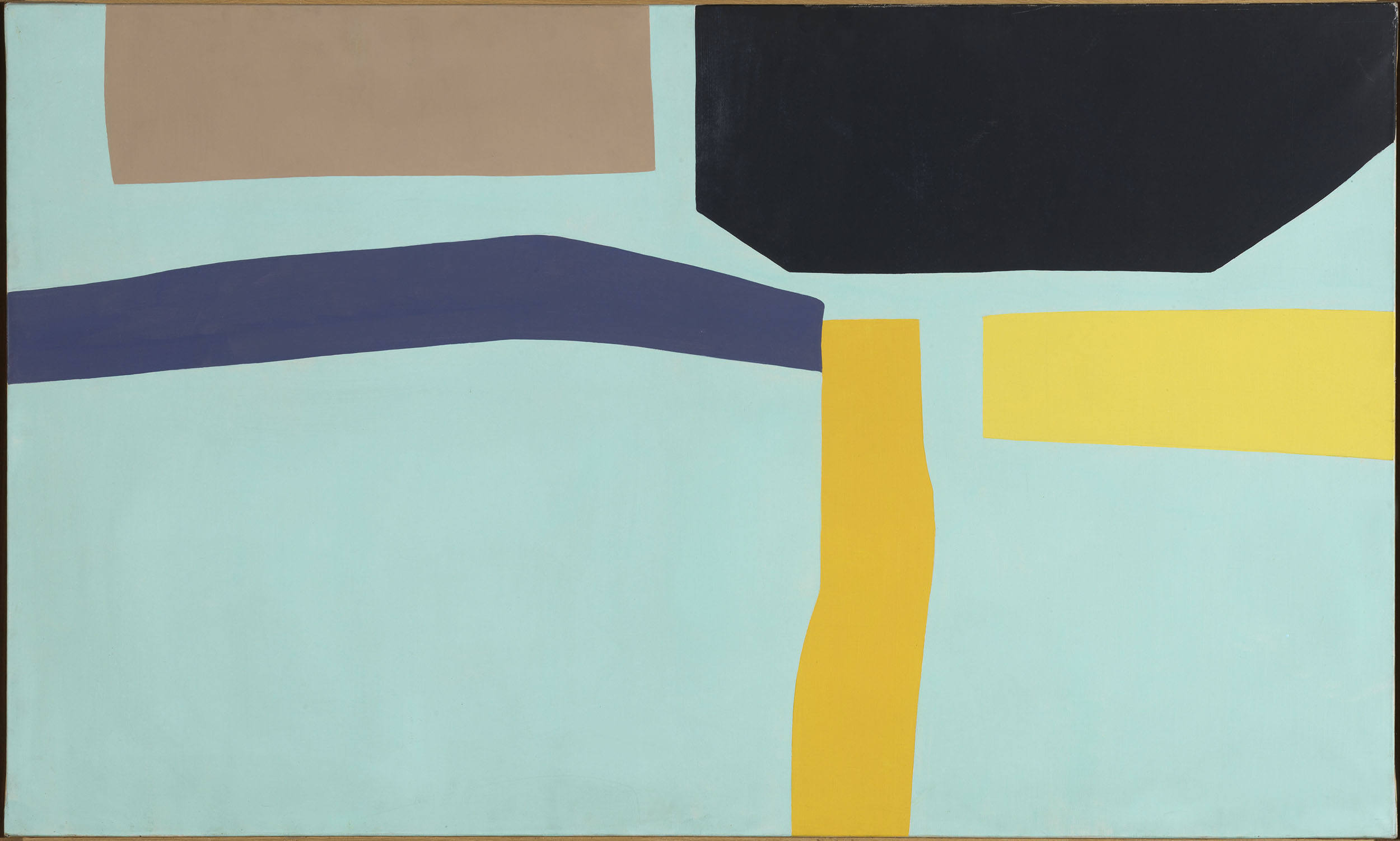
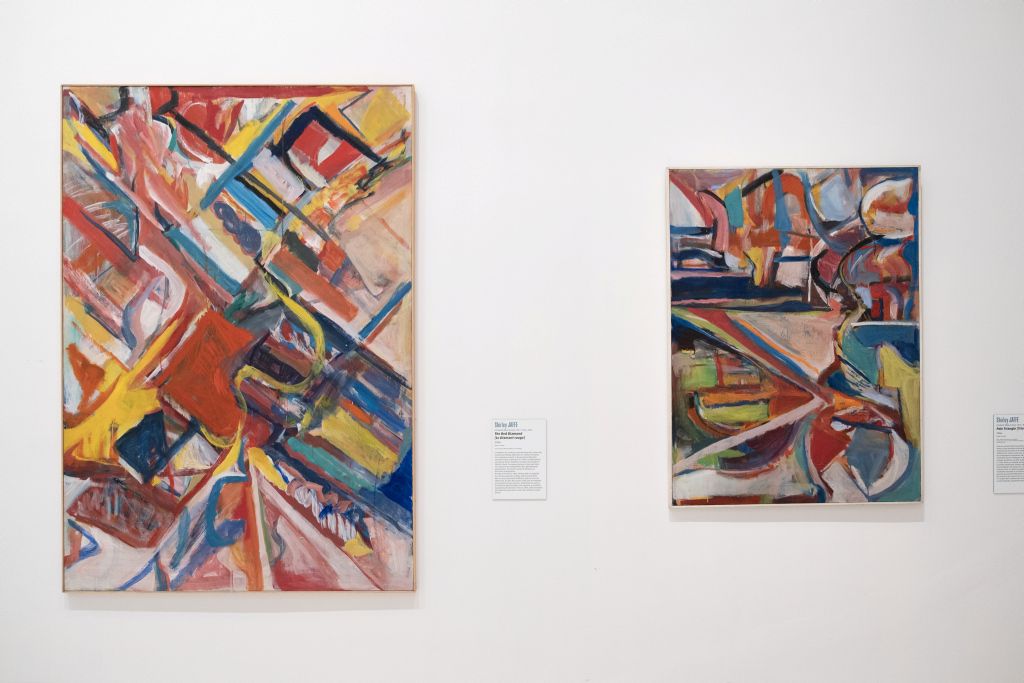
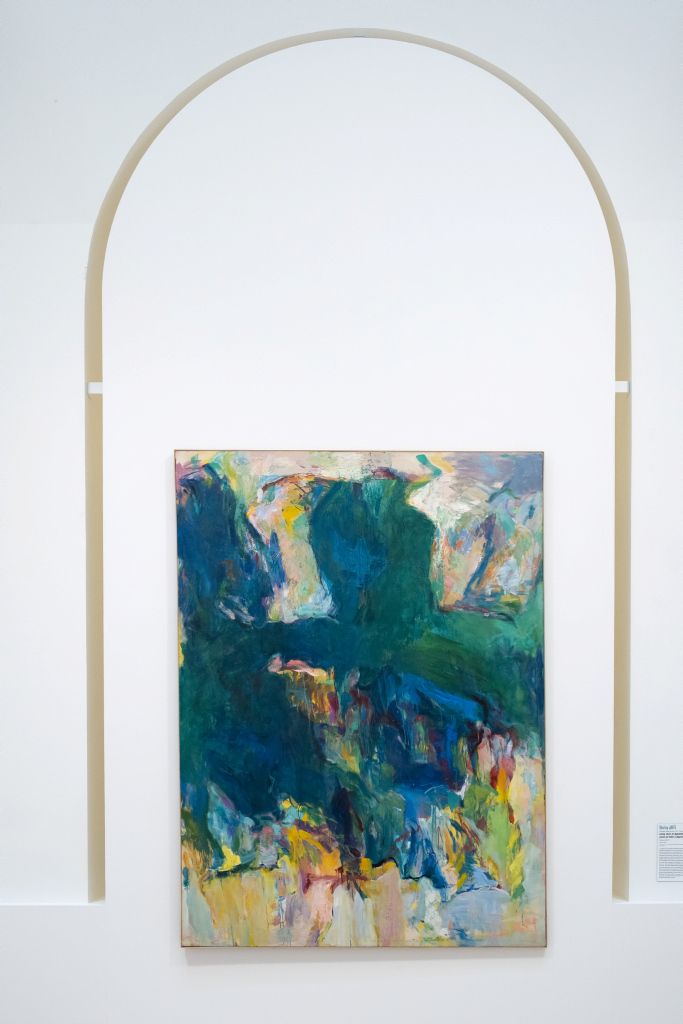
Shirley Jaffe, The Red Diamond, 1964. Courtesy Shirley Jaffe Estate and Galerie Nathalie Obadia, Paris/Bruxelles © Bertrand Huet / tutti image © ADAGP, Paris, 2021 2. Paris is an island
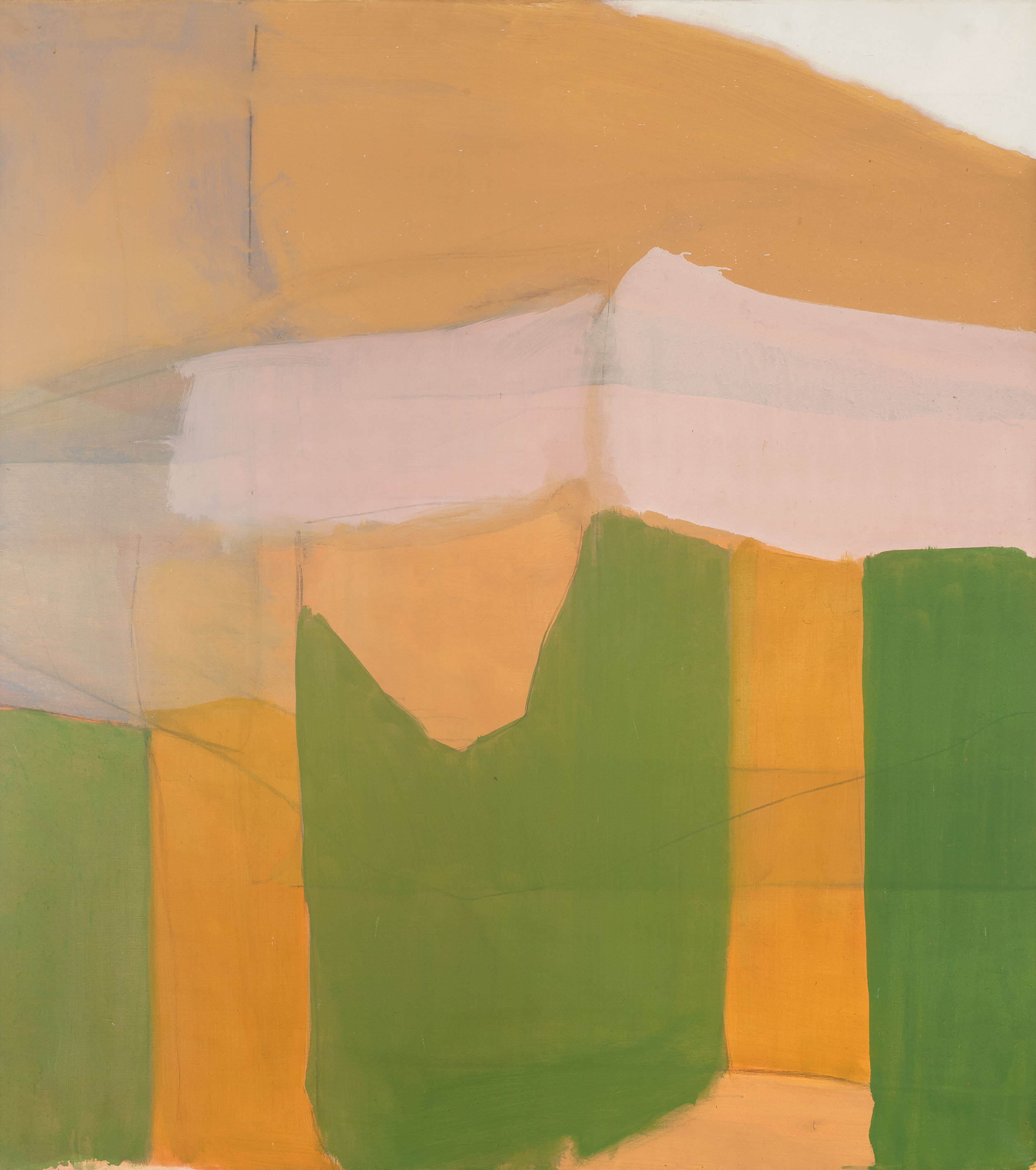
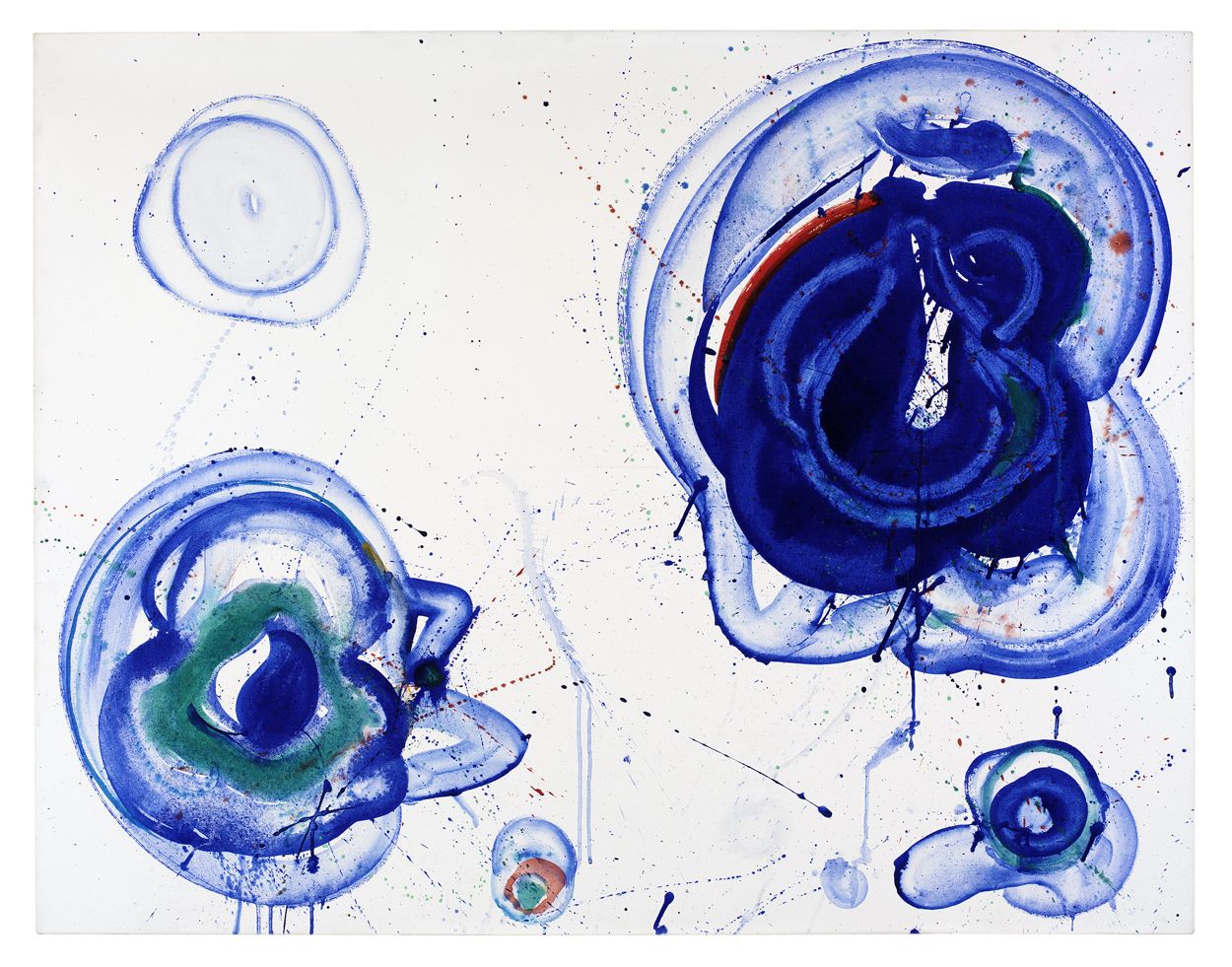
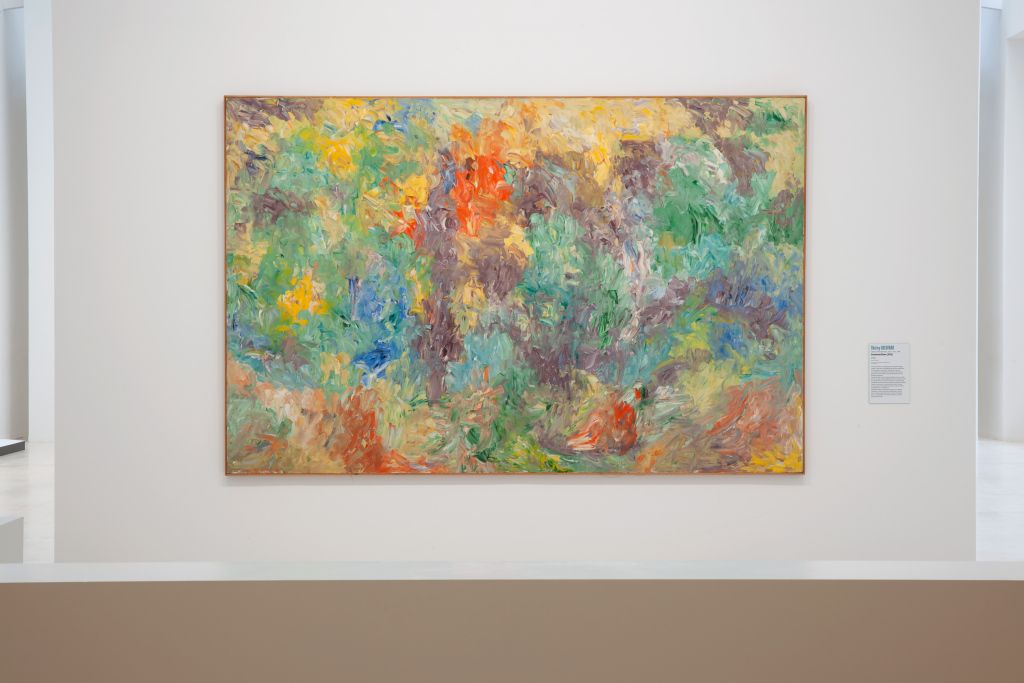
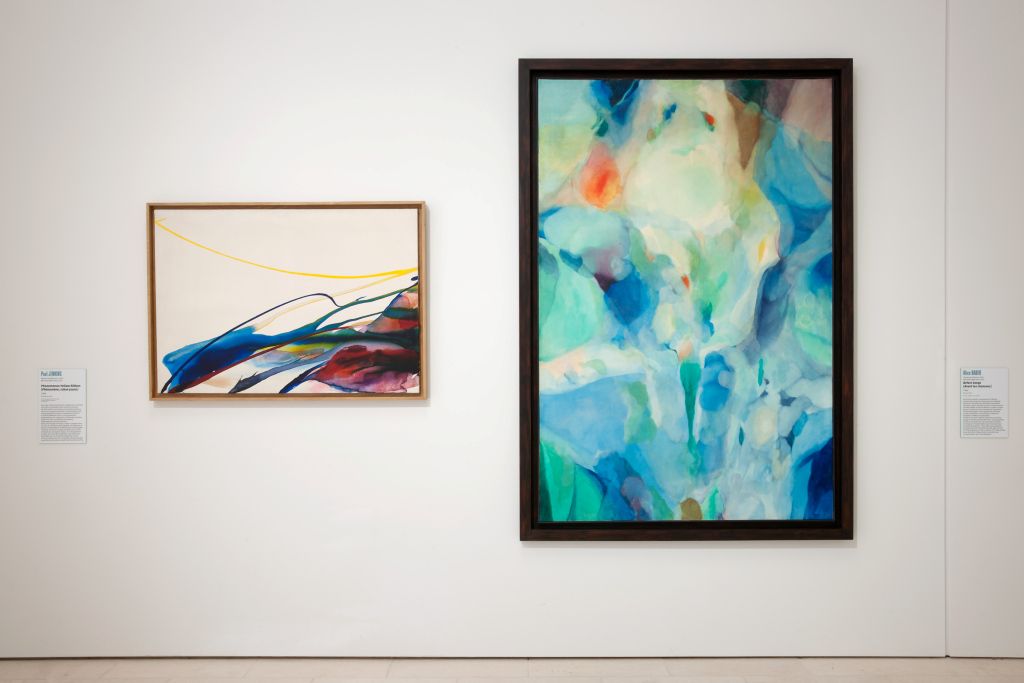
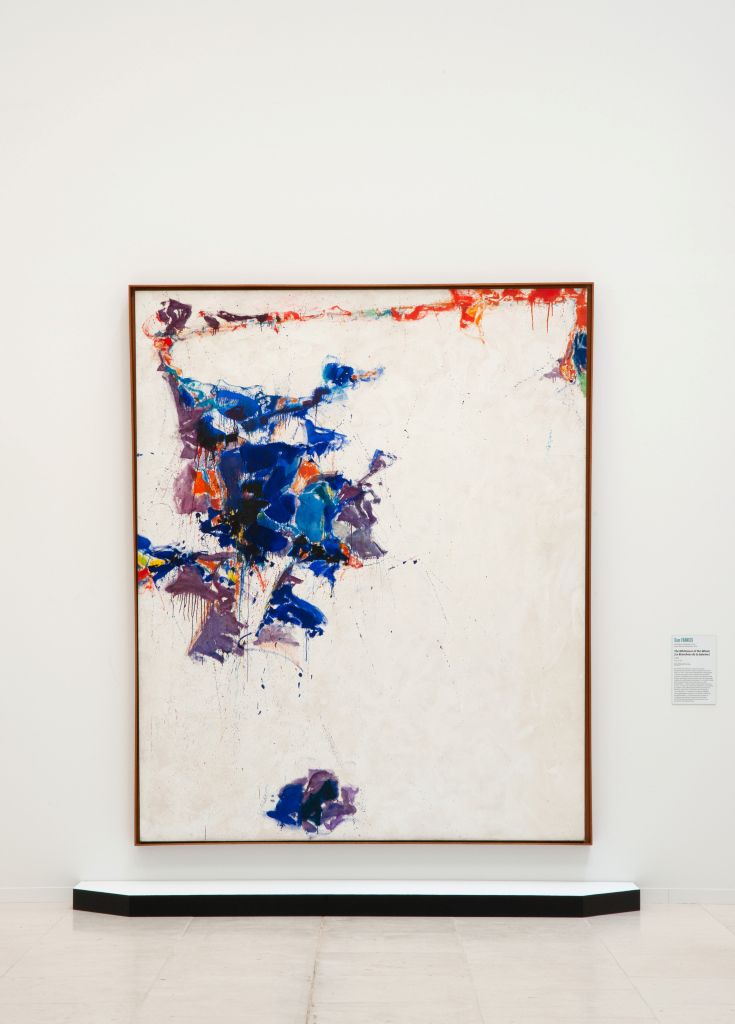
The second chapter brings together a number of abstract colorists, such as Sam Francis, Joan Mitchell and Shirley Jaffe, as well as Kimber Smith, Norman Bluhm and Beauford Delaney, who found France a place of freedom and creativity, without, however, establishing strong links with the artists of the lyrical abstraction group, with the exception of Canadian painter Jean Paul Riopelle. They claimed a form of solitude, using the French capital as a stimulating, yet strangely stateless, place for creation. What their works have in common is their floating, large-scale, intensely colored forms.
3. Randomness, modularity and movement: the revival of geometric abstraction
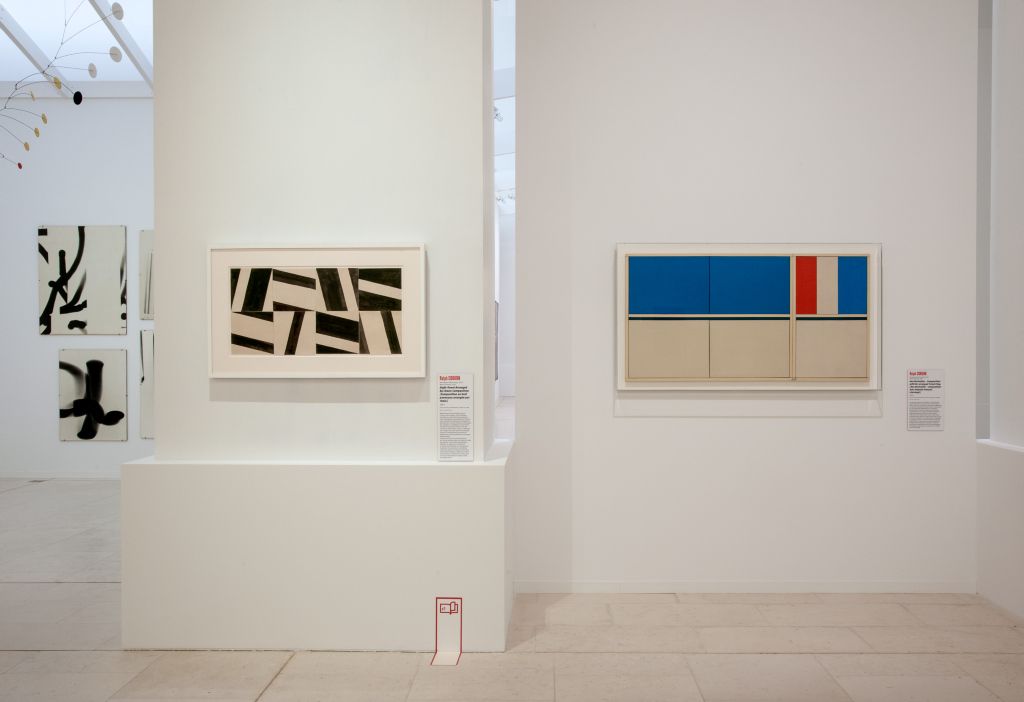
The final chapter examines how artists such as Ellsworth Kelly, Ralph Coburn, Jack Youngerman and Robert Breer, in conjunction with their predecessors Jean Arp and Alexander Calder and their contemporaries François Morellet, profoundly renewed geometric abstraction in post-war Paris.
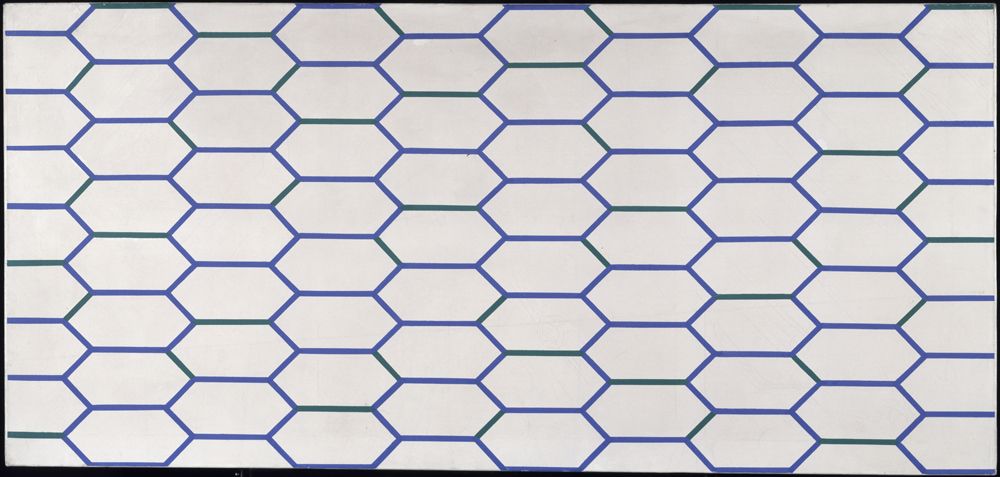
François Morellet, Hexagons à côtés bleus et verts, 1953. Paris, Musée national d'art moderne © Centre Pompidou, MNAM-CCI, Dist. RMN-Grand-Palais / image Centre Pompidou, MNAM-CCI © ADAGP, Paris, 2020 -
In photos
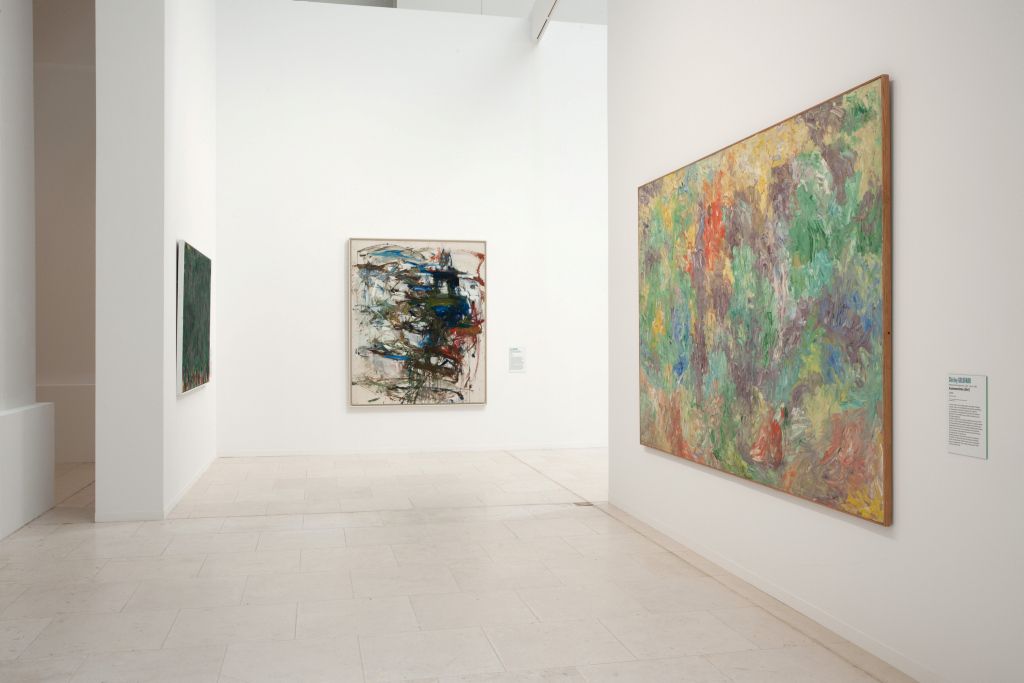
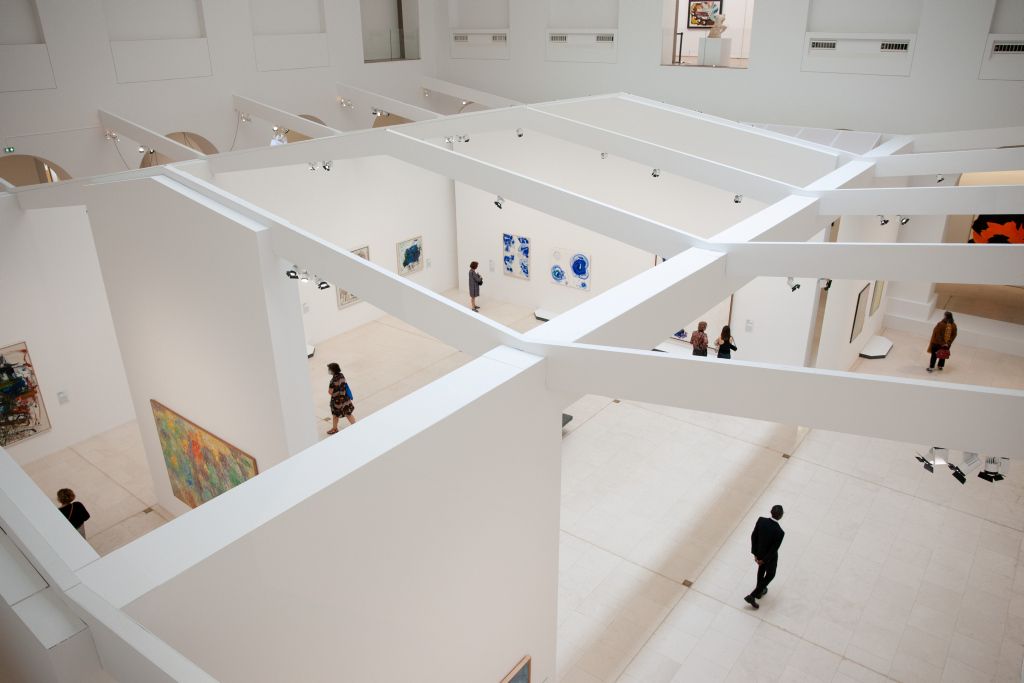
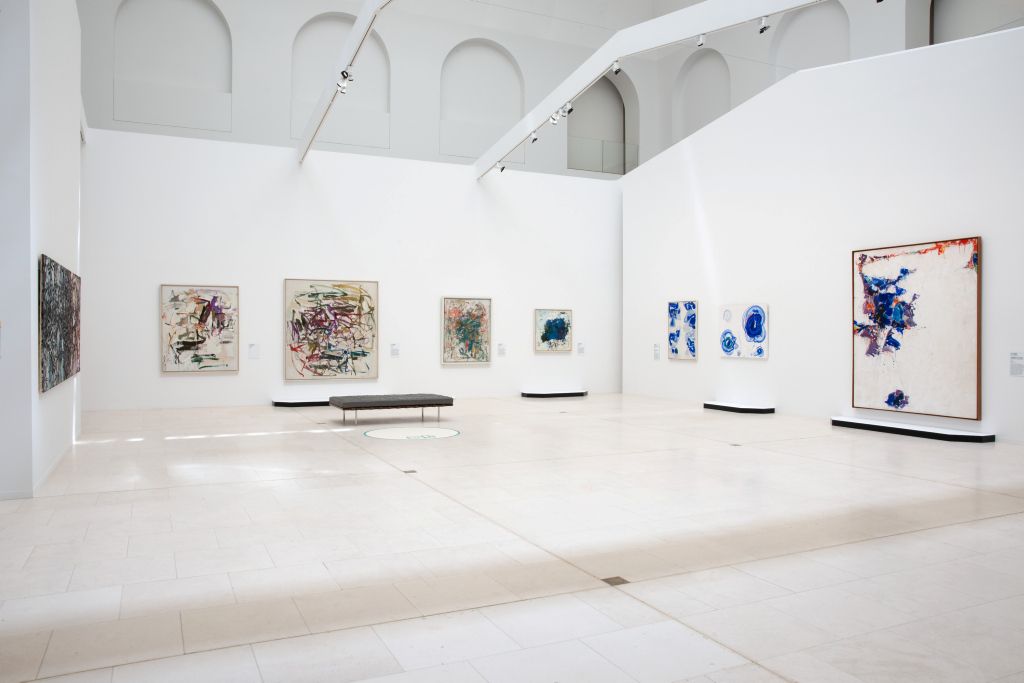
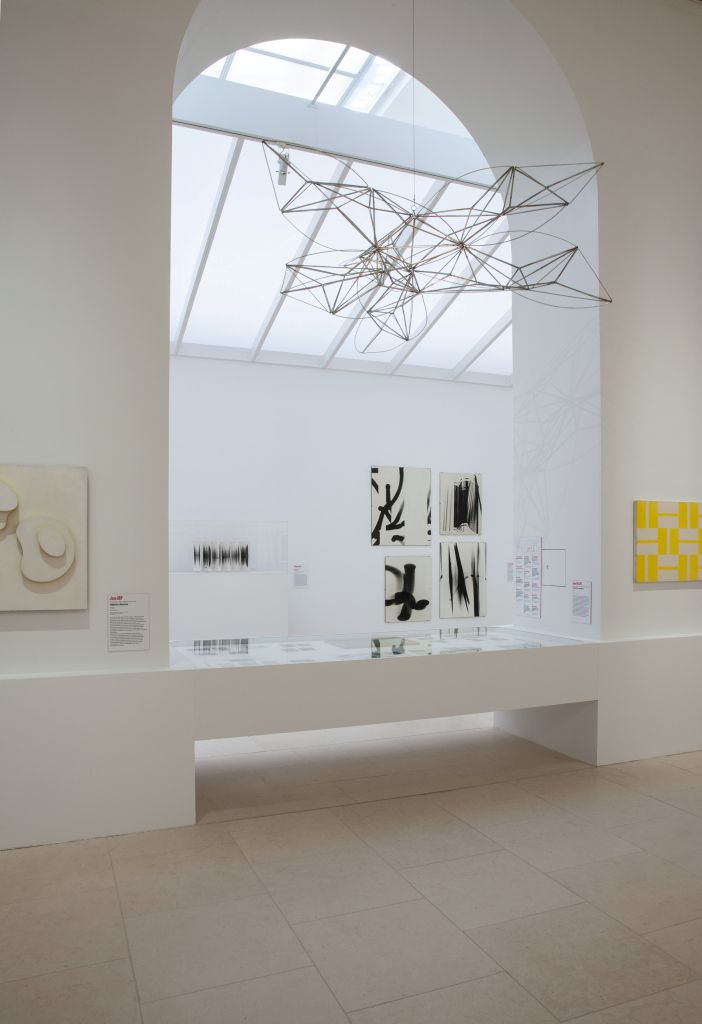
-
On video
Exhibition stories
At the heart of the sections of the exhibition United States of Abstraction. American Artists in France, 1946-1964, with its 3 curators: Maud Marron-Wojewodzki, Sophie Lévy and Claire Lebossé.
Maud Marron-Wojewodzki

Sophie Lévy

Claire Lebossé

-
In podcasts
At the heart of history, with Jean des Cars
Immerse yourself in the exhibition United States of Abstraction. American Artists in France, 1946-1964 with the podcast series "Au cœur de l'Histoire".
Four episodes to listen to, with the voice of Jean des Cars. -
Art workshop
An art workshop for young and old around the exhibition United States of Abstraction. American Artists in France, 1946-1964to make at home.
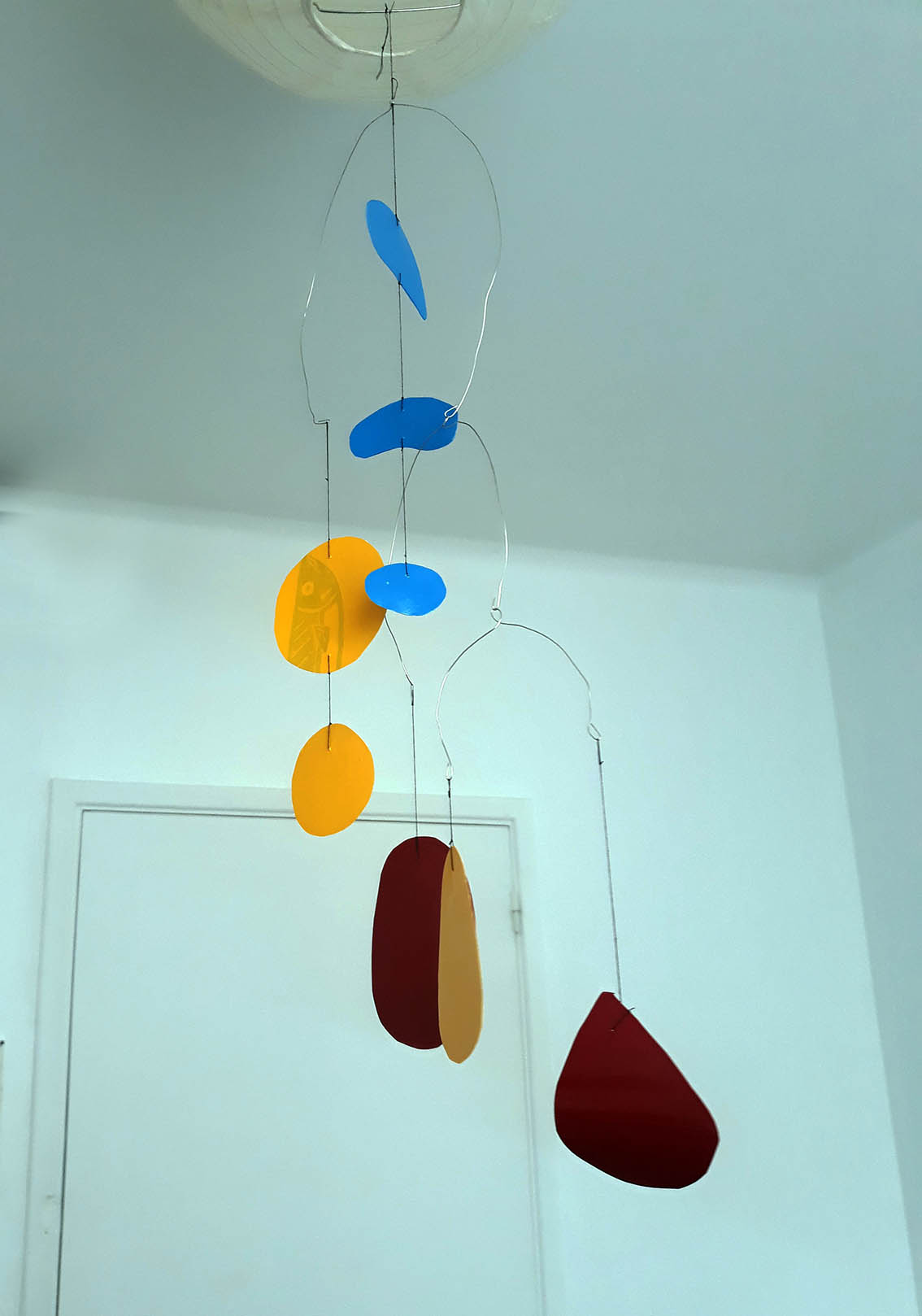
In Motion" workshop
Or how to make a mobile.
Composed of metal rods and colored shapes, this sculpture comes to life before the viewer's eyes. A visit to Piet Mondrian's studio in 1930 inspired Alexander Calder to create abstract works. He created his first mobiles from wood, wire, sheet metal and recycled materials, which he forged himself. Presented in the exhibition United States of Abstraction. American Artists in France, 1946-1964, this mobile from 1949 comes to life at random in the air. The artist overturns the classical vision of sculpture by proposing an aerial, fragile and moving installation.
In the style of Alexander Calder, create a mobile at home!
-
Catalog and books about the exhibition
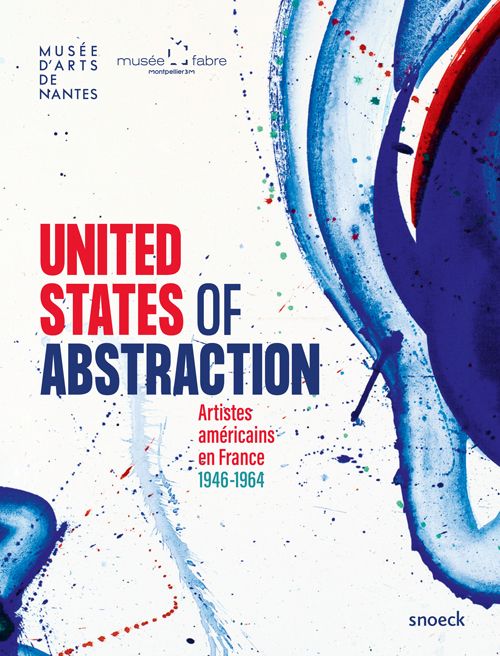
Catalog cover for the exhibition United States of Abstraction. American Artists in France, 1946-1964 presented from May 19 to July 18, 2021 © Musée d'arts de Nantes, photo. Photo : C. Clos This catalog is published on the occasion of the exhibition United States of Abstraction. American Artists in France, 1946-1964 presented at the Musée d'arts de Nantes from May 19 to July 18, 2022.
Available for consultation at the museum library, and on sale at the museum bookshop-boutique.
Books selected by the museum library
The museum library has prepared a selection of books on the United States of Abstraction exhibition. You can consult them at the library by appointment.

General curator:
Michel Hilaire, general curator, director, Musée Fabre.
Sophie Lévy, curatorial director, Musée d'arts de Nantes.
Scientific curator:
Claire Lebossé, curator, head of modern art collections, Musée d'arts de Nantes.
Sophie Lévy, curatorial director, Musée d'arts de Nantes.
Maud Marron-Wojewodzki, curator, head of the mid-19th-21st department, Musée Fabre.
This exhibition is organized in collaboration with the Fabre Museum of Montpellier Méditerranée Métropole, which will host it from August 6 to October 31, 2021.
The museum would like to thank L'État - Ministère de la Culture - DRAC des Pays de la Loire for subsidizing the exhibition.
The exhibition is supported by the Terra Foundation for American Art and FRench American Museum Exchange (FRAME), to whom the museum extends its warmest thanks.
The museum also thanks CIC Ouest for its presence and generous support.
The Musée d'arts de Nantes thanks its media partners.
Legend and credits
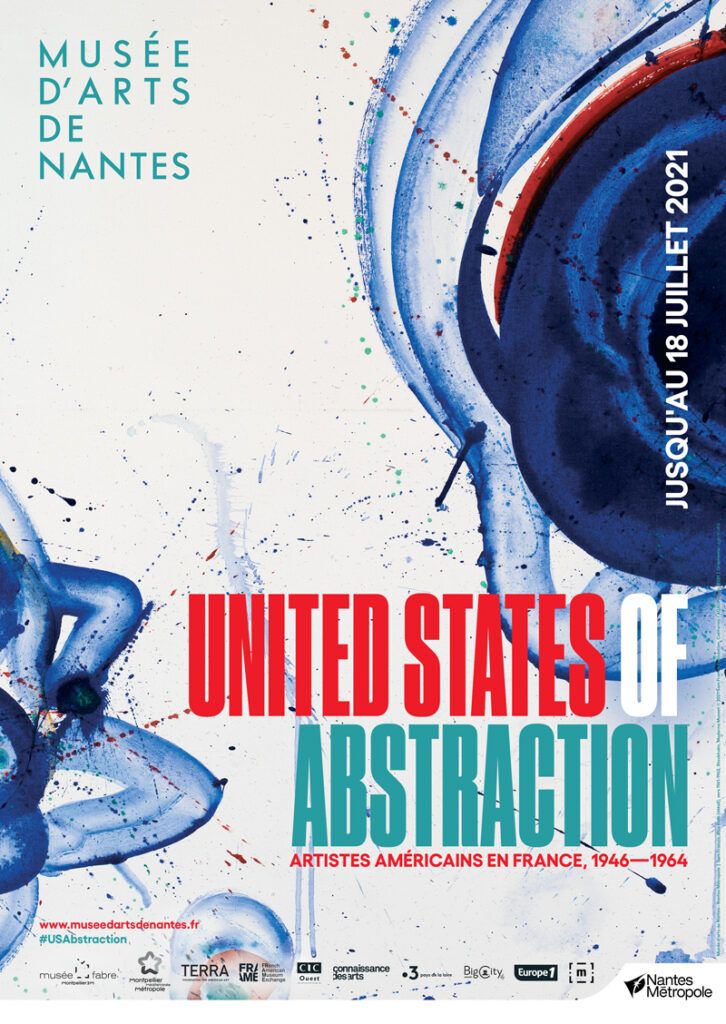
Sam Francis, Blue Balls, ca. 1961-1962, oil on canvas, 106.9 x 137.5 cm, Stockholm, Moderna Museet © 2020 Sam Francis Foundation, California / ADAGP, Paris, 2021