
The Musée d'arts de Nantes: the great museum of Western France
Since its reopening in 2017, the Musée des beaux-arts de Nantes has become the Musée d'arts de Nantes. This change of name is by no means a whim. It is based on a bold, evolving project, founded on several key themes.
1. The presence of contemporary art in a collection spanning 9 centuries of creation.
This is a unique feature of Nantes. Since its creation, the museum has cultivated a policy of acquiring works by living artists. Since 1980, this policy has become even more pronounced, with a strong emphasis on modern and contemporary art. Indeed, more than half the collection dates from after 1900.
" In a way, all art is contemporary. When we come face to face with a work of art, it has a presence for us, here and now. Art is lived in the present.
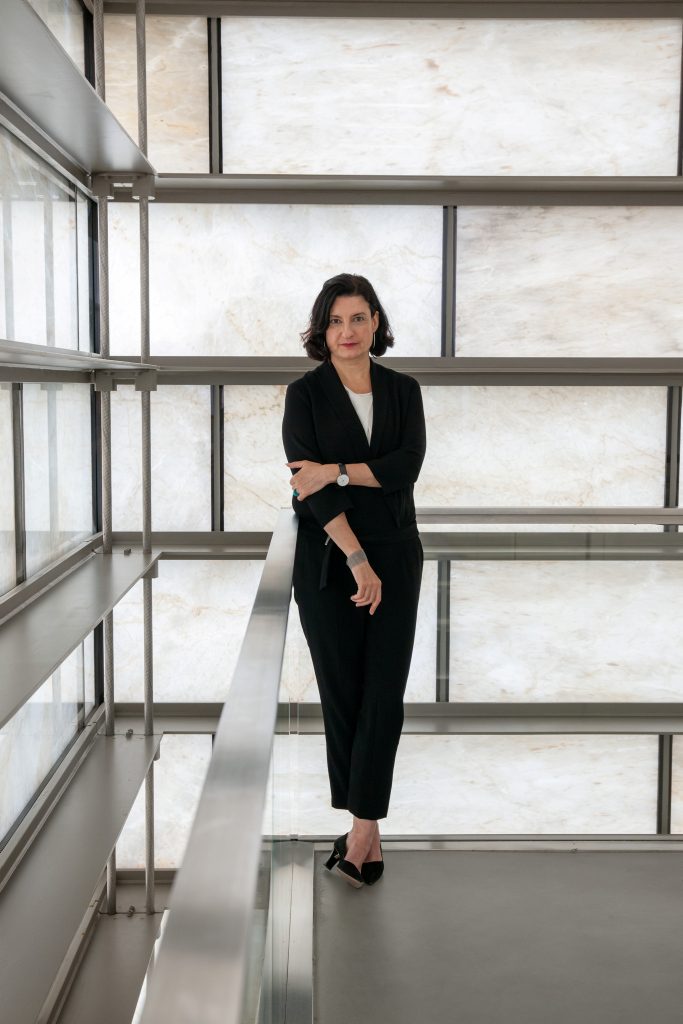
Sophie Lévy, curatorial director of the museum until the end of 2024.
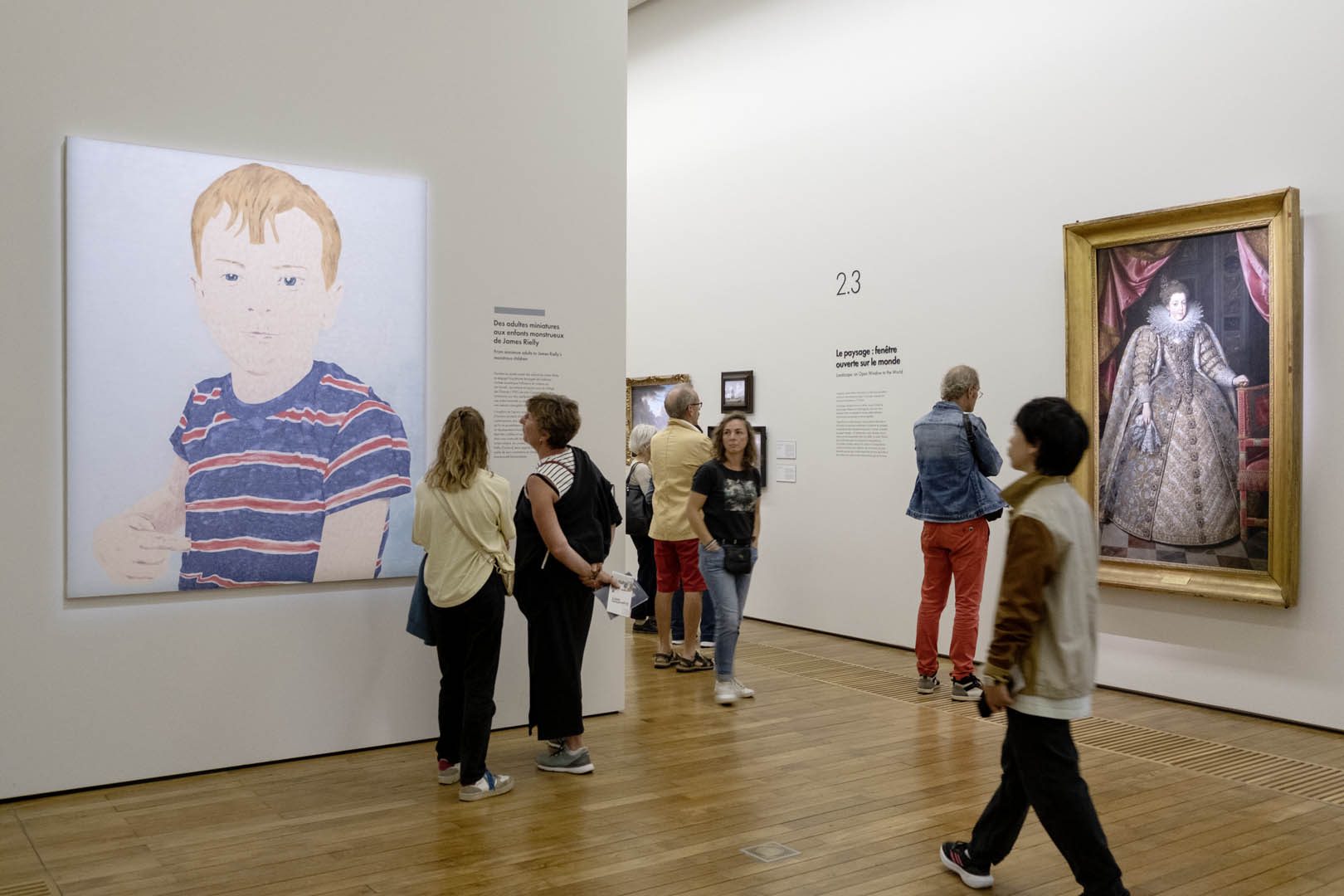
This specificity permeates every aspect of the museum: from the architectural renovation of 2011-2016, integrating spaces dedicated to contemporary art, to the programming of exhibitions and the display of collections.
The dialogue between the centuries in the exhibition, this assertive side-step, also encourages openness between artistic fields. The museum is a living place, in touch with the times. For example, particular attention is paid to the presence of works produced by women artists in the collection and programming.
"The museum is a place of pleasure. The anachronistic dimension of the display wakes us up. It allows us to let our senses speak rather than our knowledge. S.L.
2. Art and life: a certain way of thinking about exhibitions, teaching and working methods.
The museum strives to consider art in close dialogue with social phenomena.
Our teams are committed to offering accessible and demanding proposals, and are sensitive to the living dimension of art, which strives to maintain a natural relationship with visitors. The museum is an exceptional place, where aesthetics predominate, and where the experience of life can be transcended.
"Art is universal. There is no society in the world where there is no aesthetic quest and no social organization of beauty. And yet, this phenomenon has no pragmatic utility." S.L.
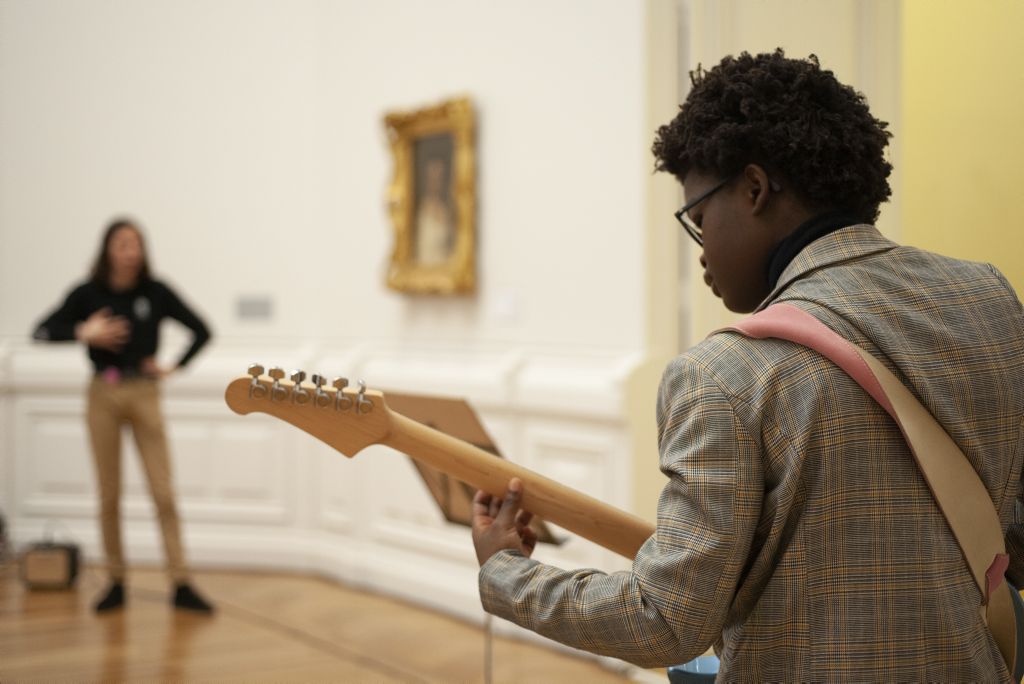
This vision requires our teams to pay particular attention to the transmission of information to the public: a simplicity and a sense of pedagogy that are increasingly asserted, between art and life.
The renewal of practices and the desire to innovate are at the heart of the museum's way of doing things. In this democratic and participatory spirit, teams and citizens alike can contribute to the institution's destiny.
"The ambition is to transform the experience of life through the museum. It's to leave having acquired an expertise that is useless but that makes you happy." S.L.
3. Spirit of place: architecture and visitor experience.
"The museum is not just a place of history. It's also a sensory place where everyone has a place and can live an intimate and universal experience." S.L.
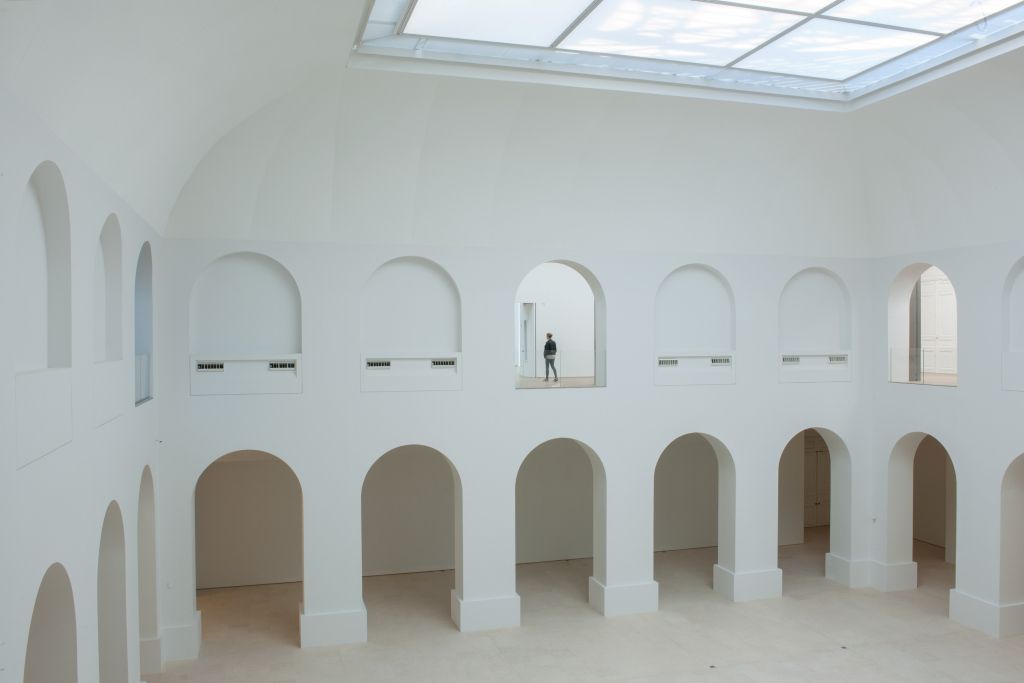
The architecture, scenography and lighting orchestrated by architects Stanton & Williams focus on the meeting of the ancient and the contemporary, on a form of gentle monumentality (natural materials, natural light) and sobriety. This spirit of place, often cited by visitors, contributes to the sensory quality of the visitor experience.
Re-hanging the permanent collections after 5 years not only keeps us on our toes, but also offers visitors a fresh, sensitive approach. This new look interacts with the building and the museographic itinerary. The themes are highlighted by room titles. Intended to provide generous reference points without being intrusive, they give pride of place to the works and to individual experience.
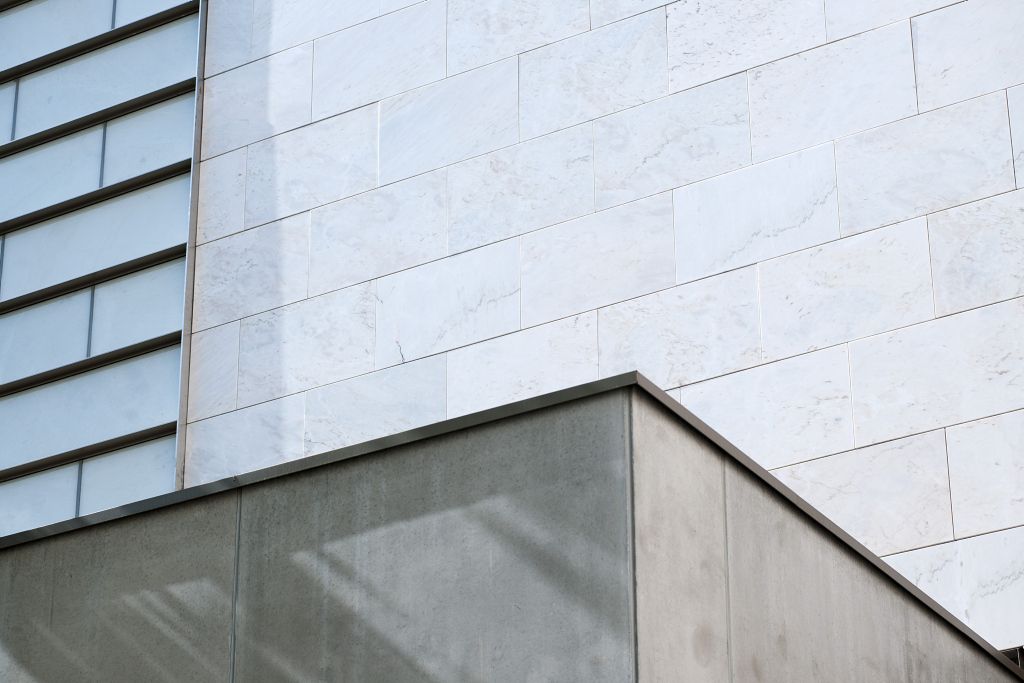
"Visitors need reference points, but without being bombarded with texts and injunctions. We need to leave room for space, light, sound... to help them make the place their own. The universal dimension of art can also be easily accessible. S.L.

Transit areas within the museum are very important to put visitors in the right frame of mind. From a lounge in the middle of the tour, where visitors can recharge their batteries both literally and figuratively, to the terrace on the forecourt of the Palais, these spaces also invite visitors to take their time in this exceptional yet convivial venue.
"Here, we try to prepare visitors for their next amorous encounter with a work of art." S.L.
4. The museum in the city, the museum turned towards the world.
"A fine art museum always has a very carnal connection with its city and its history." S.L.
Like many cultural institutions, the Musée d'arts de Nantes is a local public service. The links forged with the city's inhabitants, as well as with local players, work at all levels: accessibility, cultural programming, collections...
As a museum of everyday life, the museum's activities are strongly geared to the needs of local residents (Thursday nights, wide opening hours, tours and workshops, Students at Work, free admission for local schoolchildren, varied programming geared towards inclusion...). But a museum is also an invitation to travel.
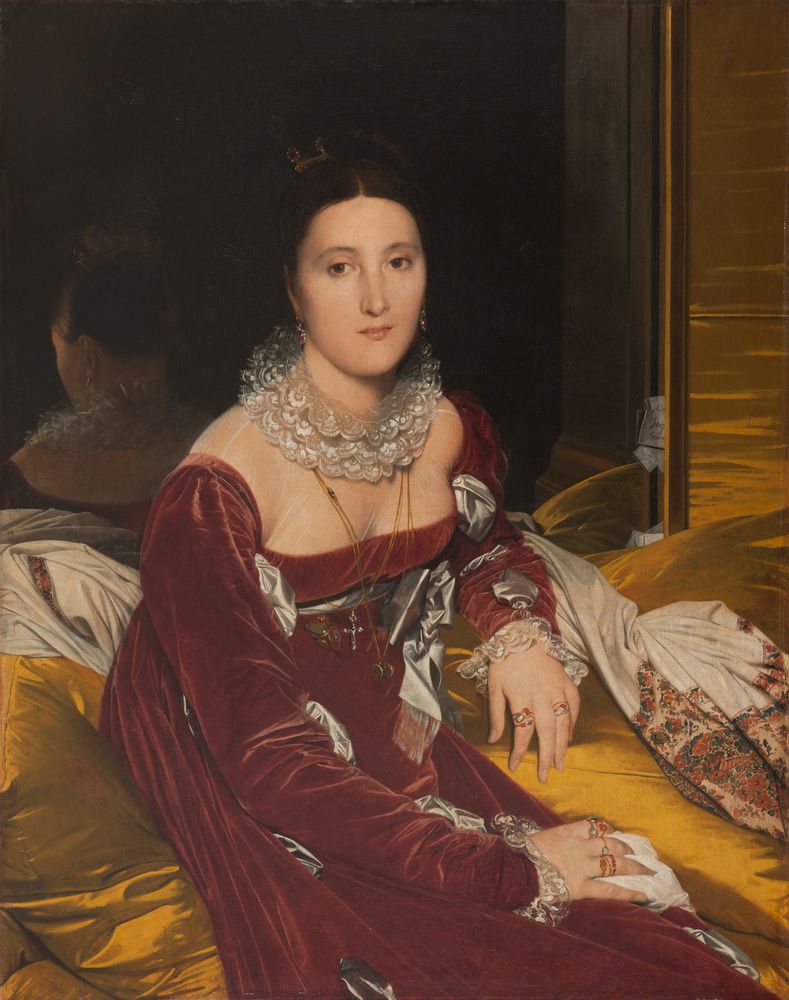
"There are people from every continent who have come to see Madame de Senonnes (Ingres)." S.L.
While many works of art and masterpieces travel around the world from one exhibition to the next, visitors from far and near also travel to remarkable exhibitions, both temporary and permanent. This contributes to the museum's international reputation and its ambitions as a major museum in the West.
"A museum that looks out to sea. S.L.
The Musée d'arts de Nantes is playing its part in the great concert of French, European and transatlantic museums, to establish its identity in this international arena. A dynamic that finds its rhythm through membership of numerous networks, major exhibitions every two to four years, and high value-added partnerships such as with the Voyage à Nantes and major national museums (Orsay, MNAM, Pompidou-Metz...). Likewise, the range of services offered to tourists is expanding, as are links with the business world.