




Book your ticket
Buy your ticket and reserve your visit time on the online ticketing service or at the museum ticket office.
 Reservations strongly recommended at weekends, on public holidays and during vacation periods. Access to the exhibition is only guaranteed if you reserve a slot.
-
The exhibition
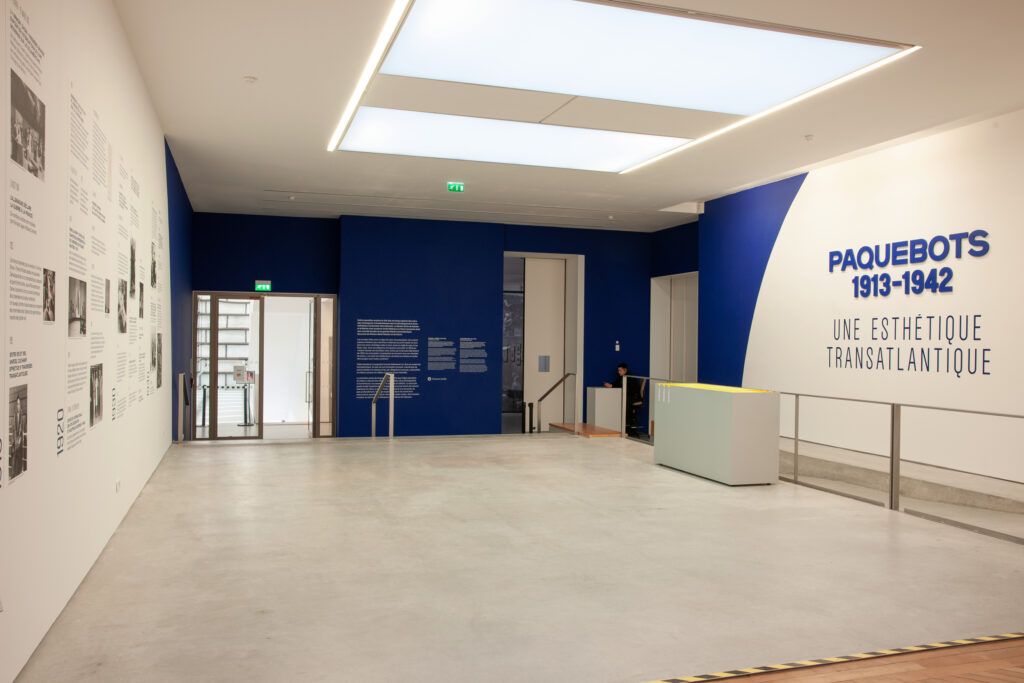
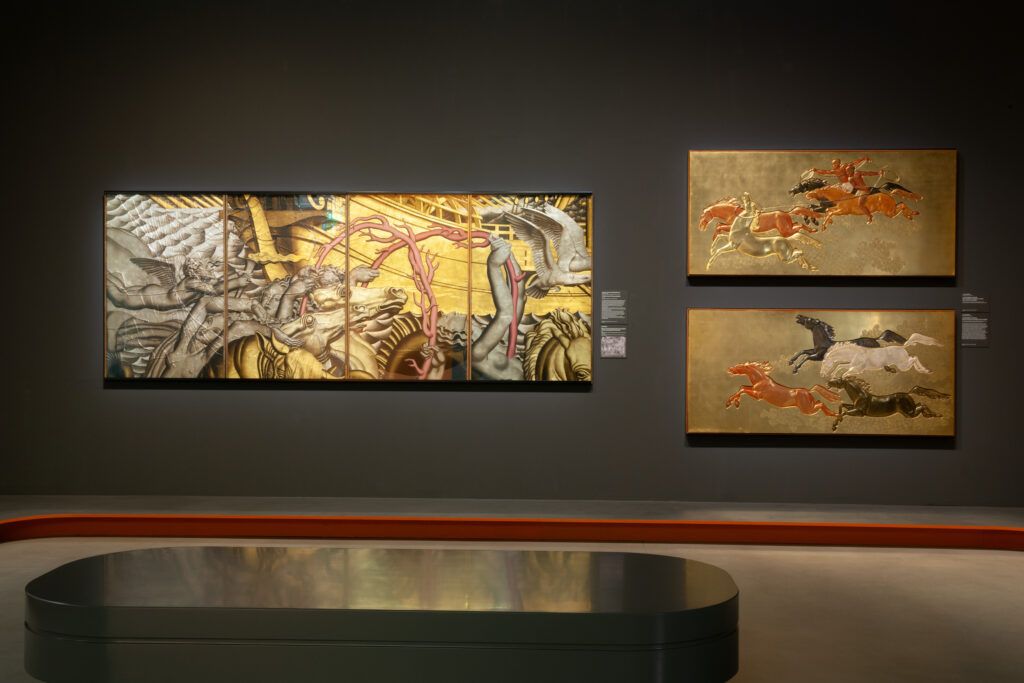
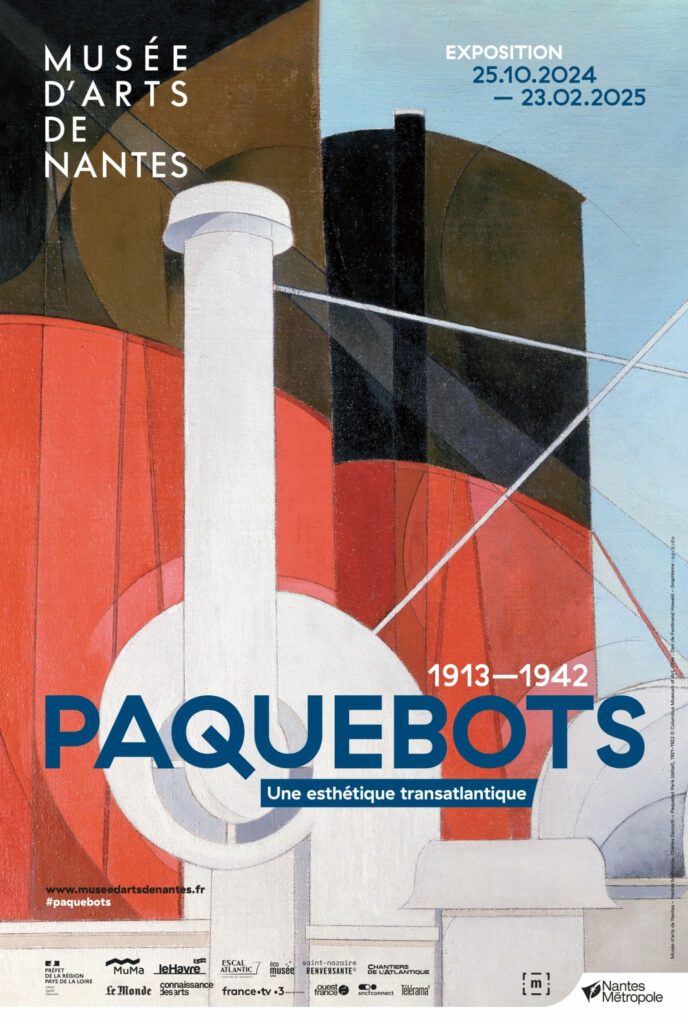
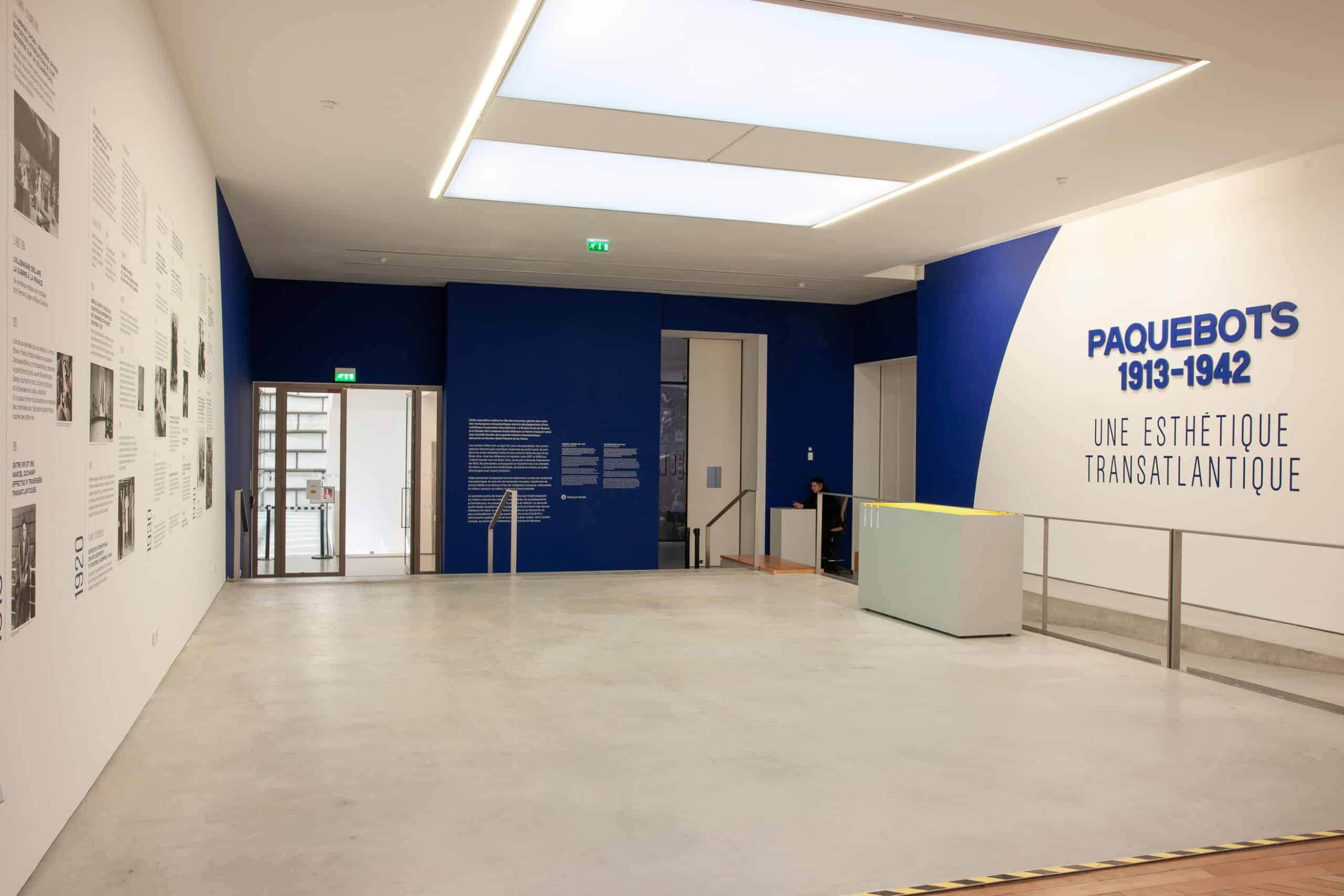
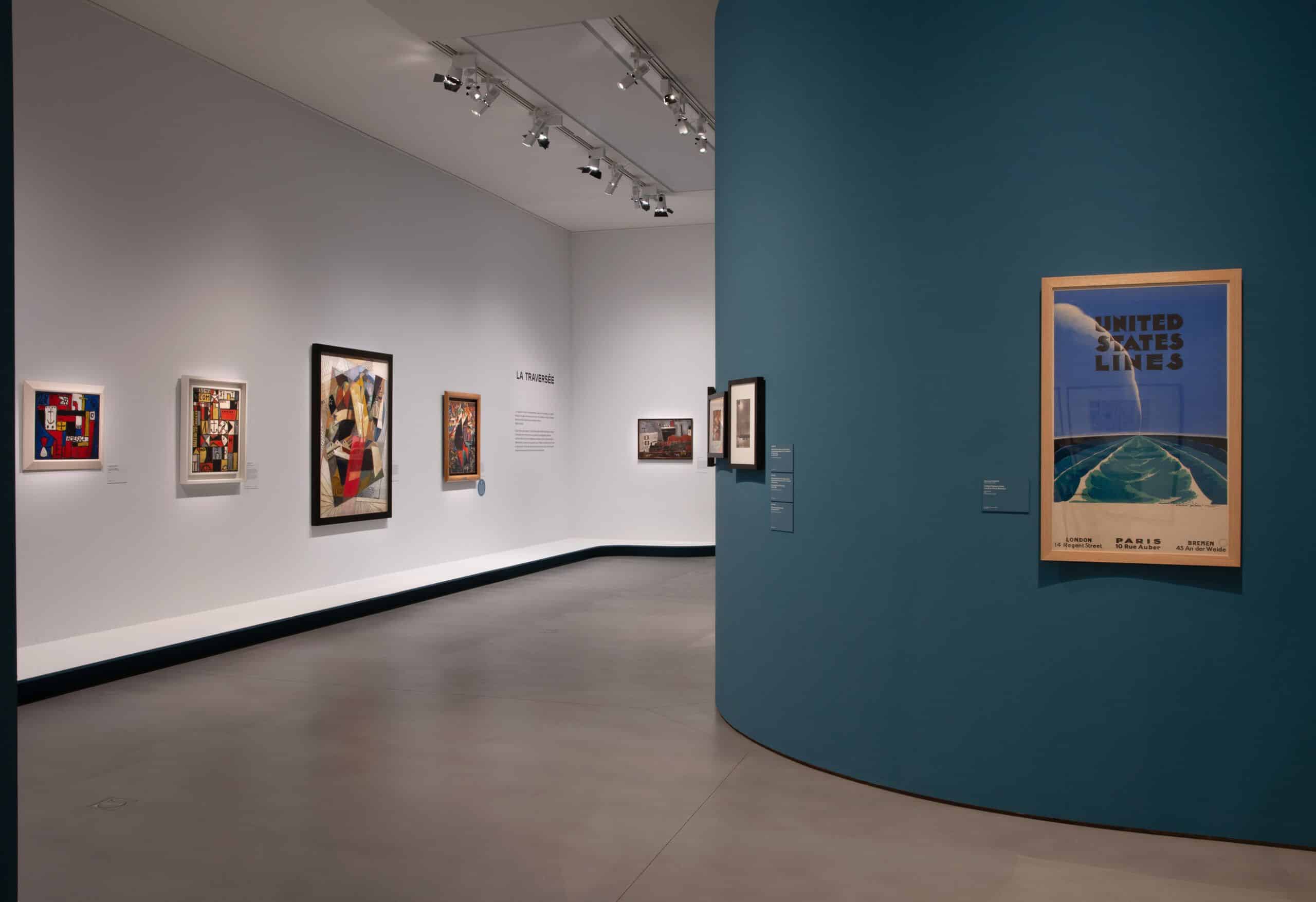
The Musée d'arts de Nantes, in co-production with the MuMa, Musée d'art moderne André Malraux in Le Havre, presents its new exhibition-event Cruise ships 1913-1942. A transatlantic aesthetic. A crossing to experience from October 25, 2024 to February 23, 2025 in the modern space of Le Cube.
The Roaring Twenties were a golden age for liners, as much floating palaces as streamlined modern machines.
With the various Immigration Acts (1917 and 1924) limiting the exodus to the United States, followed by the Great Depression of 1929, the main companies turned to a leisure clientele, including intellectuals, writers and artists seeking exchanges with the other continent.
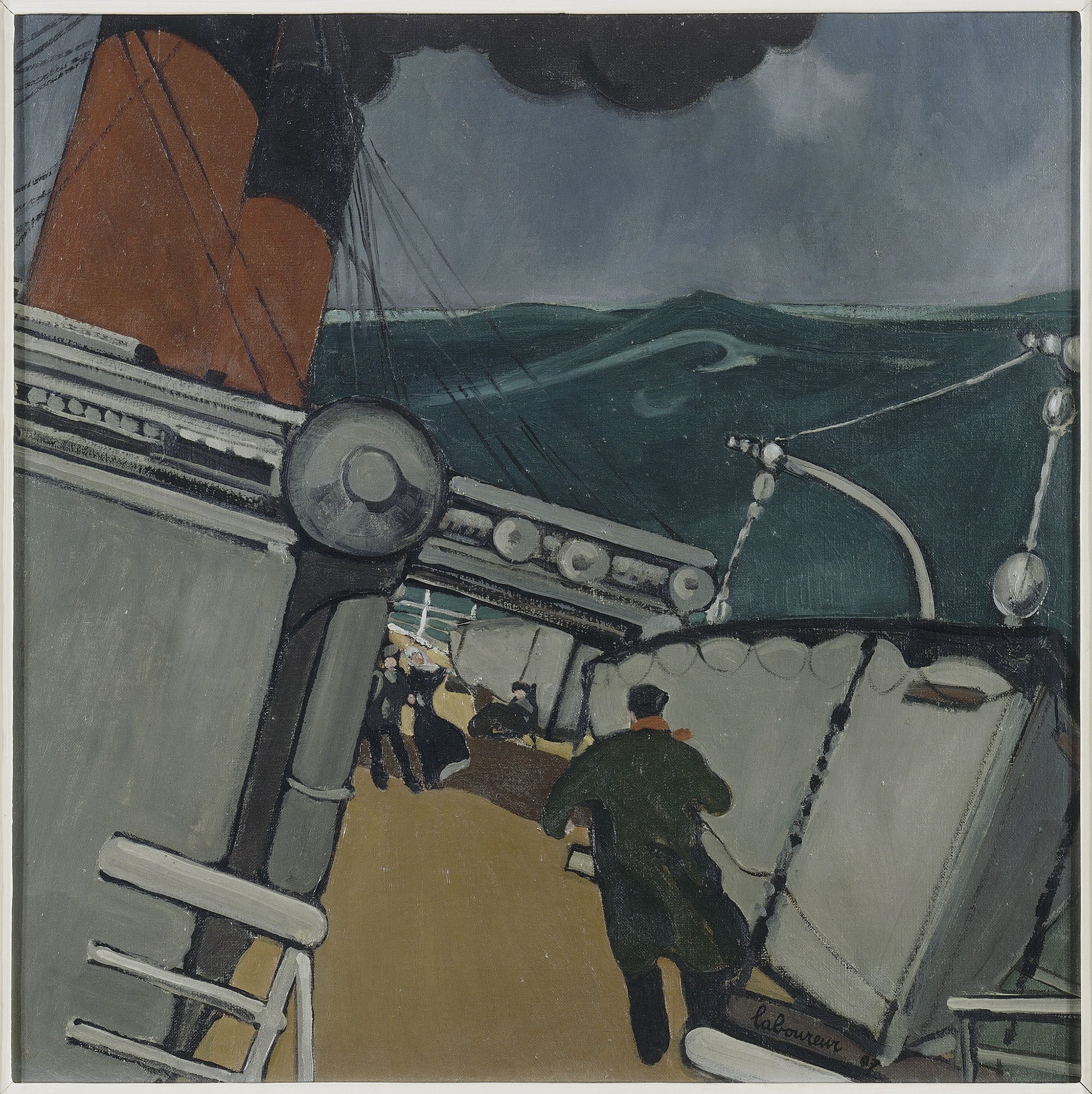
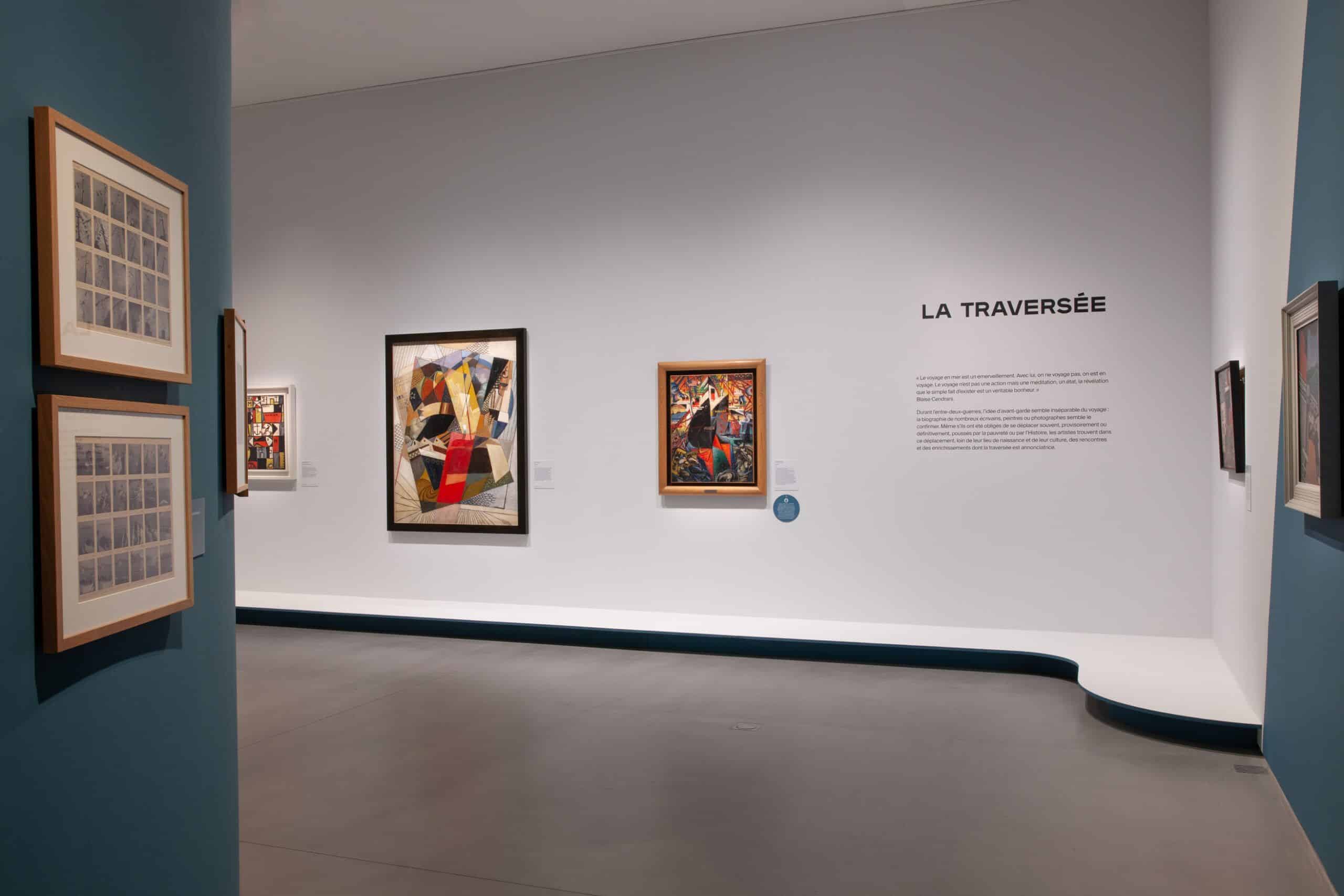
An object of dreams and fascination in the avant-garde circles of the early 20th century, the ocean liner inspired numerous painters, photographers, filmmakers, architects and poster designers. These floating palaces were a new kind of travel experience, revolutionizing our relationship with time. A suspended moment, the transatlantic crossing lasting several days encourages unexpected encounters and reinvents fashion, design and everyday life. Until arrival in New York, where the city draws new lines with its many buildings, steel giants merging with the giants of the seas.
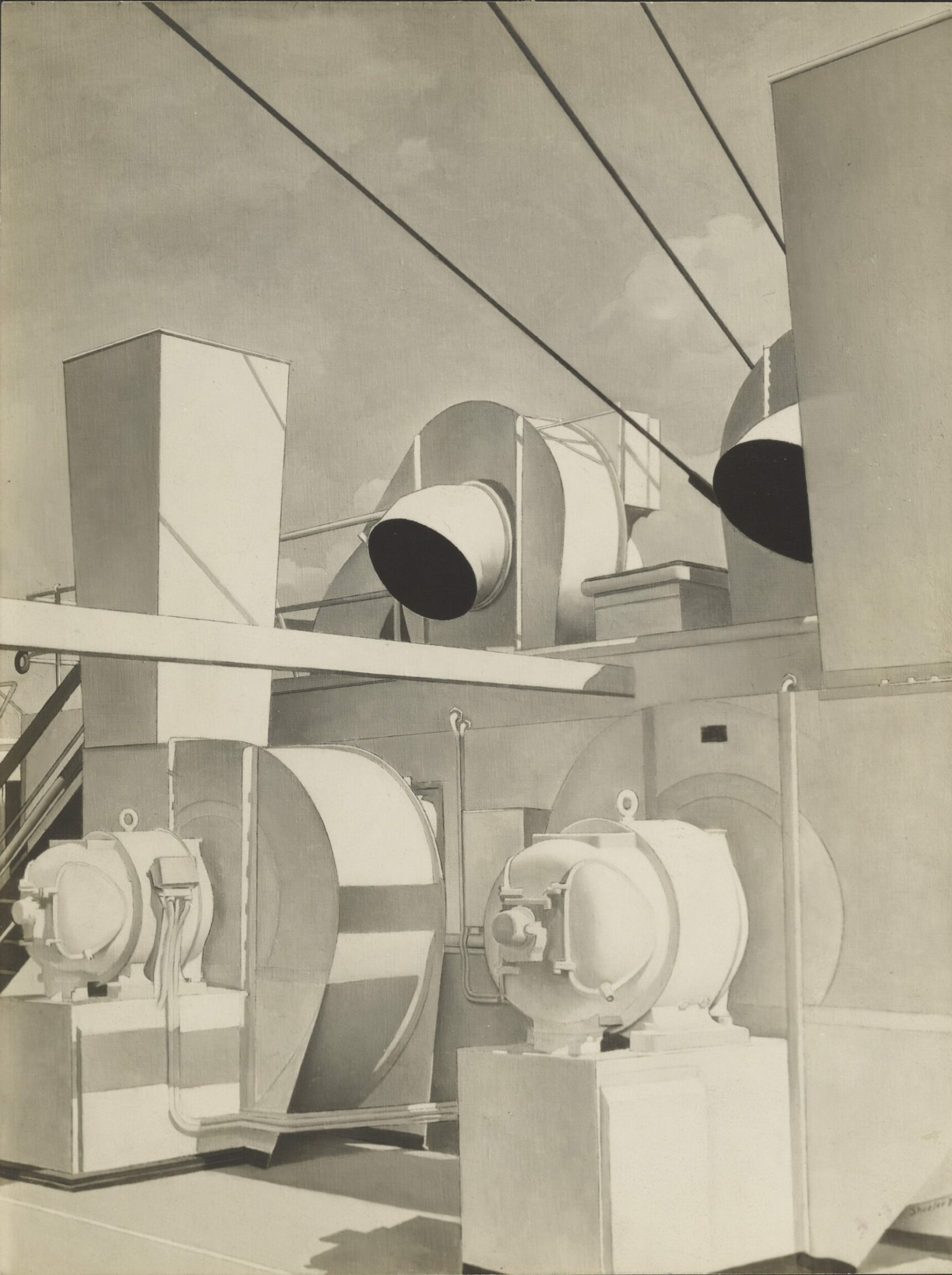
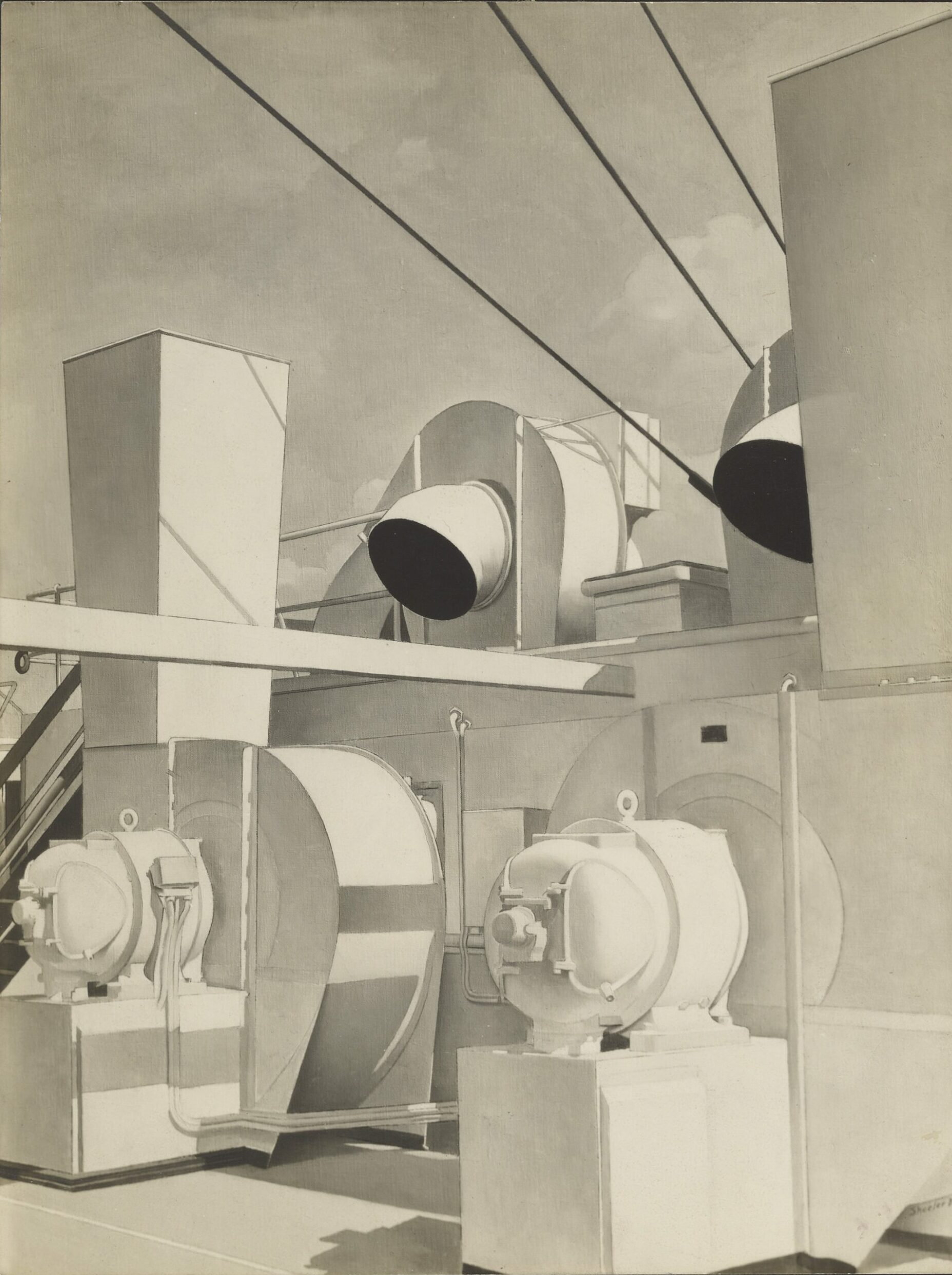
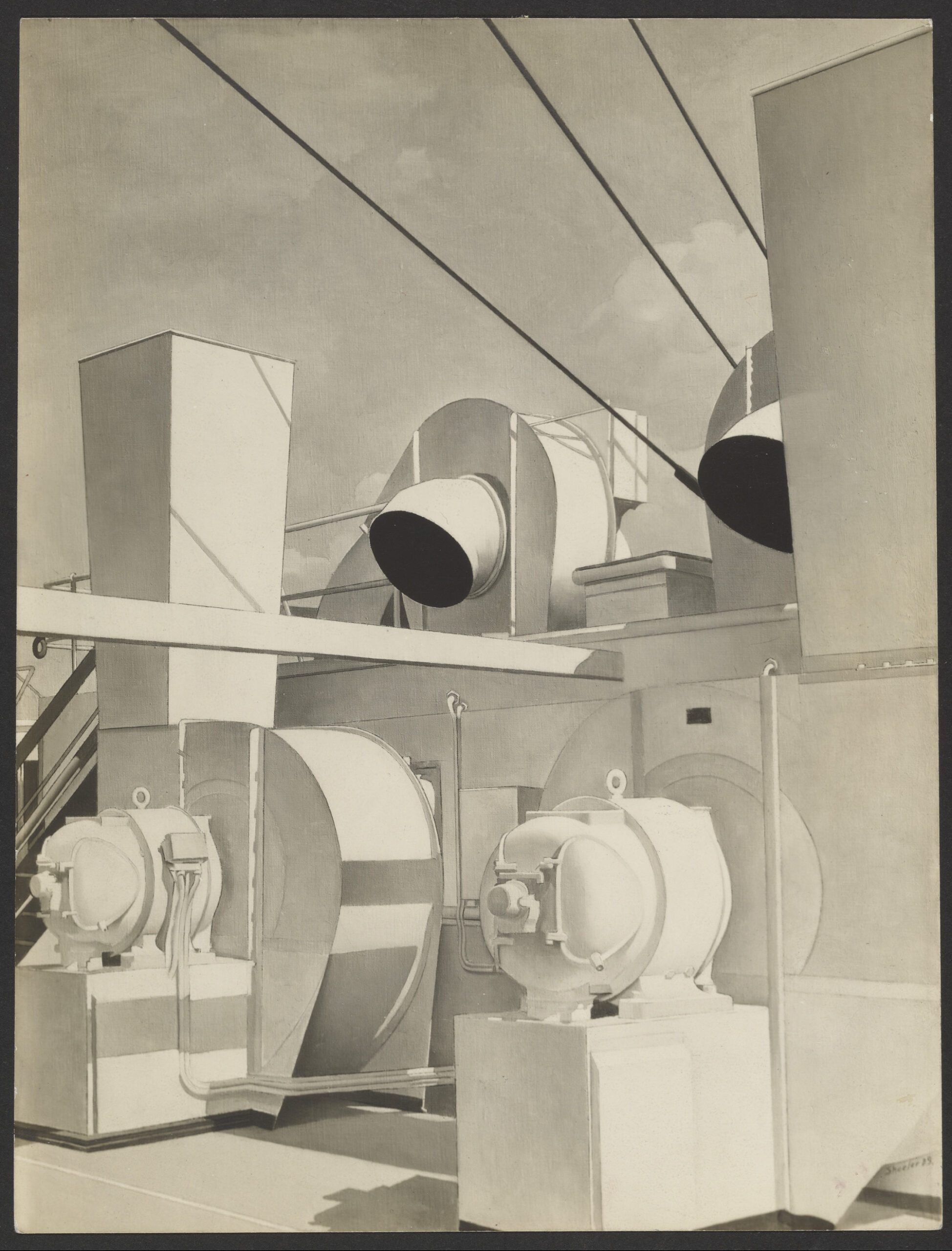
Charles Sheeler, The Upper Deck, print circa 1939. Los Angeles, The J. Paul Getty Museum.
More than 180 works
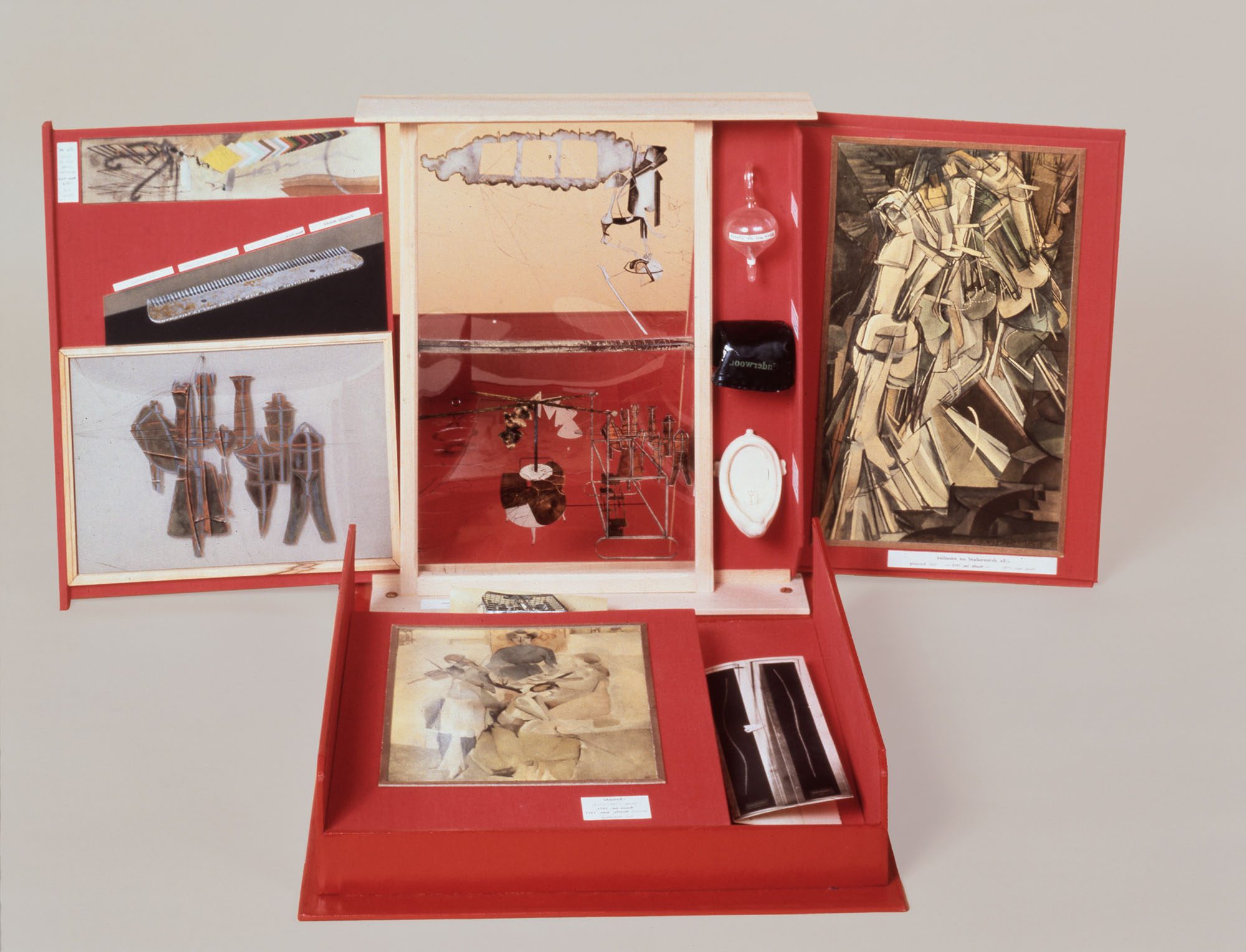
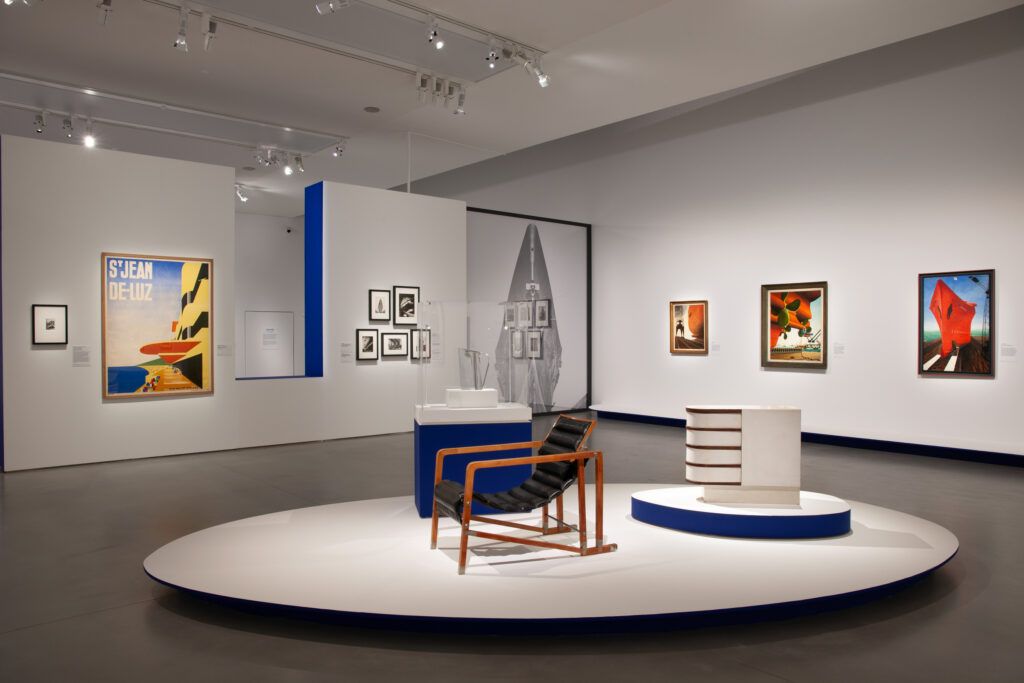
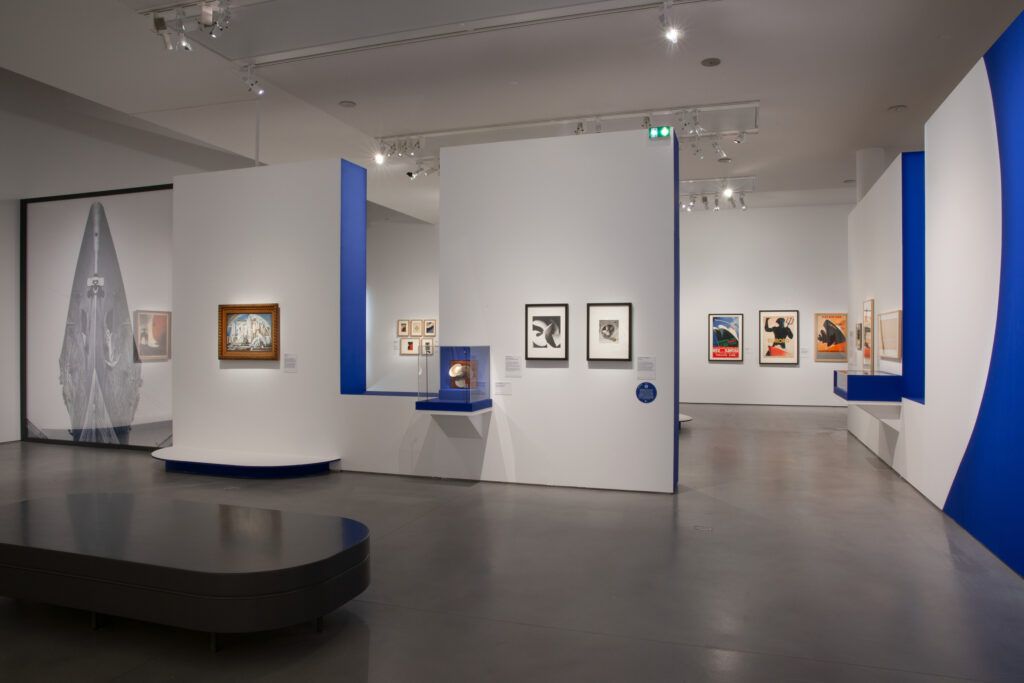
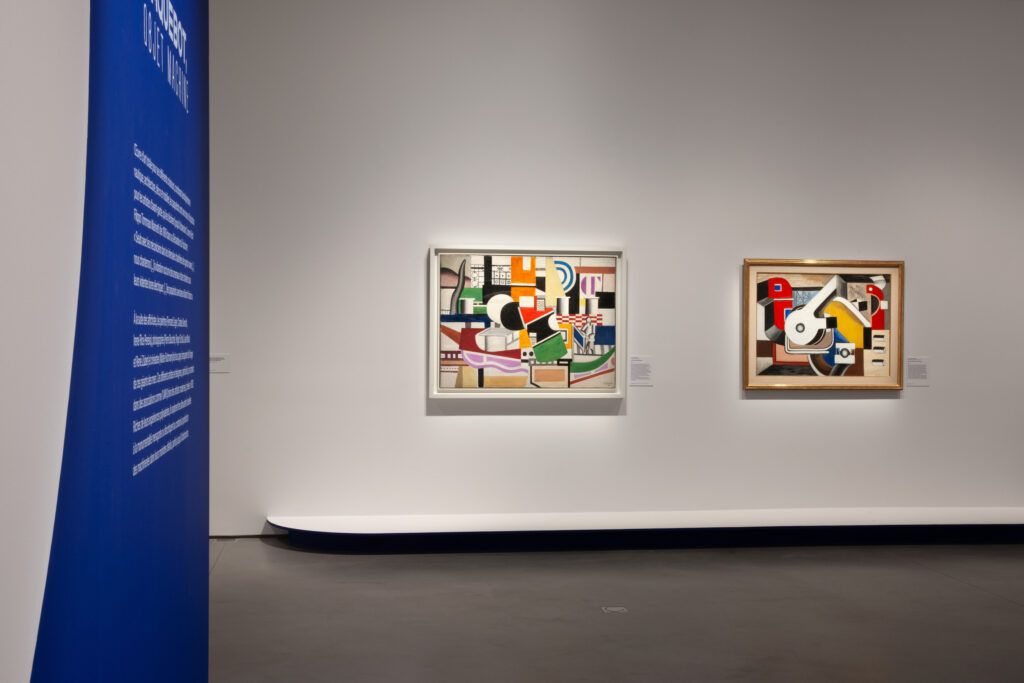
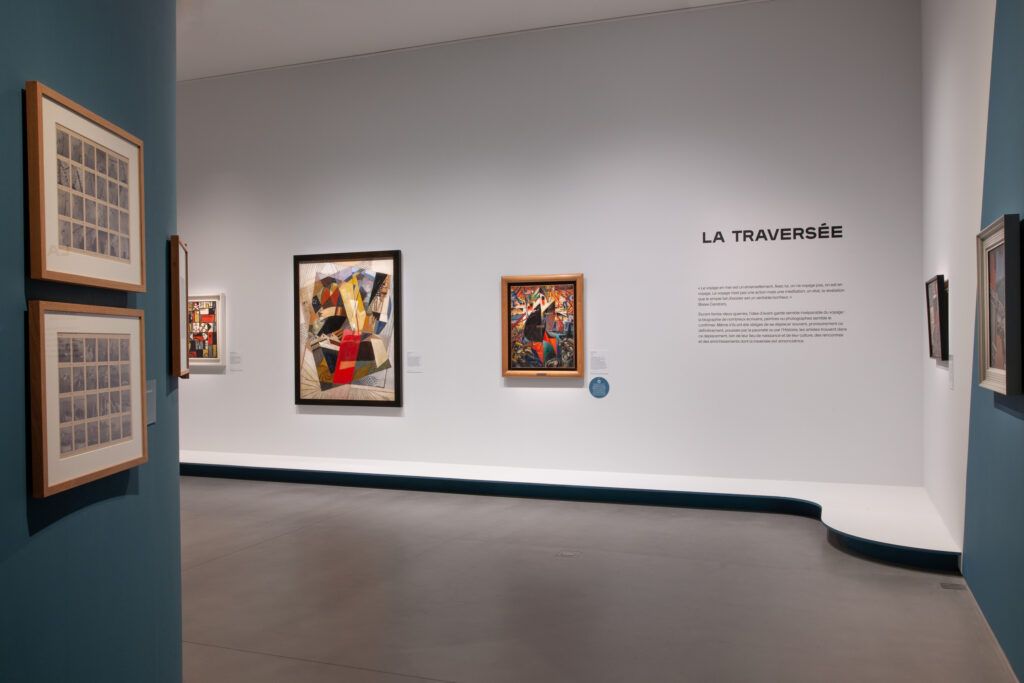
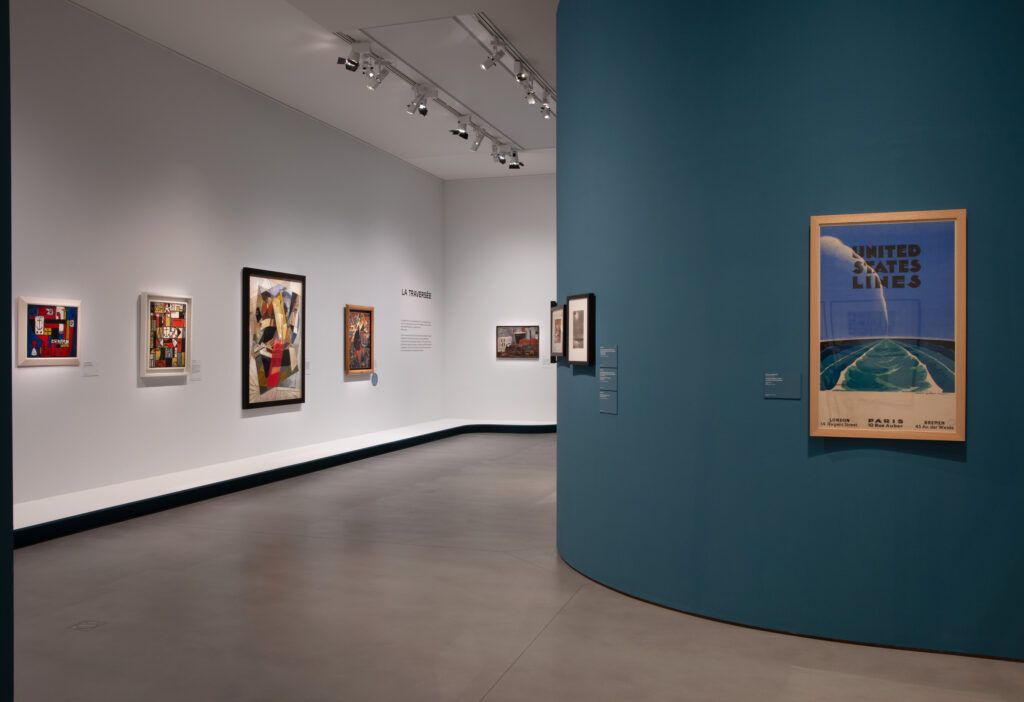
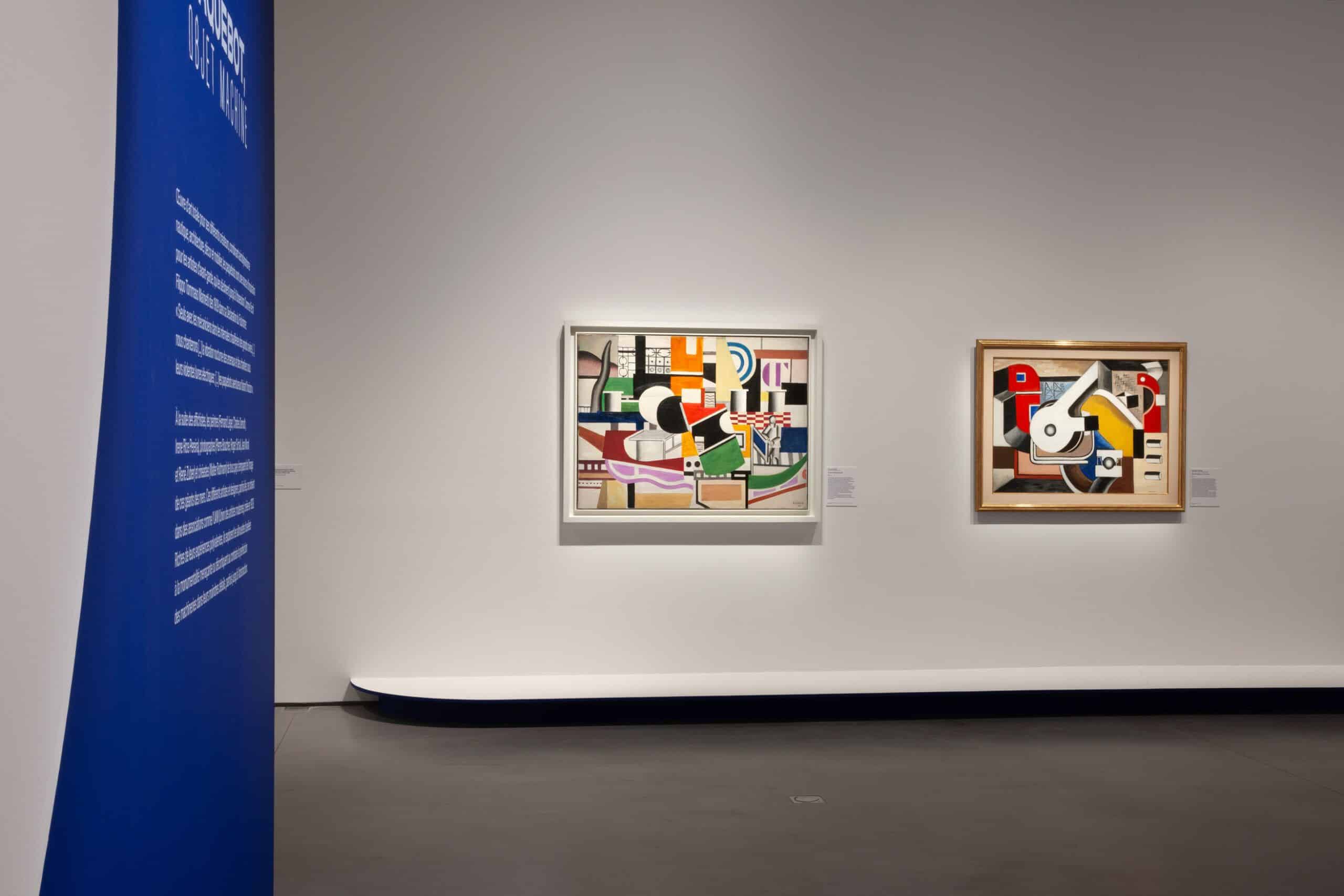
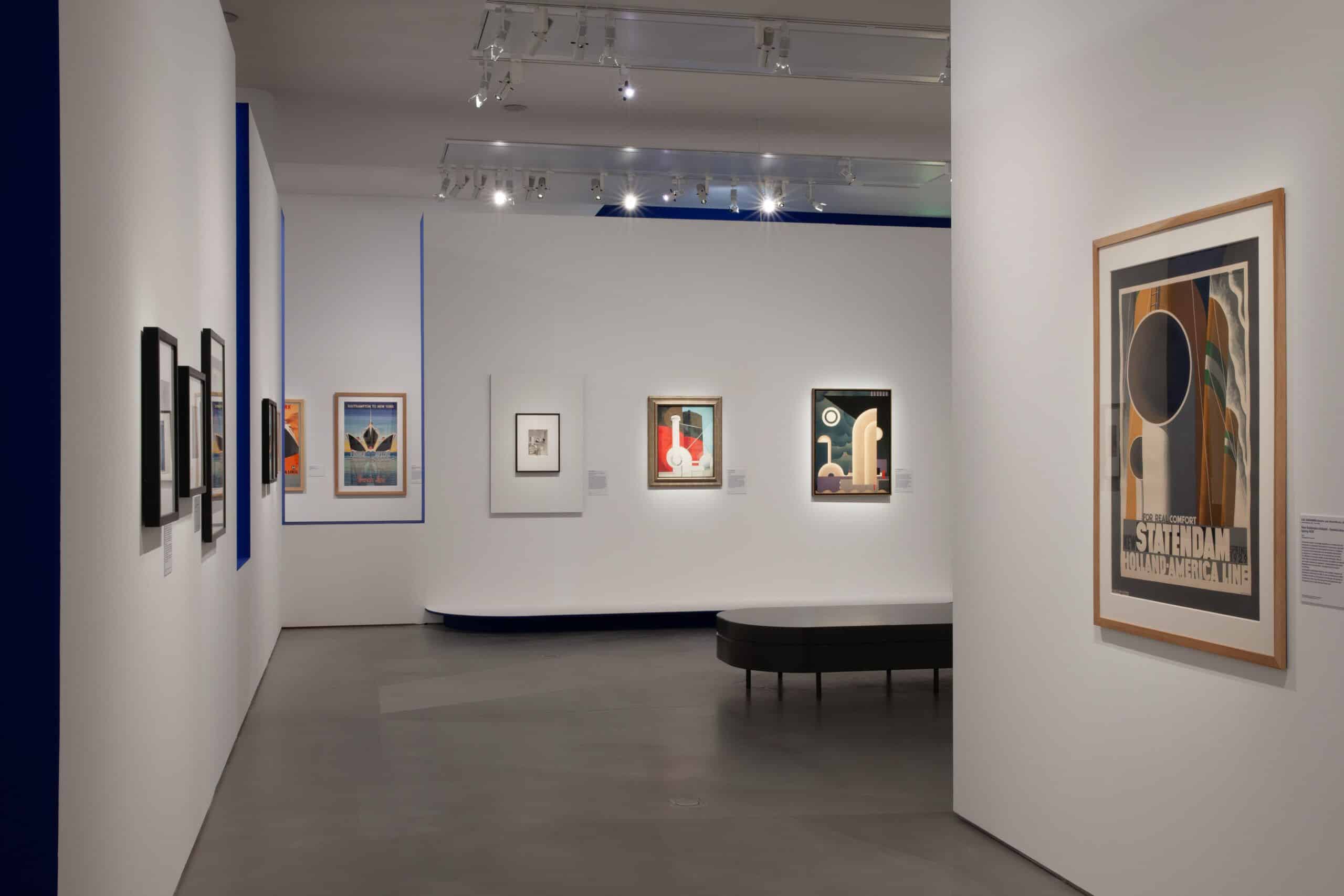
Paintings, posters, photographs, objects, discover the works of many artists: Cassandre, Marcel Duchamp, Fernand Léger, Albert Gleizes, Eileen Gray and the Americans Walker Evans, Charles Demuth and Charles Sheeler.
A journey in two stages
While the first part of the exhibition shows how the liner object itself fascinated avant-garde artists, from photography to architecture, painting and posters, the second part examines the experience of travel, between the hushed luxury of Art Deco interiors, the open-air leisure life on the decks, and more profoundly, the strange experience of life on board, captured in particular in the cinema of the period.
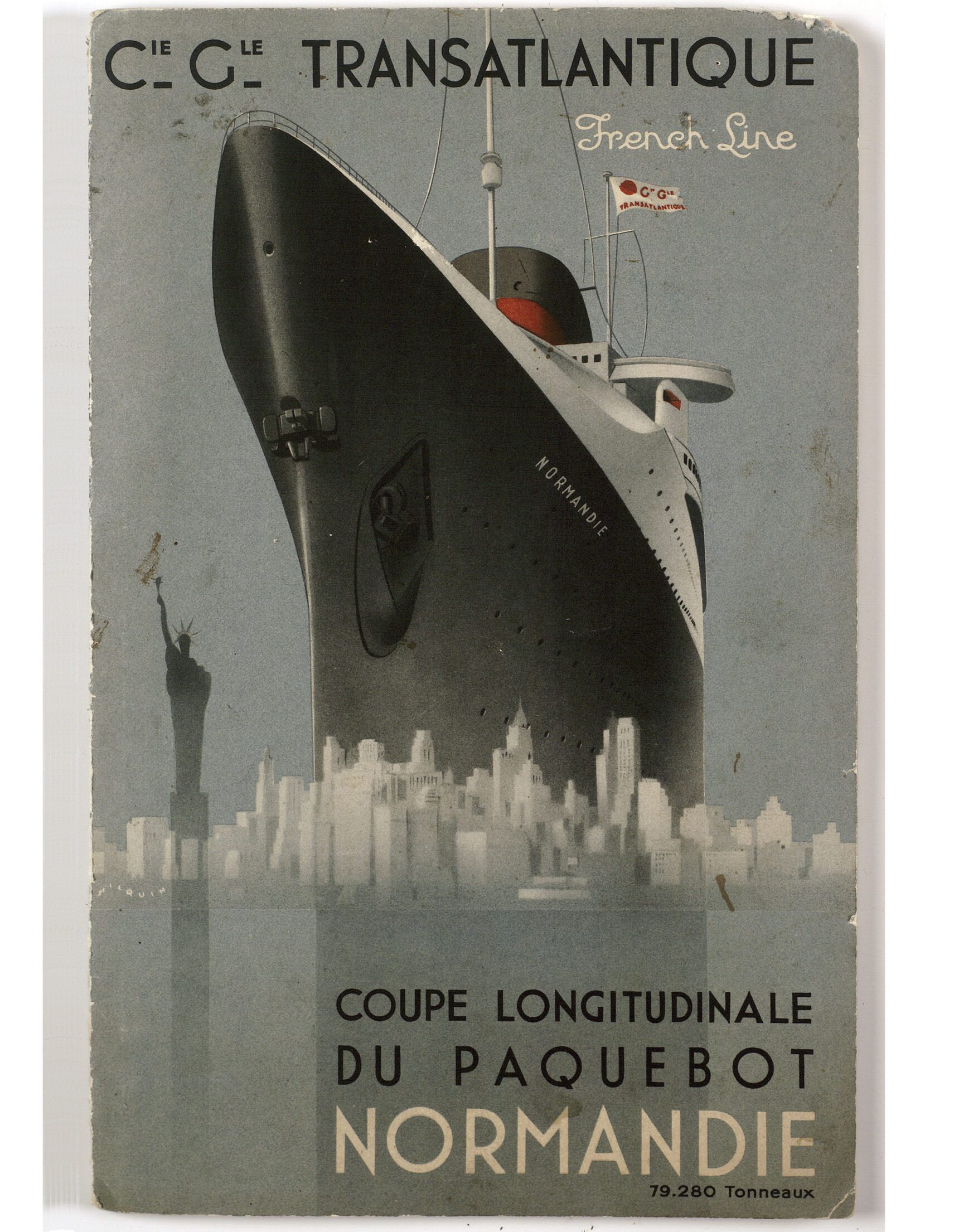
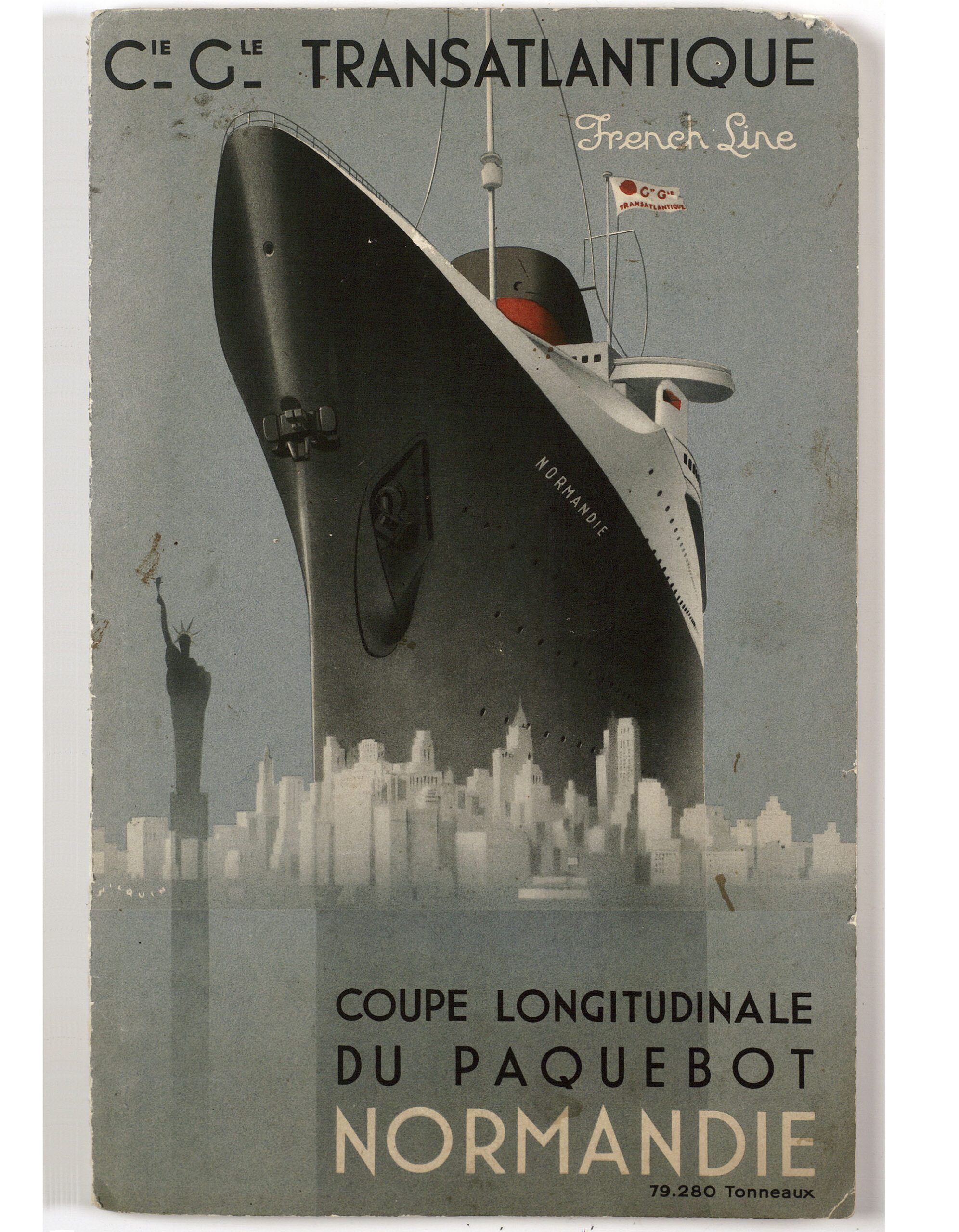
André Wilquin, Cover with the liner Normandie in front of Manhattan, longitudinal folding section, circa 1925.
1. A transatlantic aesthetic
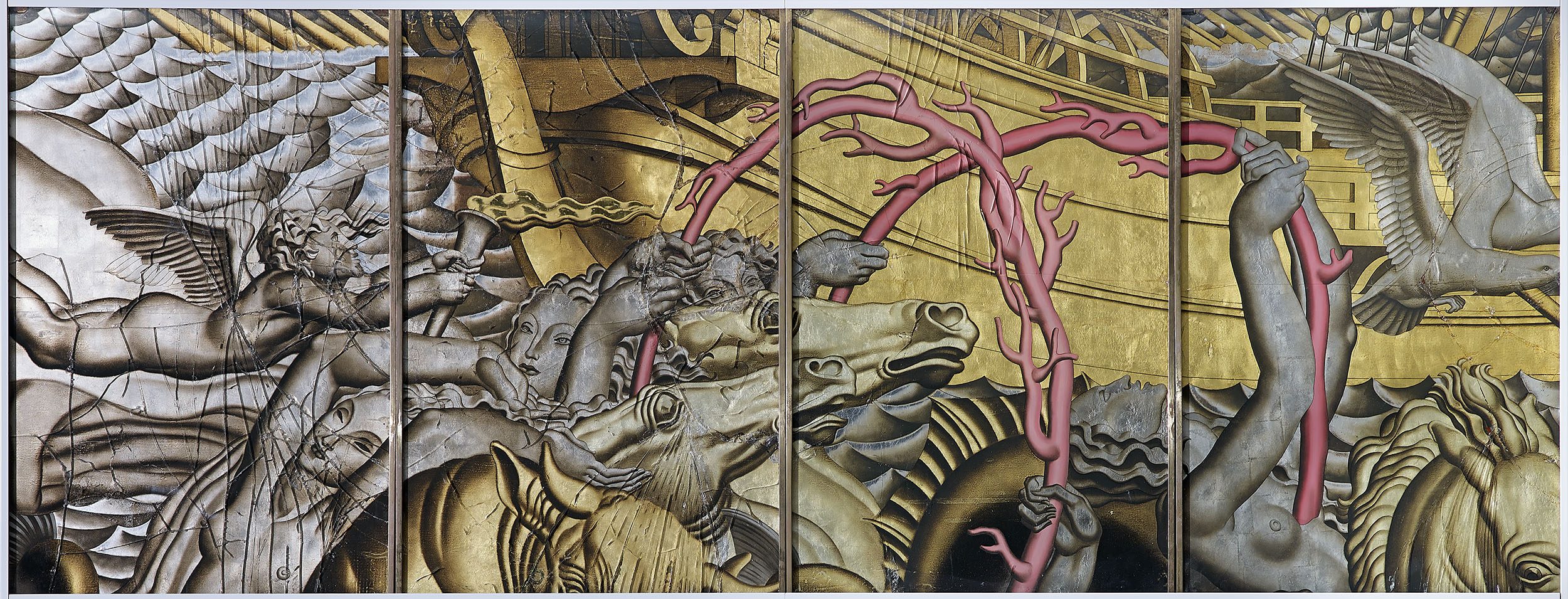
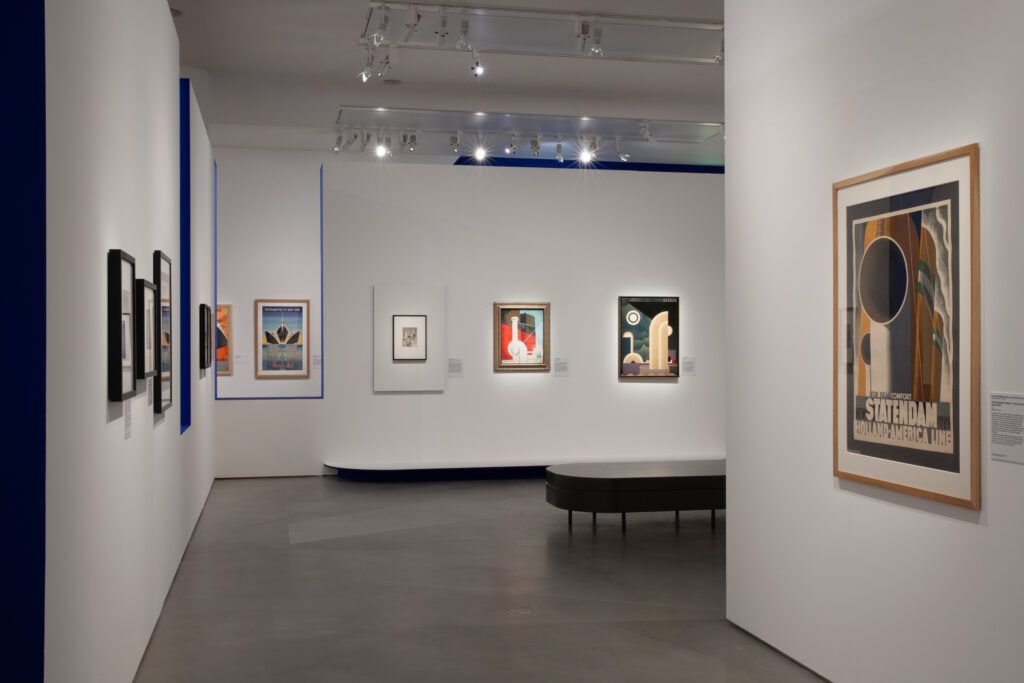
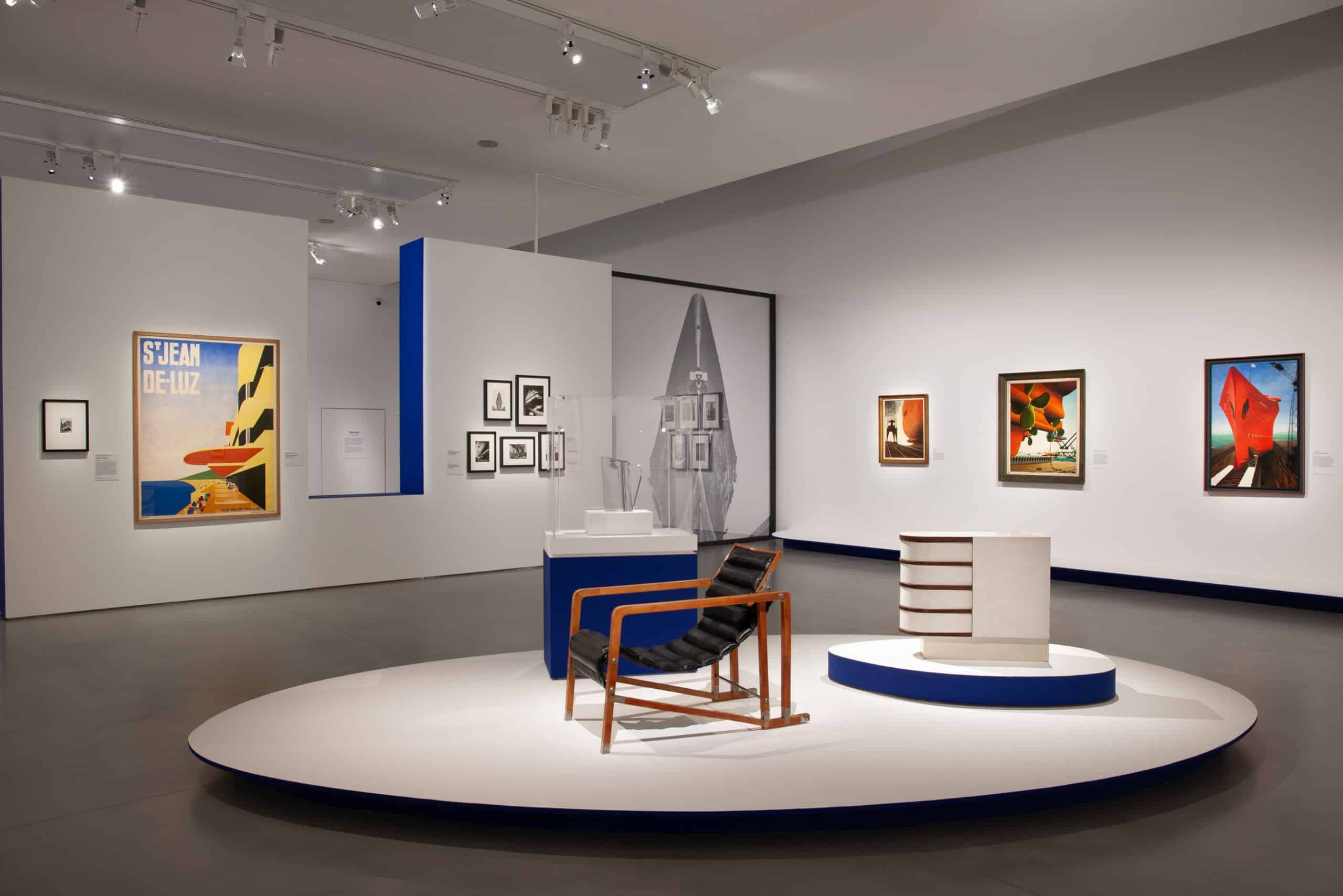
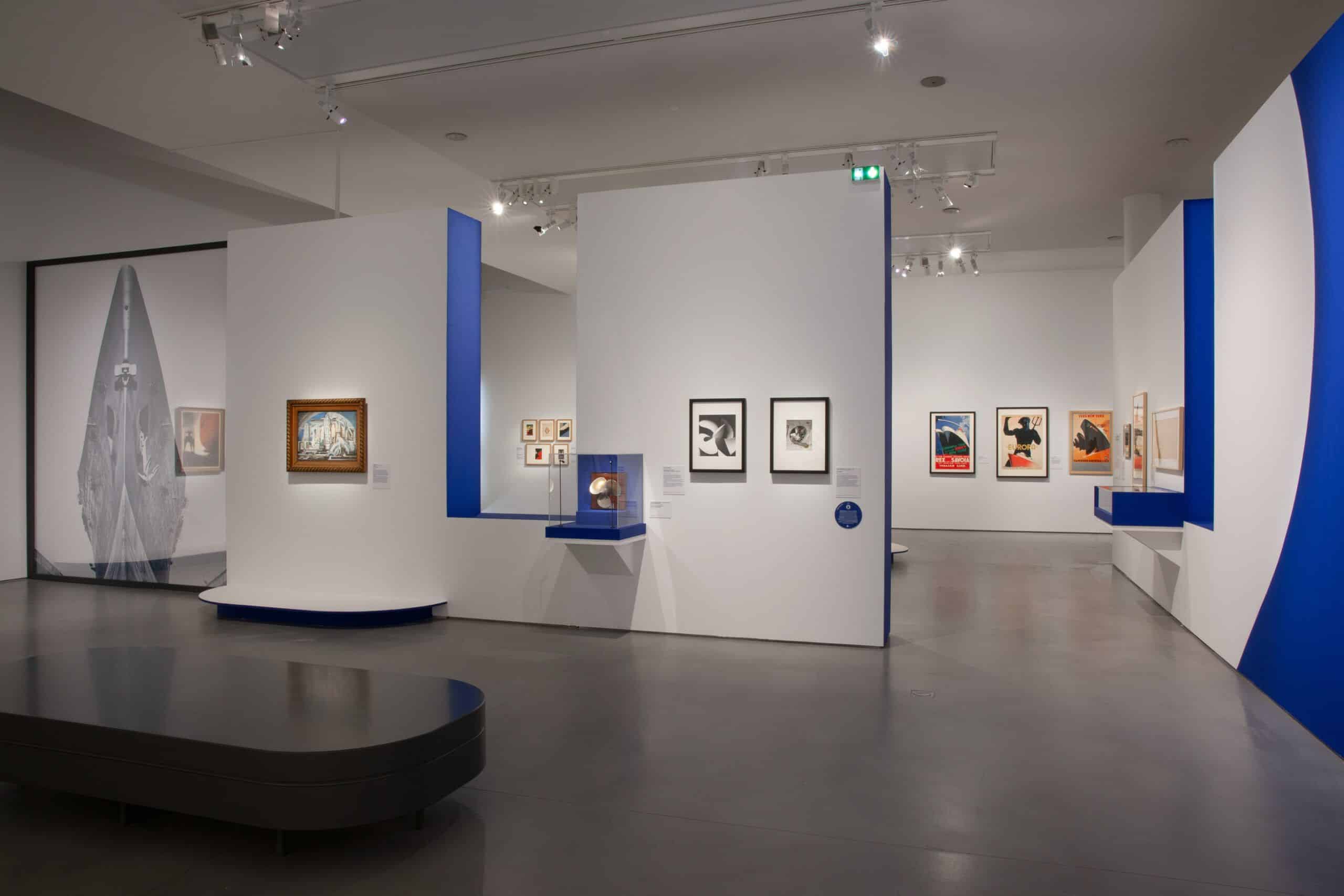
Painting, cinema, photography, posters... the imaginary world of ocean liners has inspired artists, nurturing an international language shared by the arts, the press and advertising. The brilliant graphic artist Cassandre is undoubtedly one of the most iconic representatives of this aesthetic.
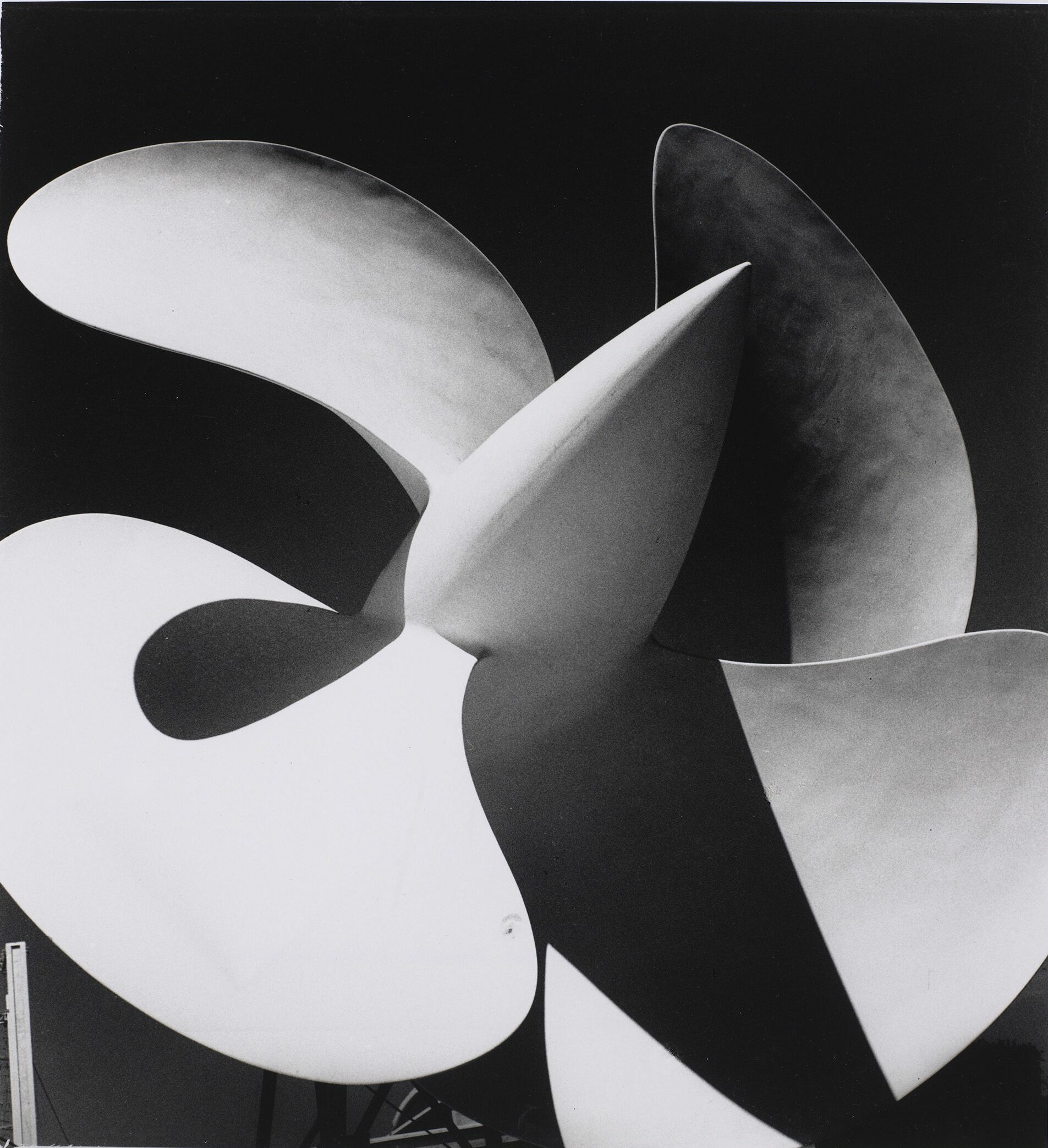
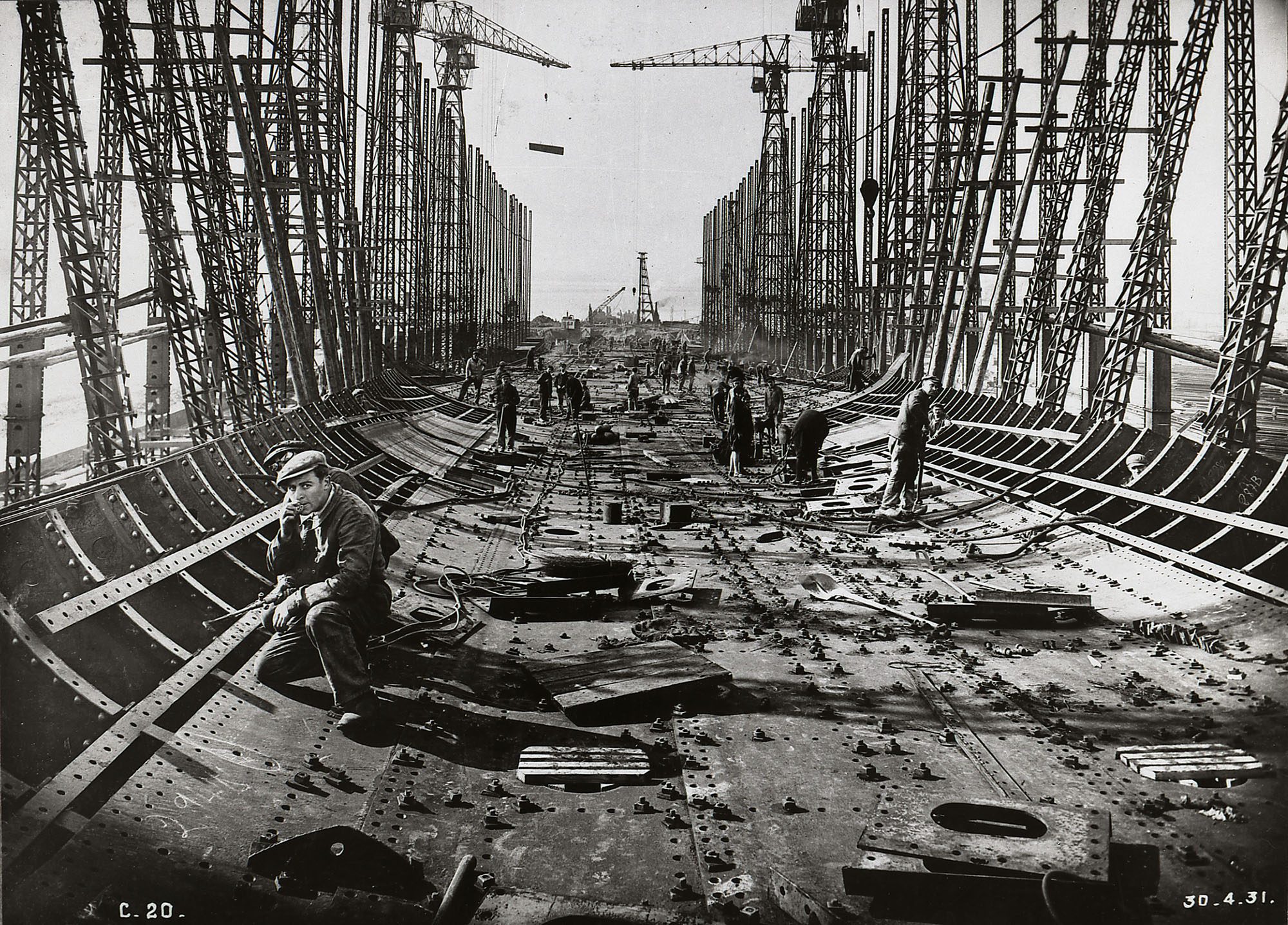
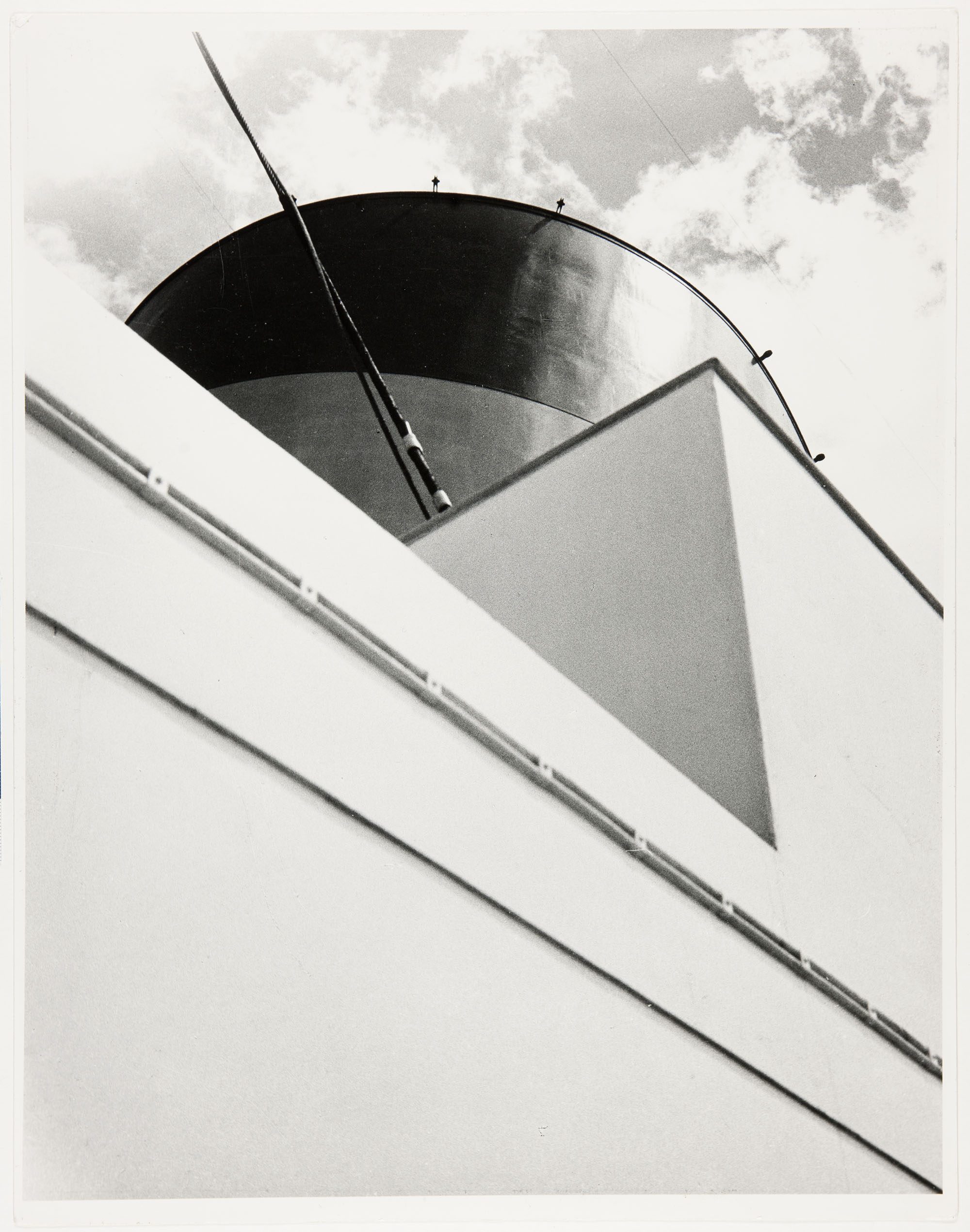
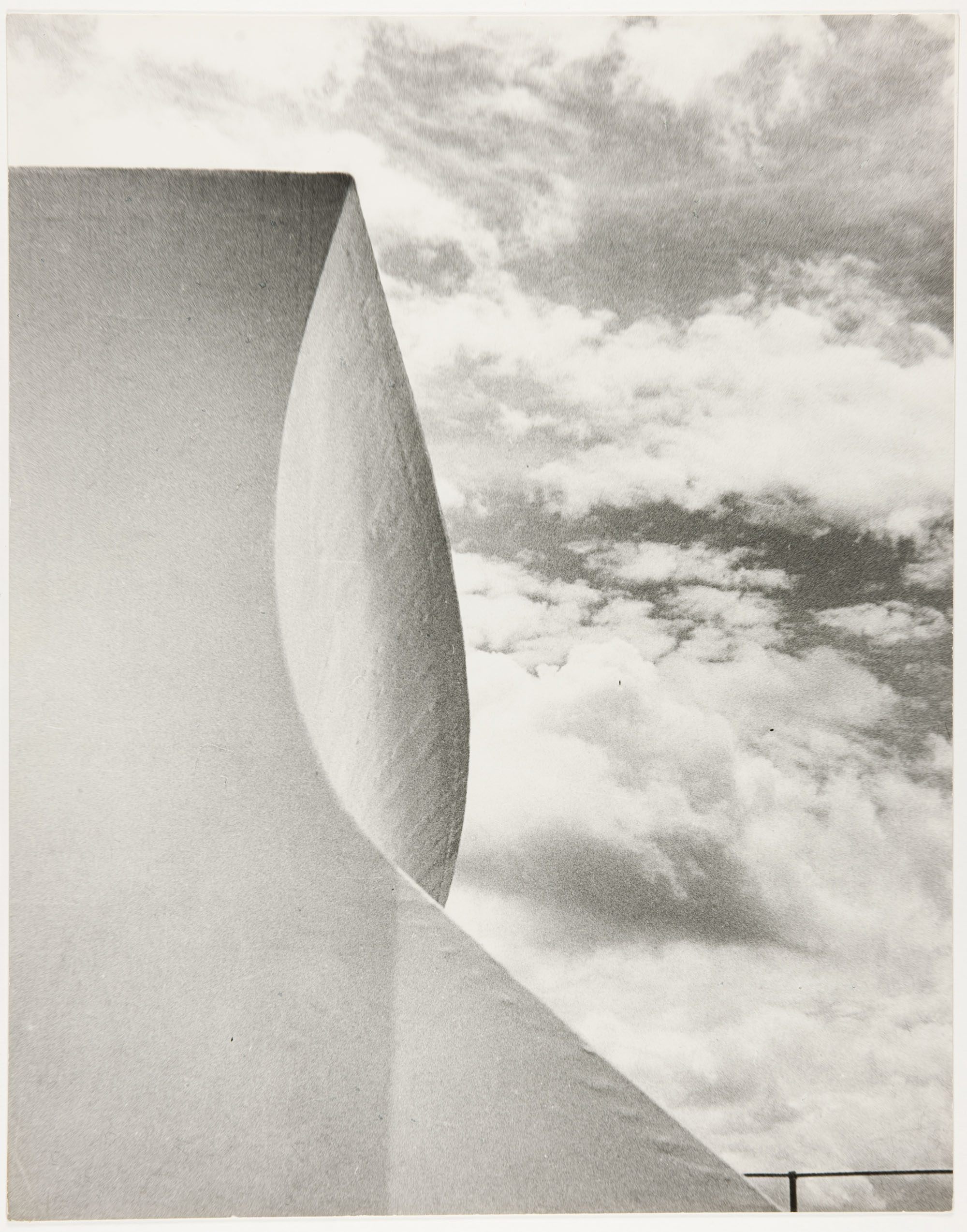
In photography, new printing and shooting techniques enable more creative and graphic framing, emphasizing the gigantism and dynamism of prows and smokestacks.
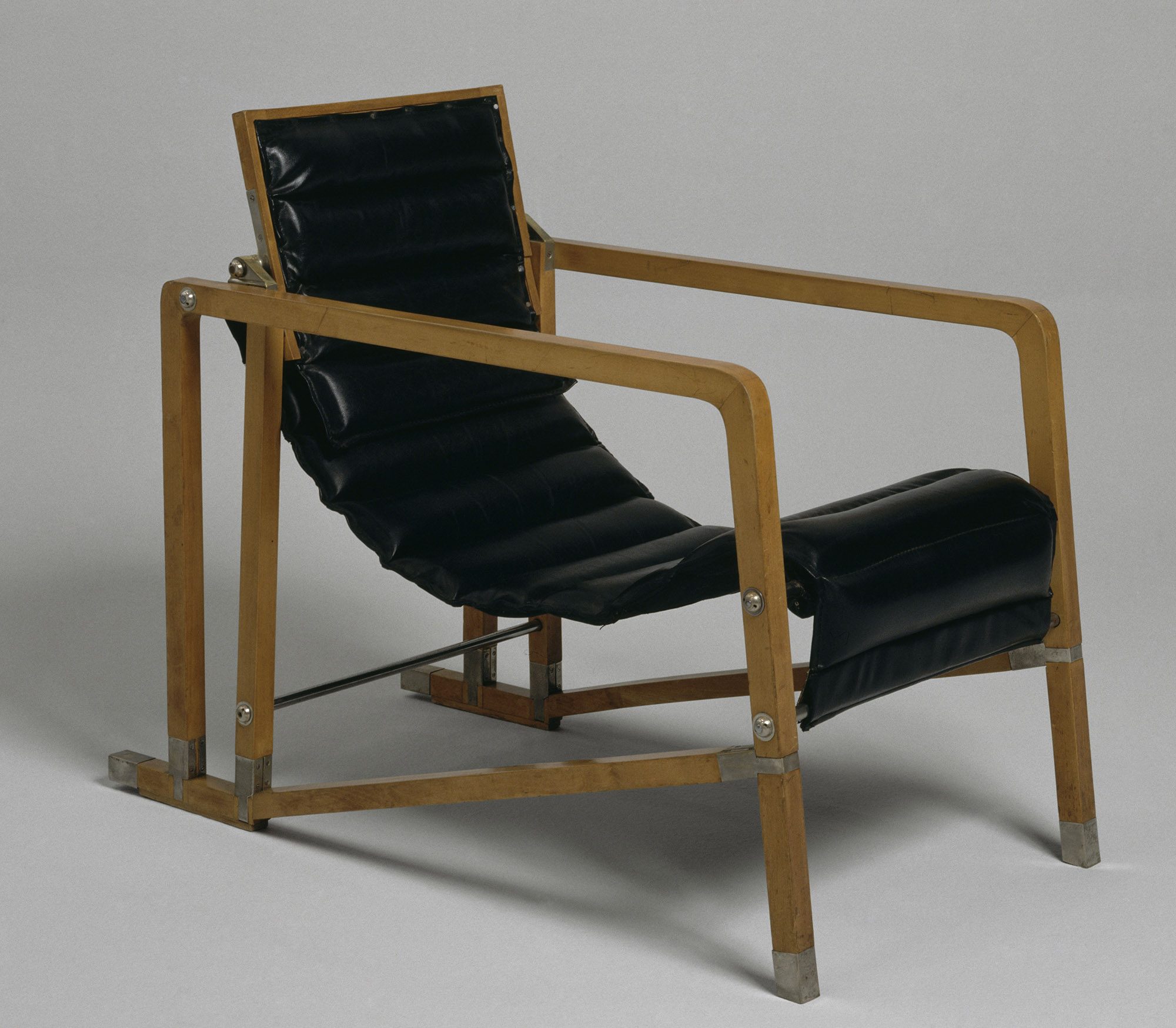
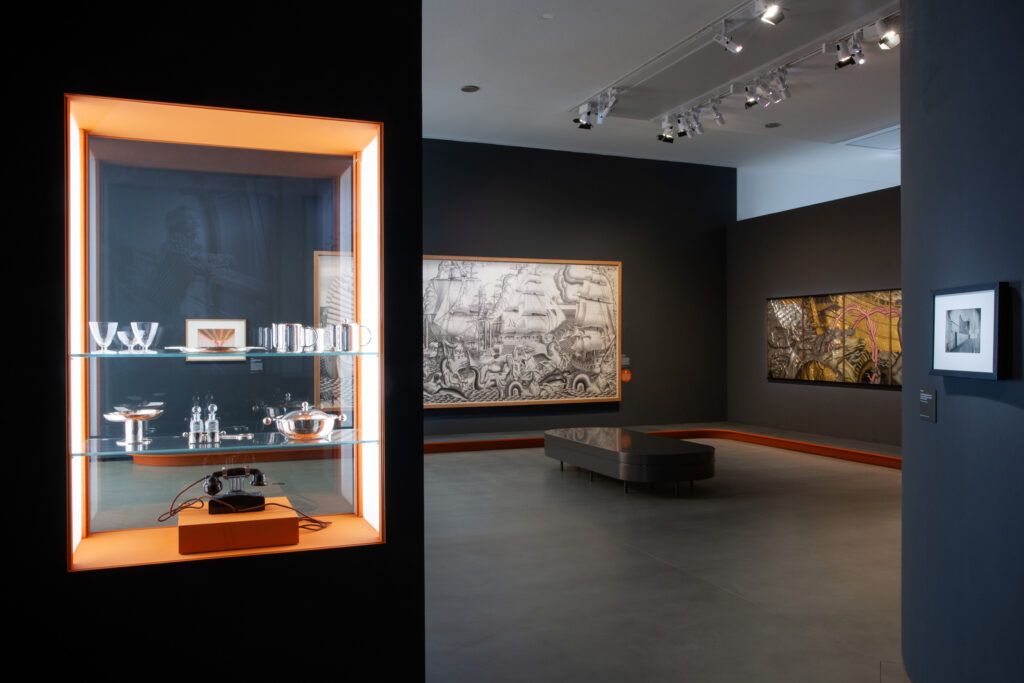
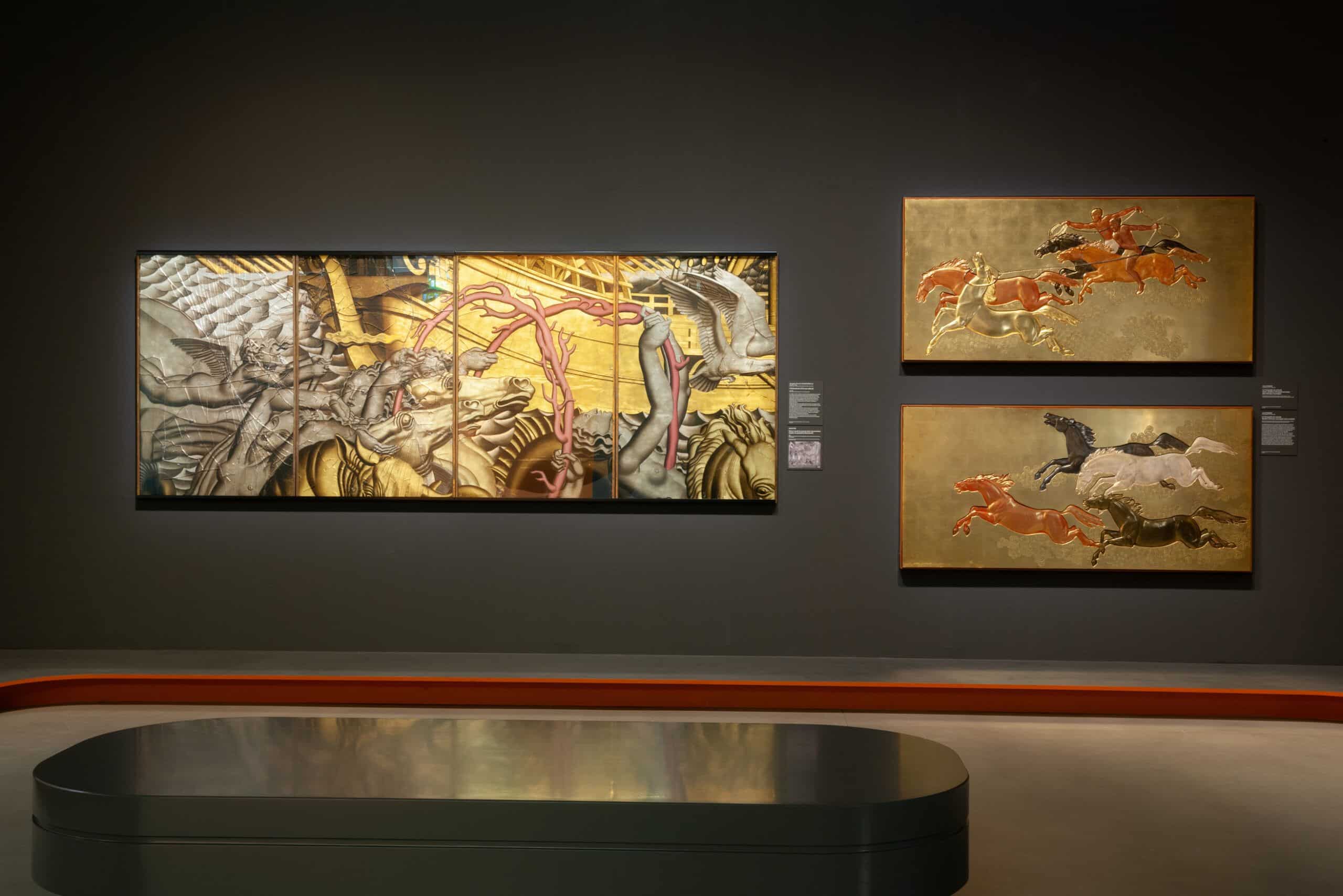
Liners also inspired architects and designers. Le Corbusier, Robert Mallet-Stevens and Eileen Gray invented an architectural aesthetic inspired by that of ocean liners.
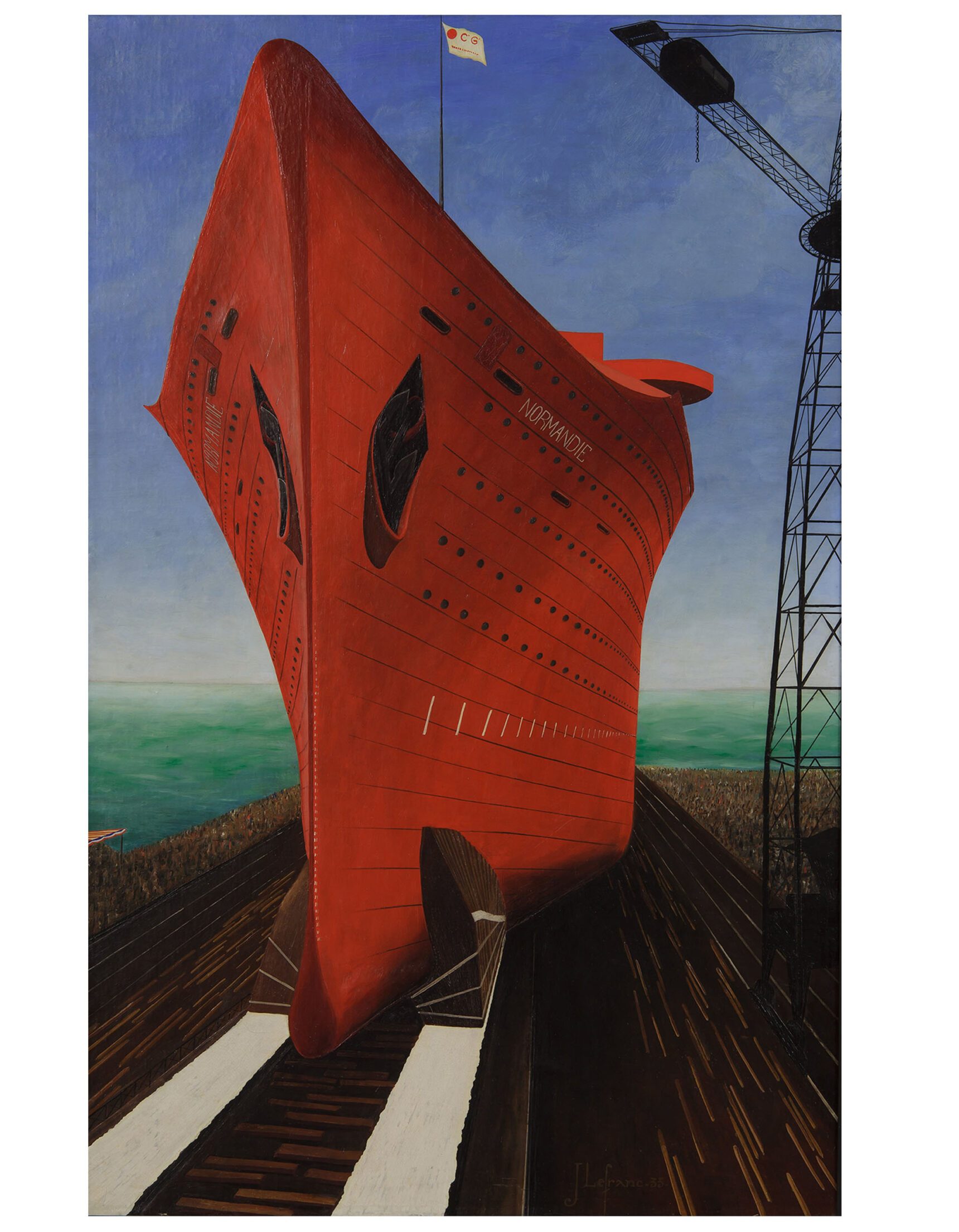
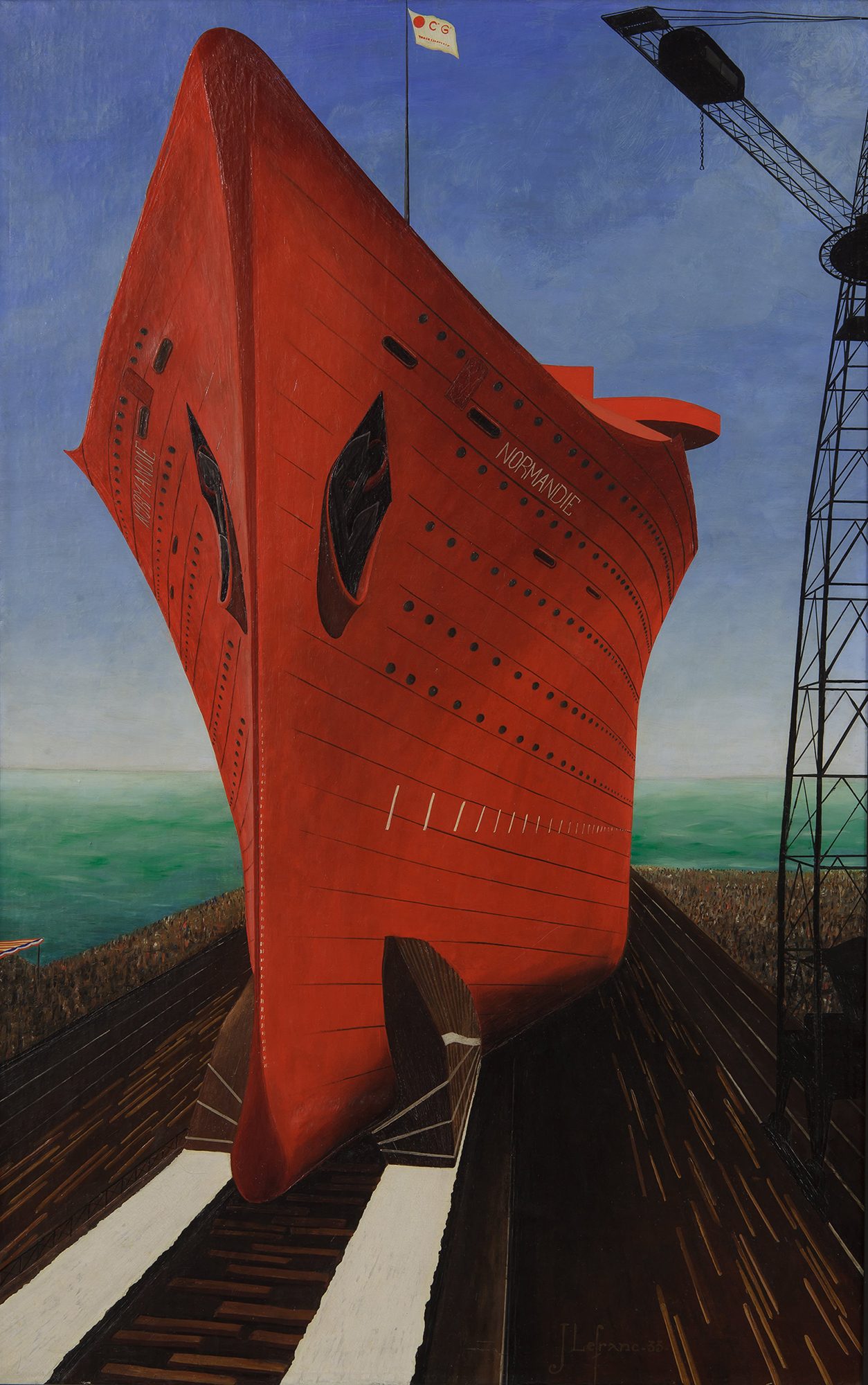
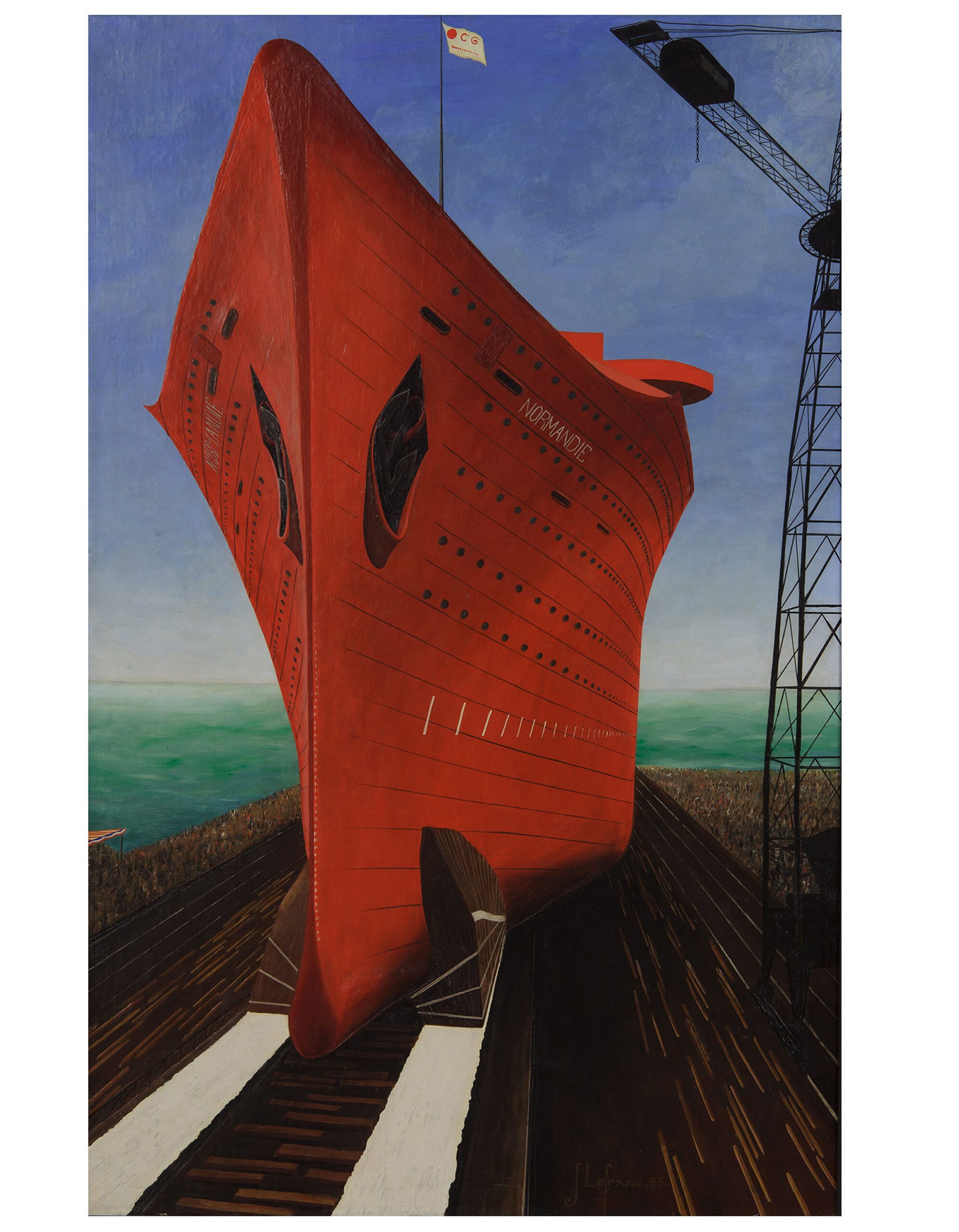
Jules Lefranc, Le Lancement de Normandie, 1933.
2. Welcome aboard
A veritable floating palace, everything is done to transform the liner into a reassuringly luxurious Art Deco hotel.
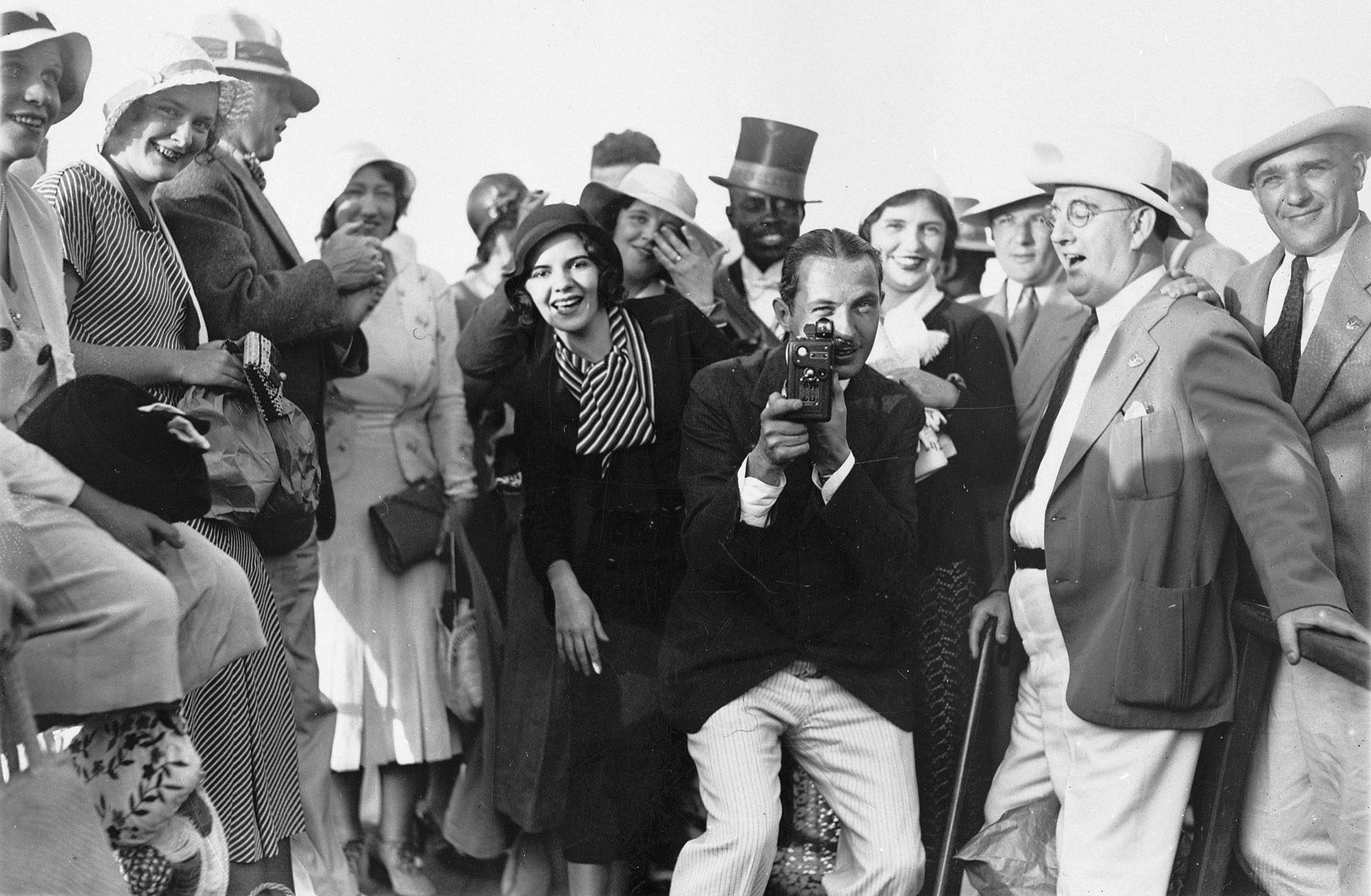
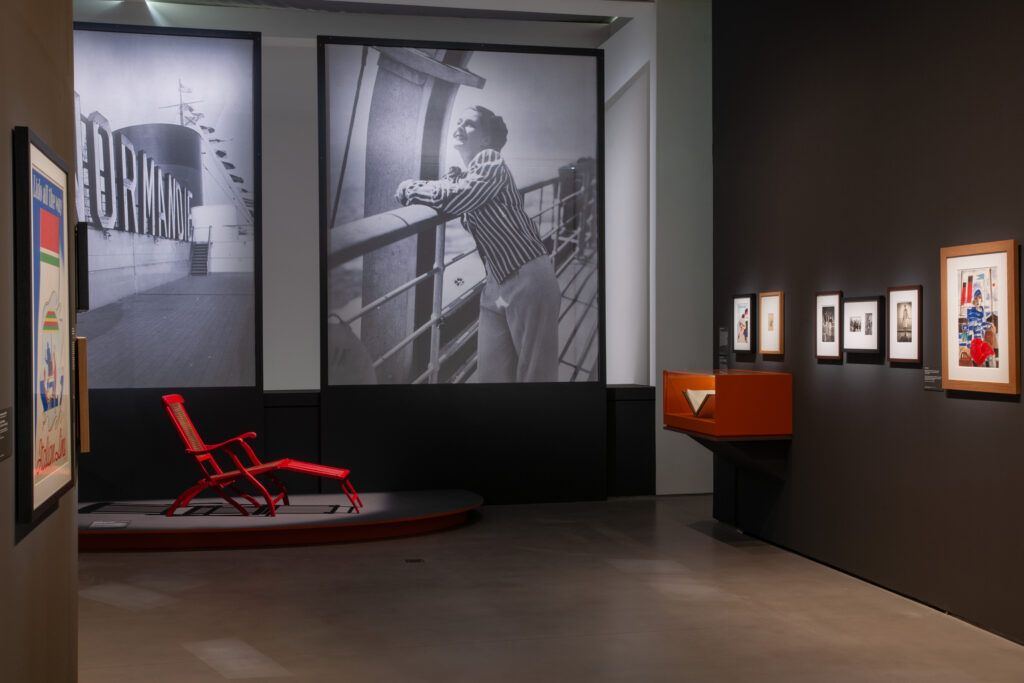
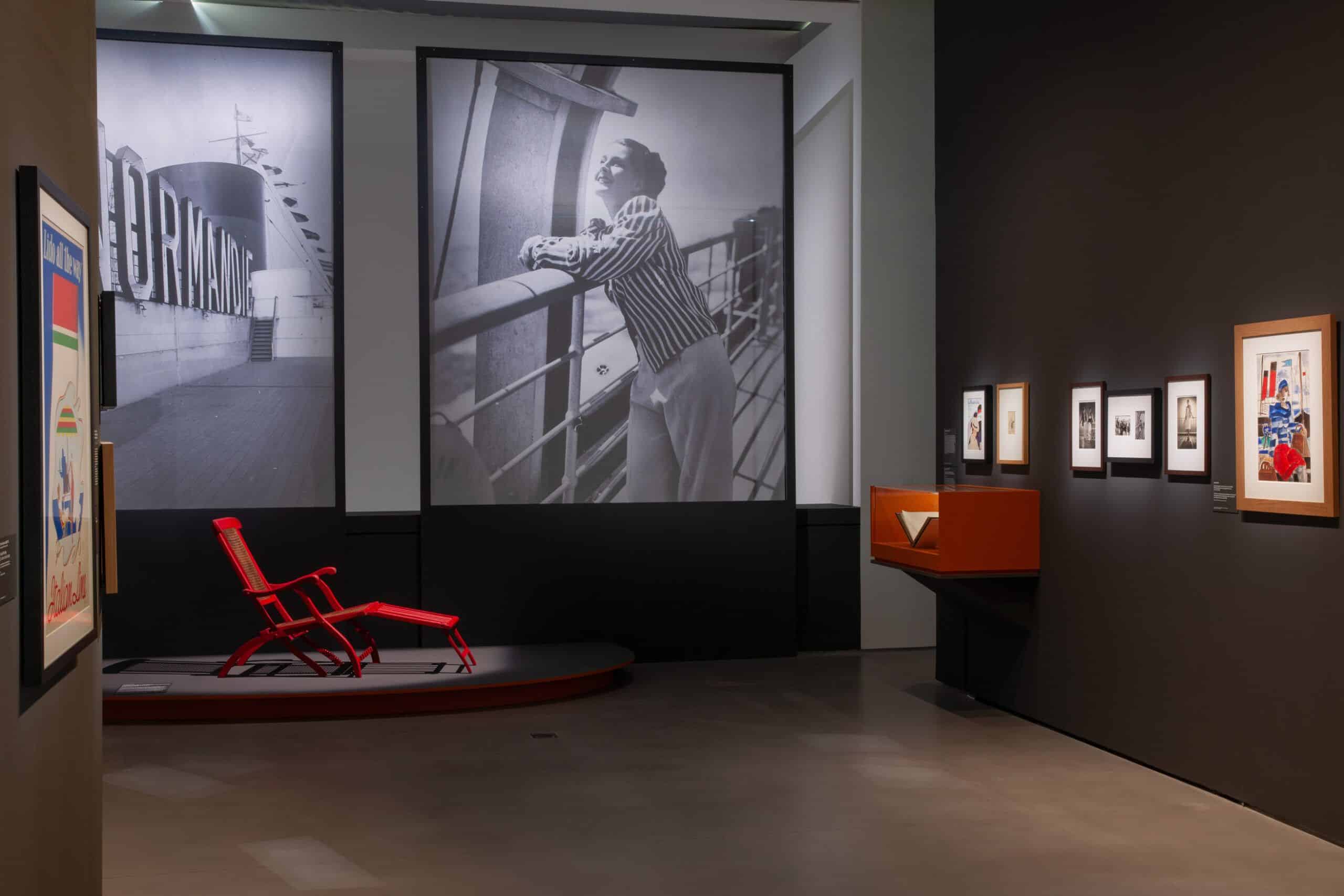
On board, a micro society is created, bringing together travelers from the most affluent to the most modest. People dress up for evening outings, stroll the decks, lounge on deckchairs and even play games.
The crossing became a meeting place, particularly for avant-garde artists such as Marcel Duchamp and Fernand Léger. Painters, writers, photographers... all drew inspiration for their work from the richness of these encounters.
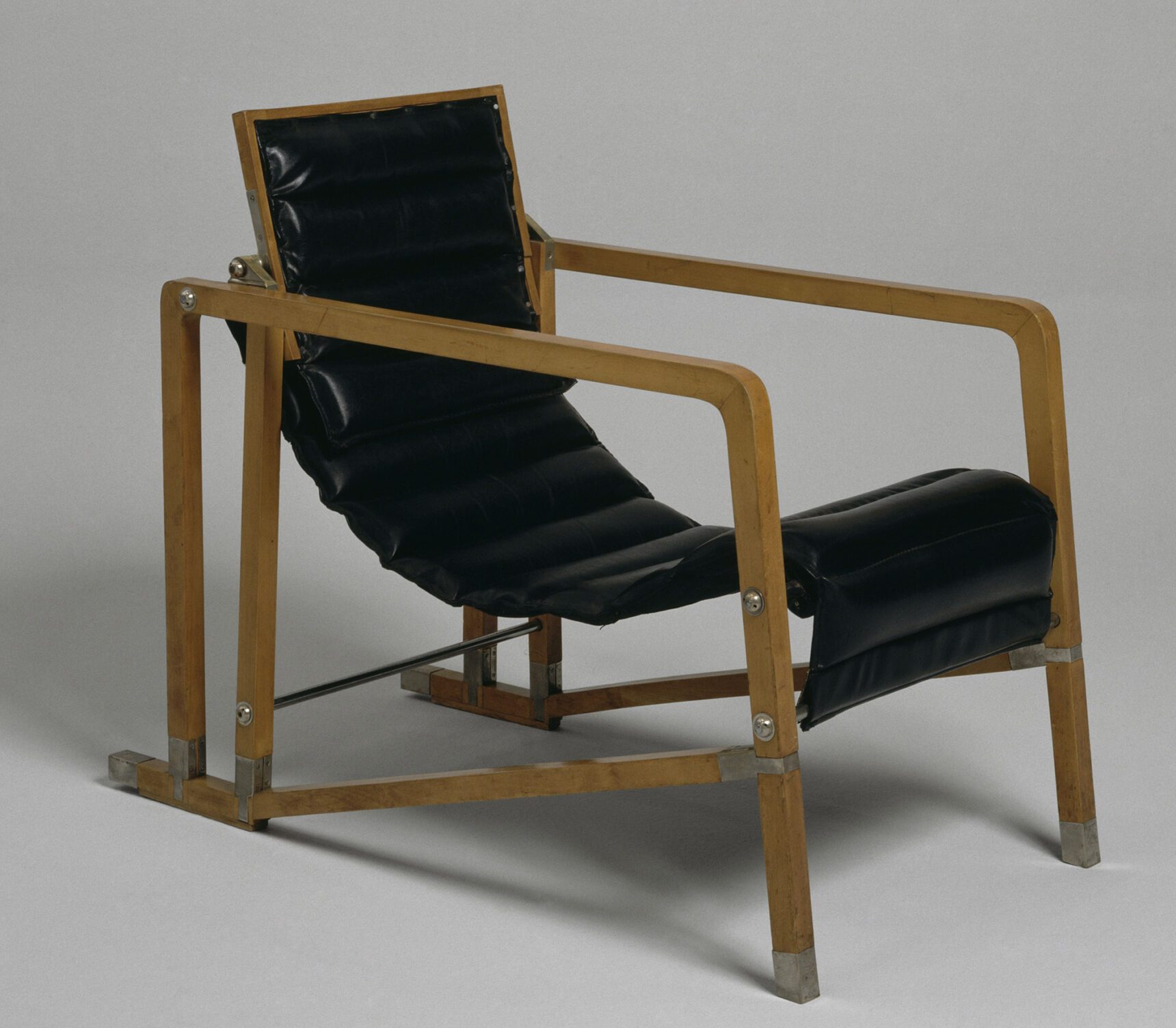
Eileen Gray, Transat armchair, 1926-1929.
Traversées... in the projection room
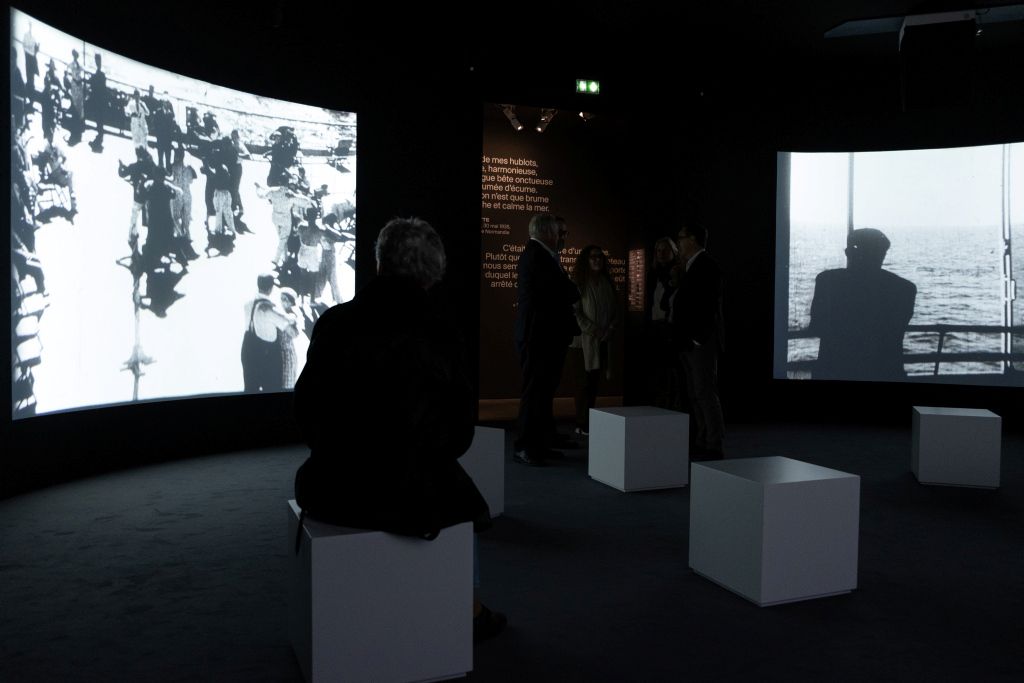
Experience ocean liner travel as if you were on board! In an immersive space, projections, quotes, images, amateur documentaries and excerpts from Hollywood films plunge you into a voyage full of encounters and solitude, calm and storm, silence and the hubbub of machinery.
Ten minutes to grasp this crossing that left its mark on the imagination of the Roaring Twenties.
-
In photos
-
On video
Video pitch
Sophie Lévy, director of the Musée d'arts de Nantes, curator and co-curator of Paquebots 1913-1942. A Transatlantic Aesthetic, gives us a brief overview of the exhibition.

-
Catalog and books about the exhibition
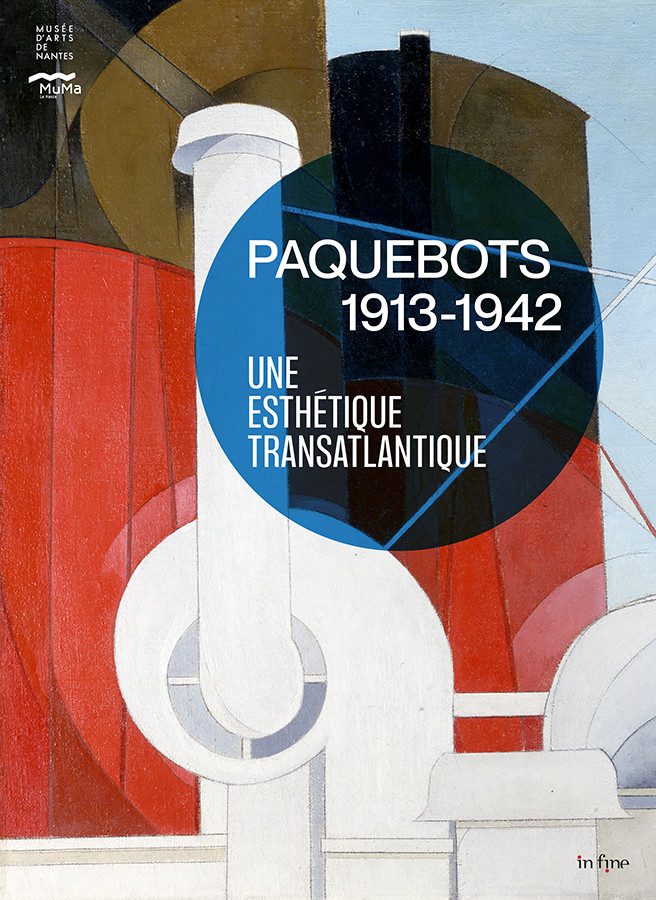
Catalog published for the exhibition Paquebots 1913-1942. A Transatlantic Aesthetic presented at the Musée d'arts de Nantes from October 25, 2024 to February 23, 2025, then at the MuMa - Musée d'Art moderne André Malraux in Le Havre from April 5 to September 21, 2025.
Co-publications Musée d'arts de Nantes, MuMa and In Fine
Available for consultation at the museum library, and on sale at the museum bookshop-boutique.
Books selected by the museum library
The museum library has prepared a selection of books to accompany the exhibition Ocean liners 1913-1942. A transatlantic aesthetic. You can consult them at the library by appointment.



Police station
Adeline Collange-Perugi, curator in charge of ancient art collections at the Musée d'arts de Nantes.
Sophie Lévy, curatorial director of the Musée d'arts de Nantes.
Clémence Poivet-Ducroix, curatorial assistant at the MuMa - Musée d'art moderne André Malraux in Le Havre.
The exhibition is co-produced with MuMa, André Malraux Museum of Modern Art Le Havre, where the exhibition will run from April 5 to September 21, 2025.
It is designed in exceptional partnership with Écomusée - Escal'Atlantic, Saint-Nazaire Agglomération Tourisme.

The Musée d'arts de Nantes would like to thank its sponsors, Chantiers de l'Atlantique and LNA Santé, for their substantial financial support of the exhibition, as well as the Fonds Métropolitain pour la Culture.


The museum would like to thank the French government - Ministère de la Culture - DRAC des Pays de la Loire - for subsidizing the exhibition.
The museum warmly thanks its media partners who, through their support, contribute to
actively contribute to the public's discovery of and use of the exhibition.