
-
The exhibition
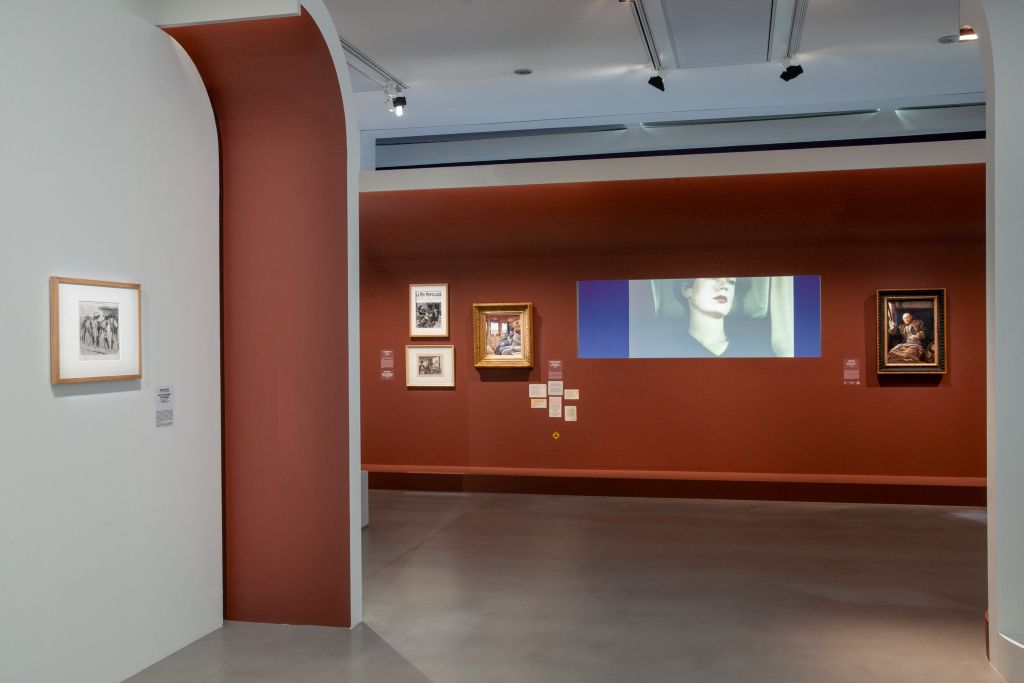
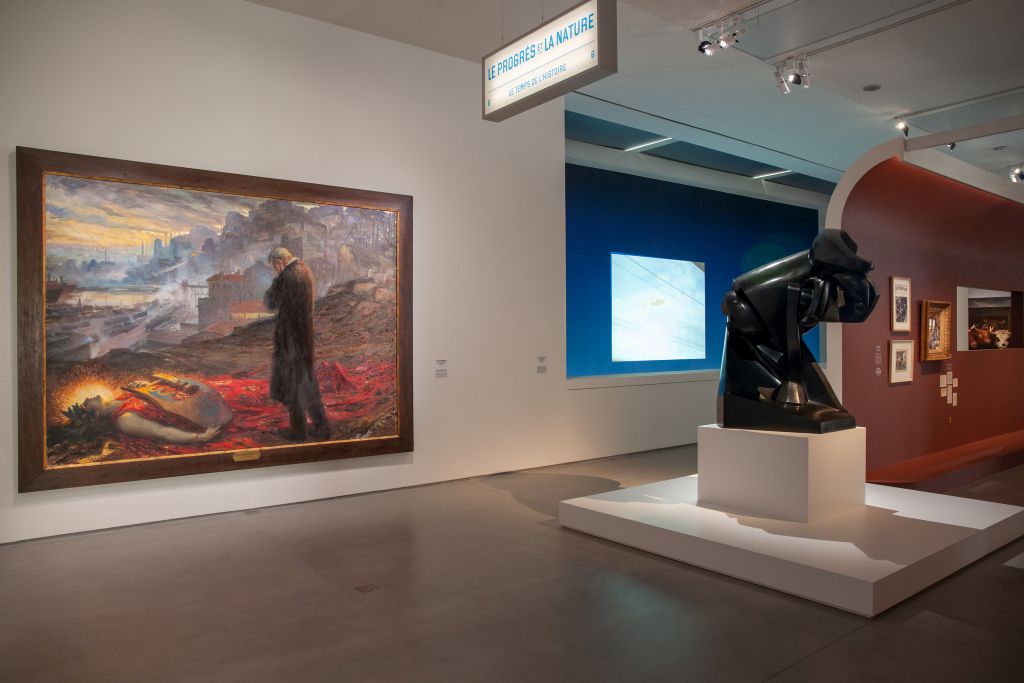
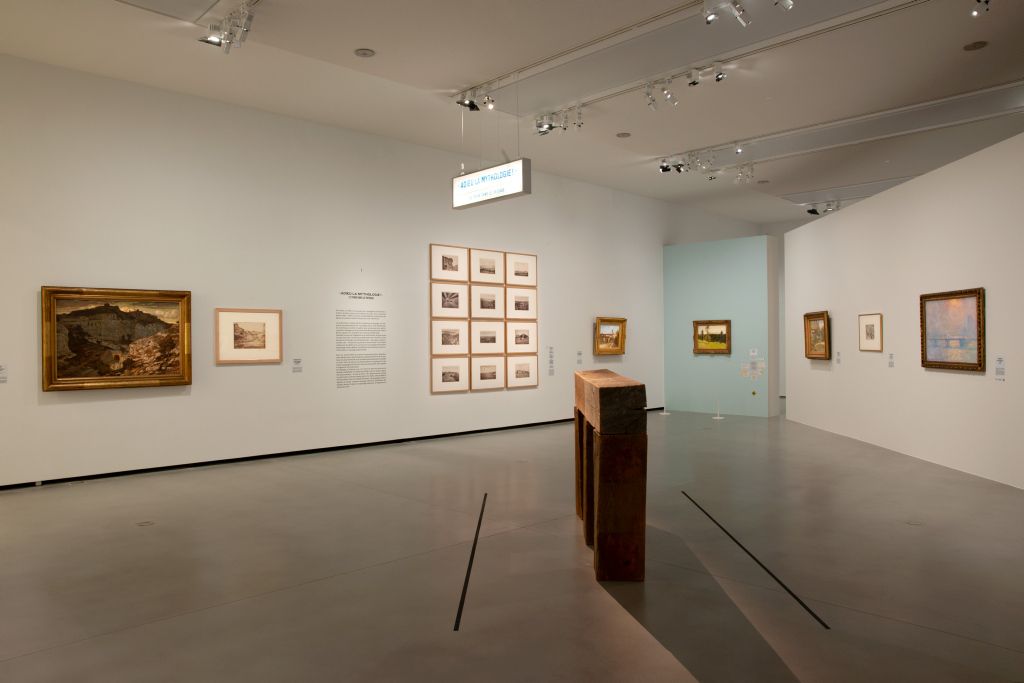
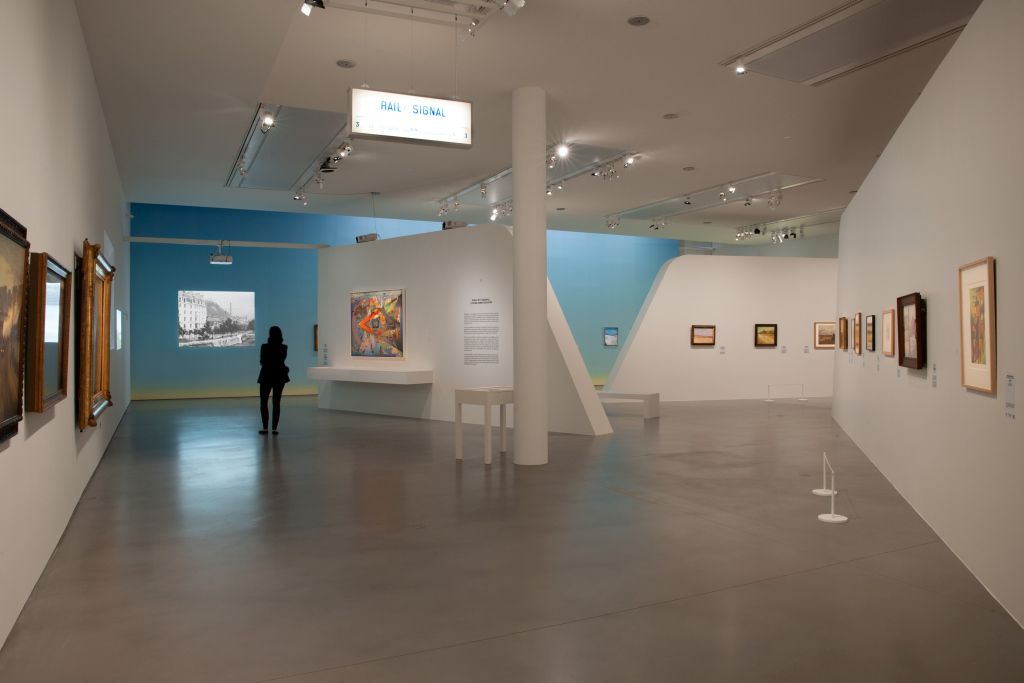
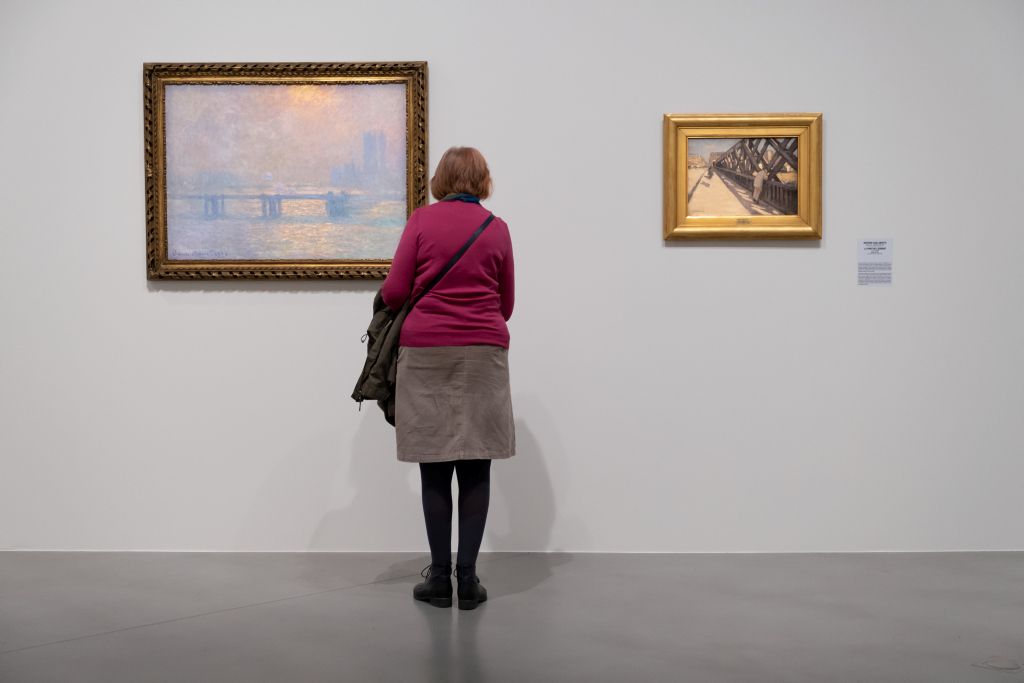
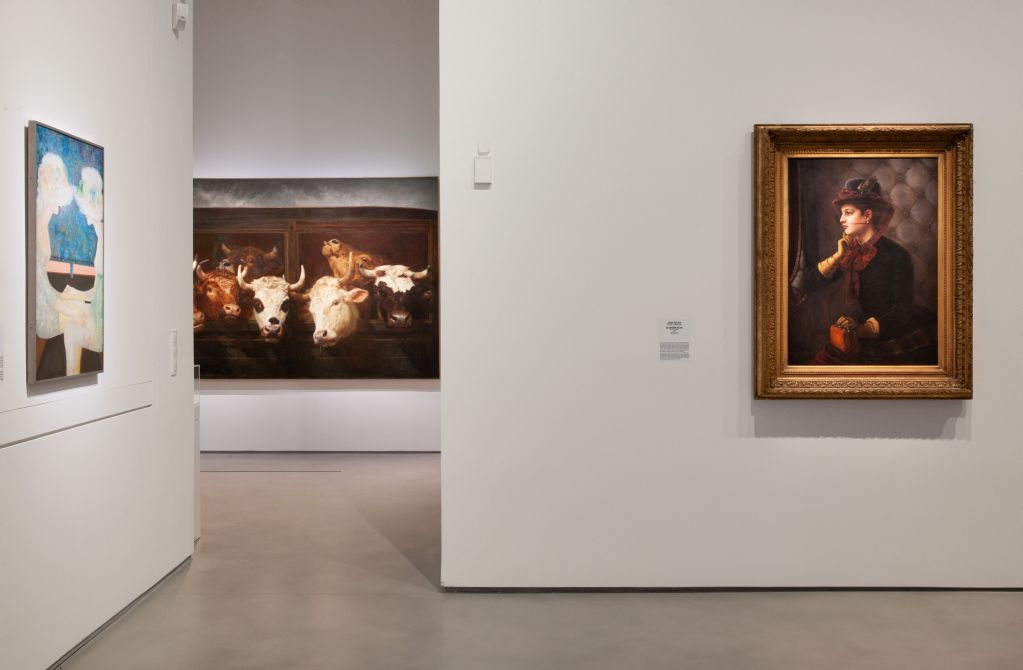
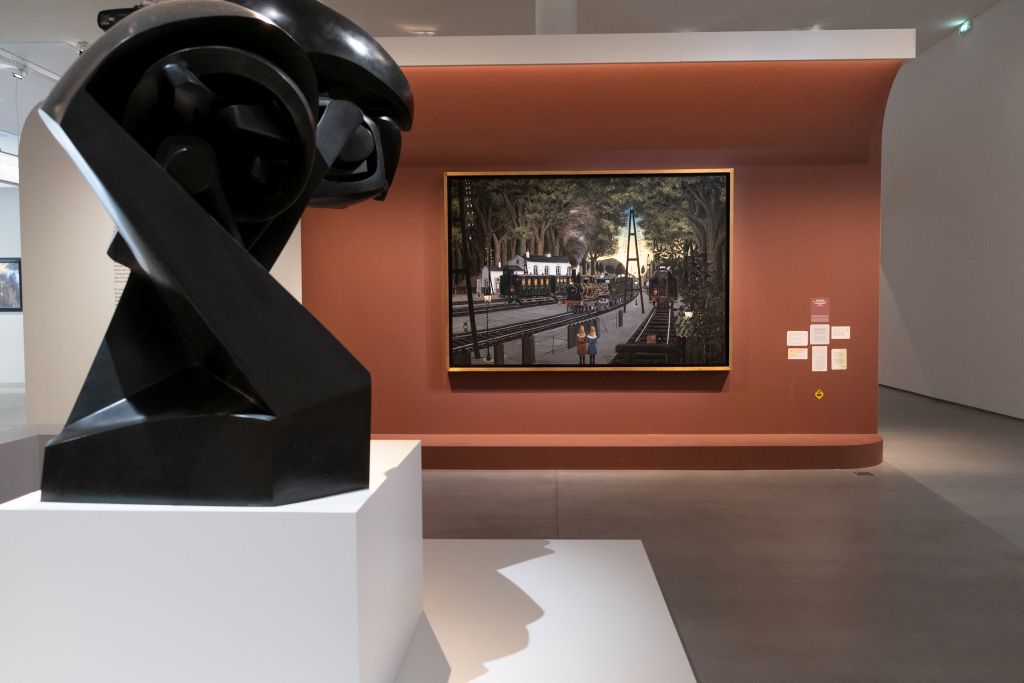
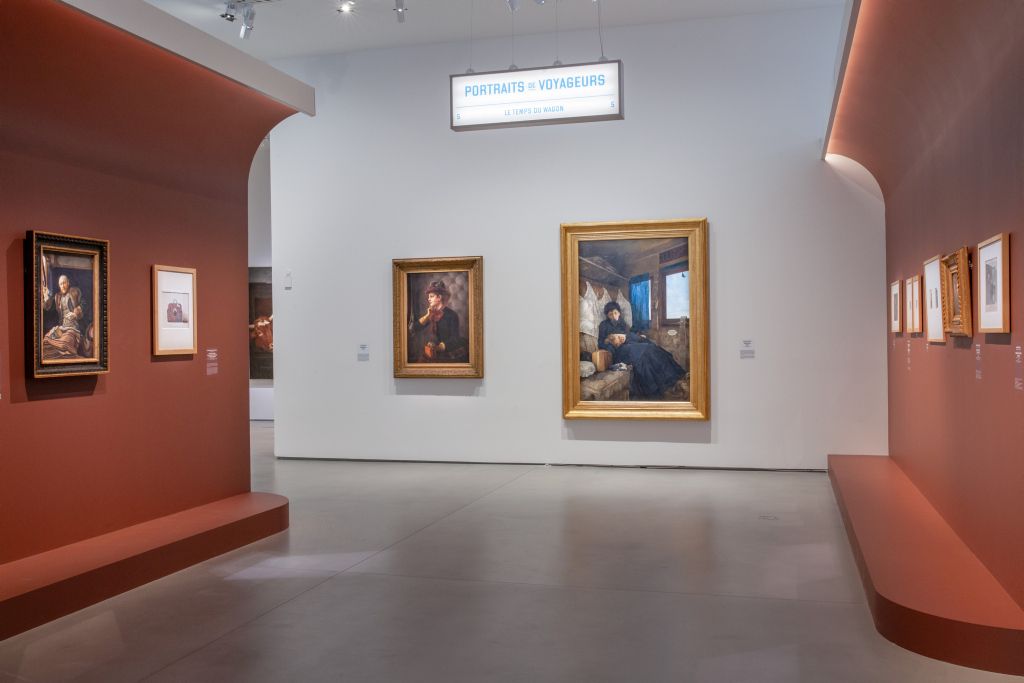
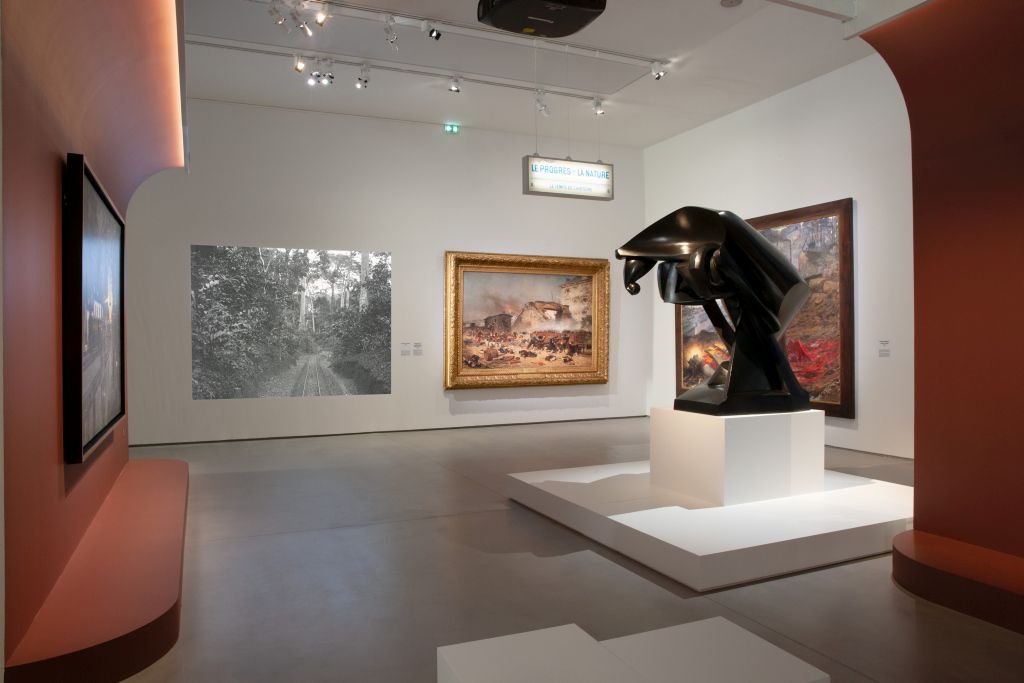
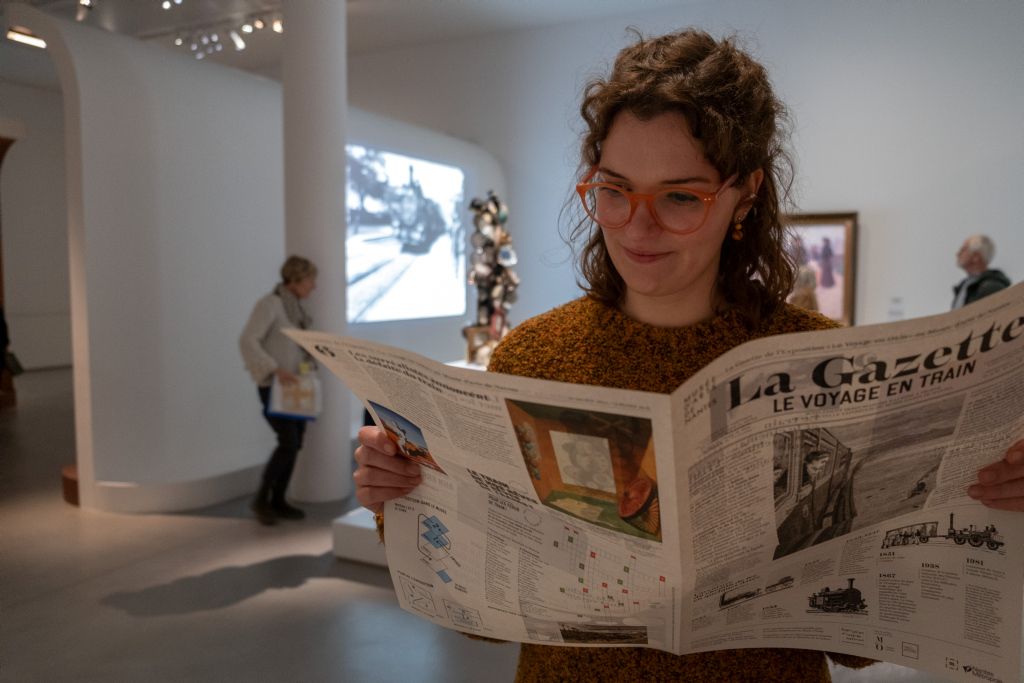
In the mid-19th century, the rise of the railroad profoundly altered our perception of time and space. With around a hundred works from different periods, including many masterpieces, the museum invites you to discover how artists viewed this great technological invention.
Tissot, Monet, van Gogh, Dali... the exhibition benefits from the exceptional support of the Musée d'Orsay and features masterpieces on loan from prestigious public and private collections (National Gallery in London, Centre Pompidou...).
The exhibition is divided into two parts:
On the1st floor of Le Cube: crossing the landscape
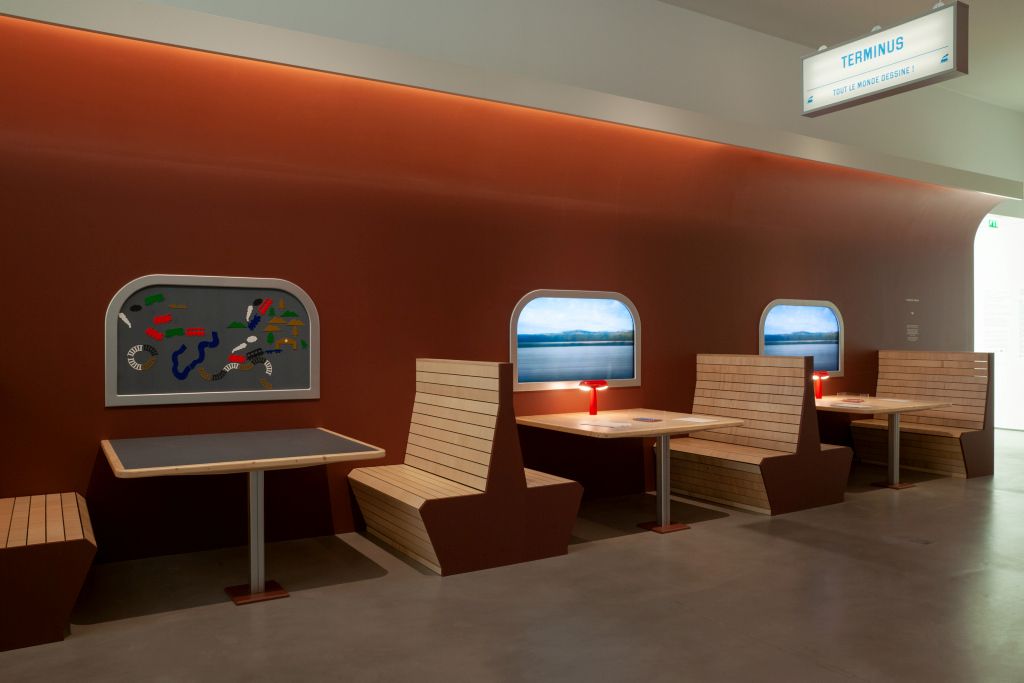
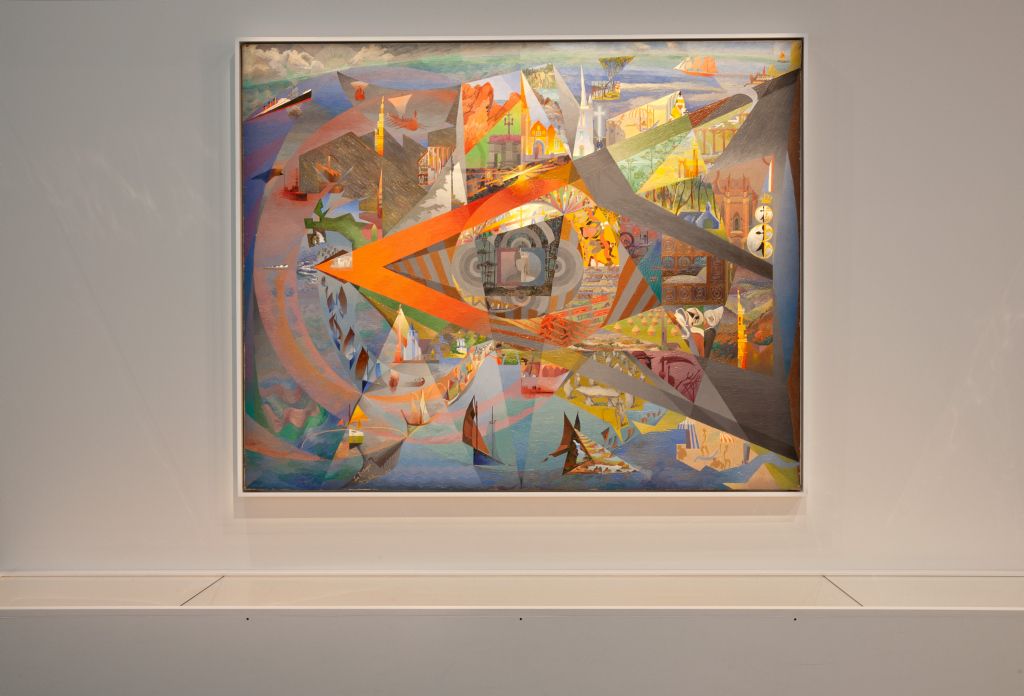
The steaming locomotive and its carriages travel through town and country, fascinating passers-by and artists alike. As the journey progressed, the landscape changed, stretching and unfolding, inspiring numerous painters and photographers. The universal language of railway signals gradually found its way into paintings, in particular the disc, which became a recurring symbol in modern art.
The train in the landscape, the landscape as seen from the train, or the graphic landscape of railway signals: these are just some of the ways in which the landscape was transformed by the arrival of the railway.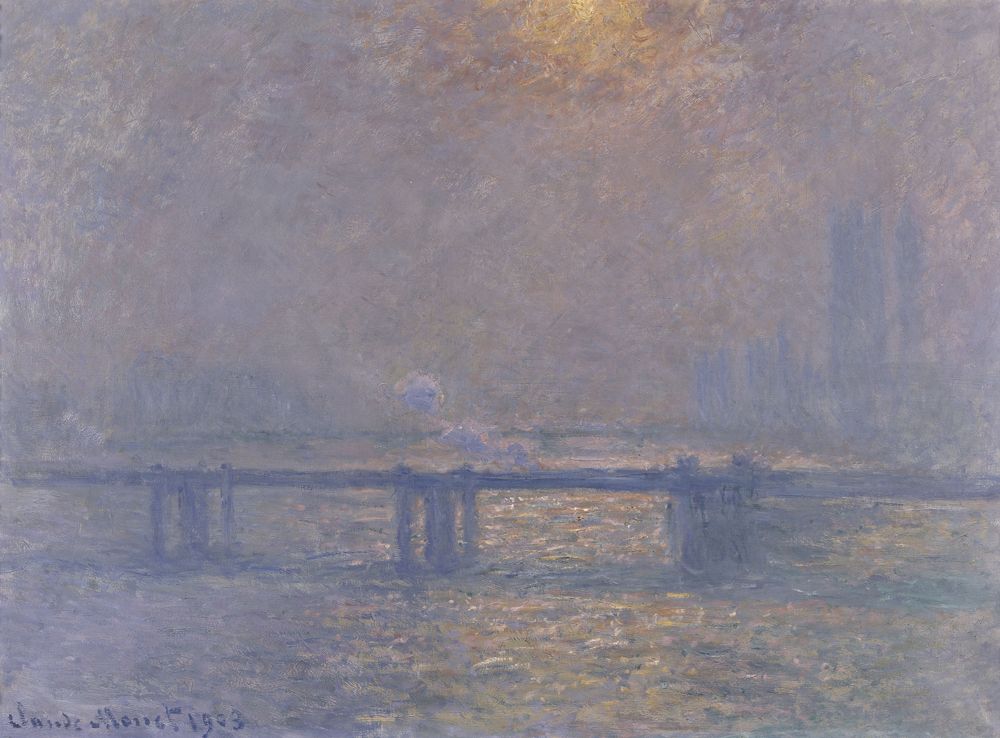
Claude Monet, Charing Cross Bridge, The Thames, 1903. Lyon, Musée des Beaux-Arts de Lyon, photo: © RMN-Grand Palais / René-Gabriel Ojeda 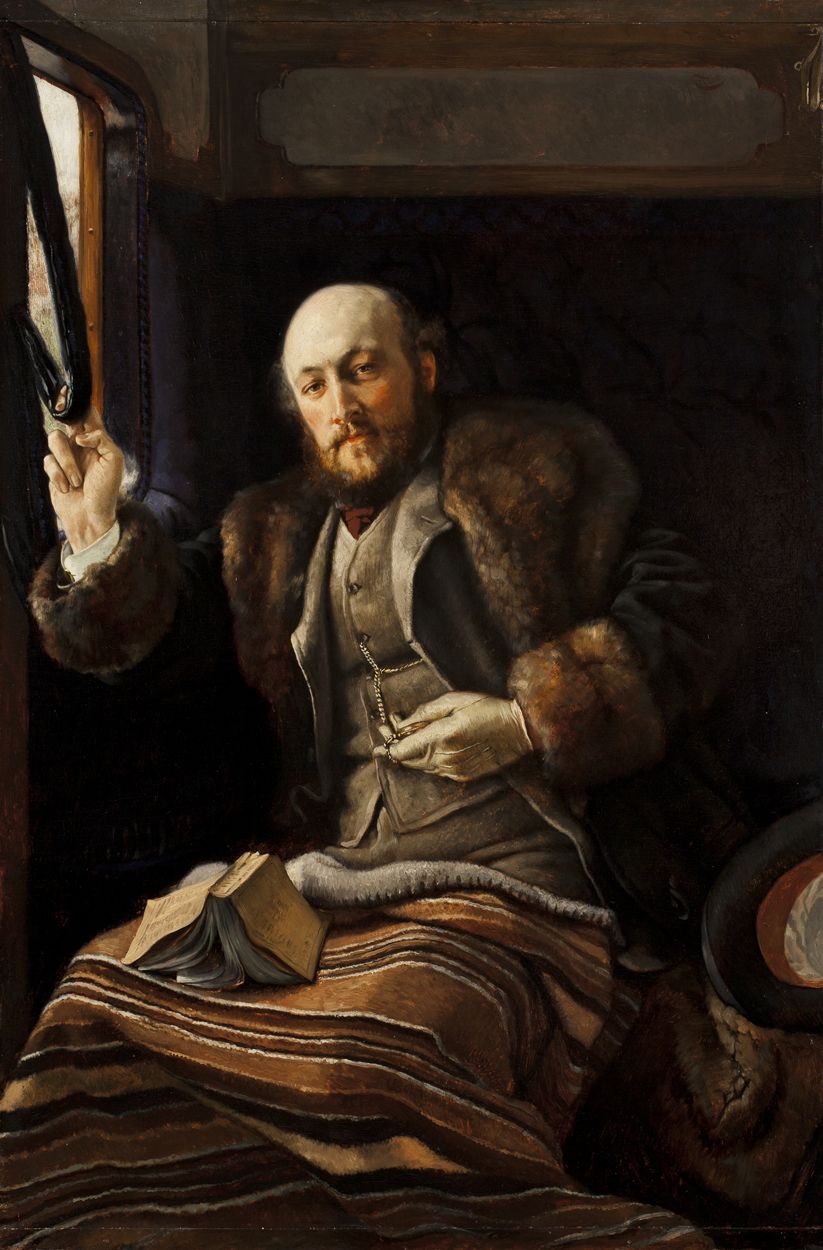
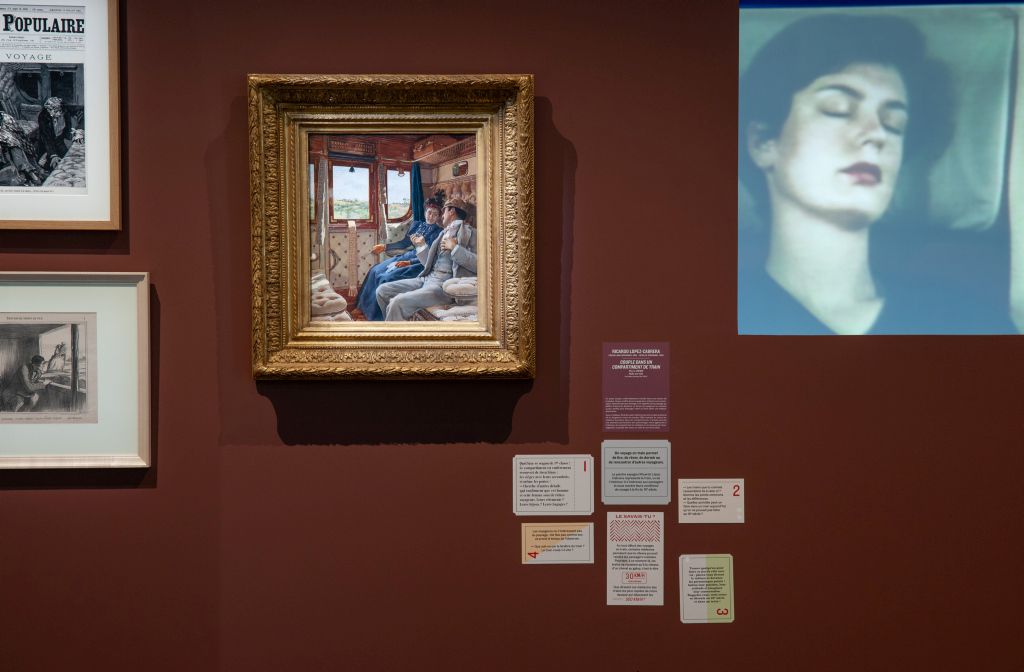
James Tissot, Gentleman in a railway carriage, 1872. Worcester Art Museum, photo: © Worcester Art Museum / Bridgeman Images On the2nd floor of Le Cube: time and counter-time
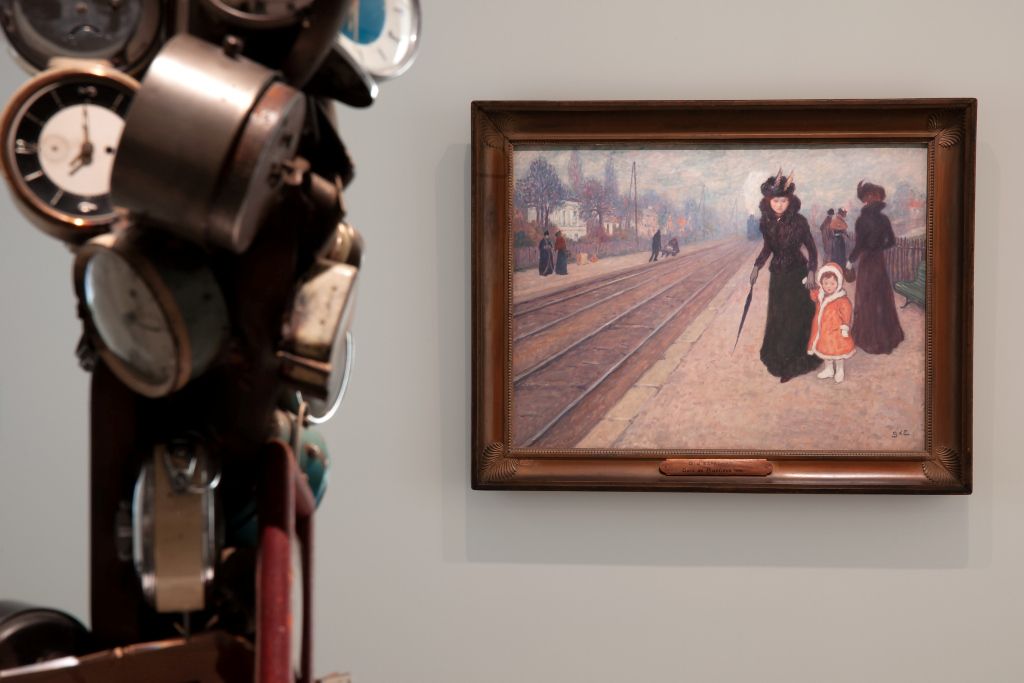
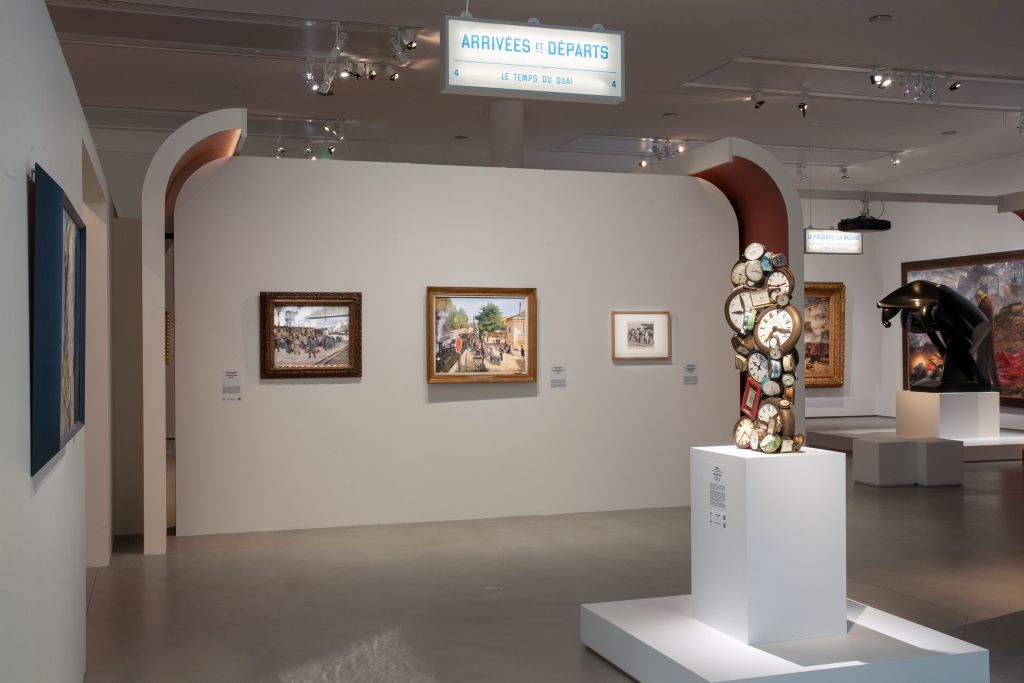
The exhibition also explores the impact of this new mode of transport on the way artists perceive and represent time. After staring at the station clocks, passengers find themselves in the carriages, cut off from the world. They let themselves drift off into daydreams, or are seized by the power of the machine.
Time on the platform, time in the carriage and time in history: all these temporalities are inseparable from train travel.Model of a moving train... behind the horizon
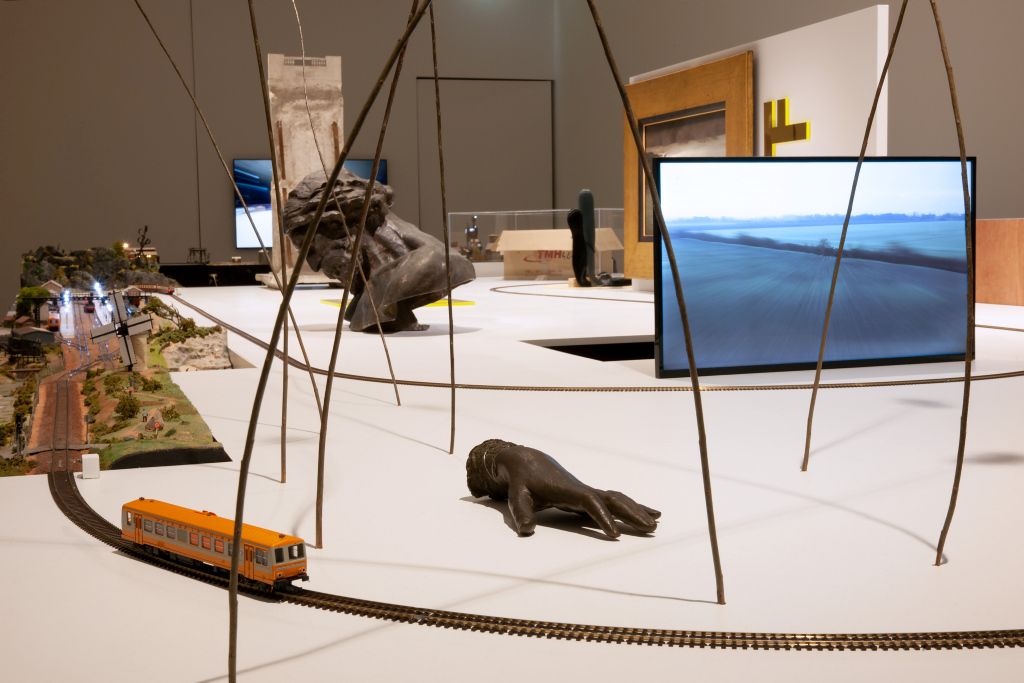
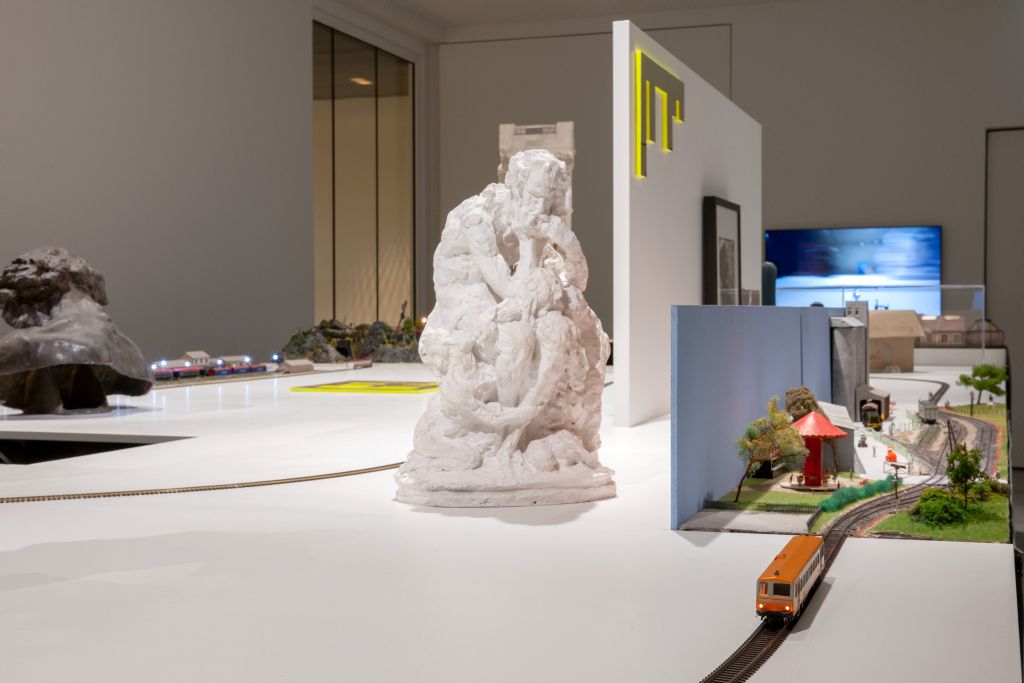
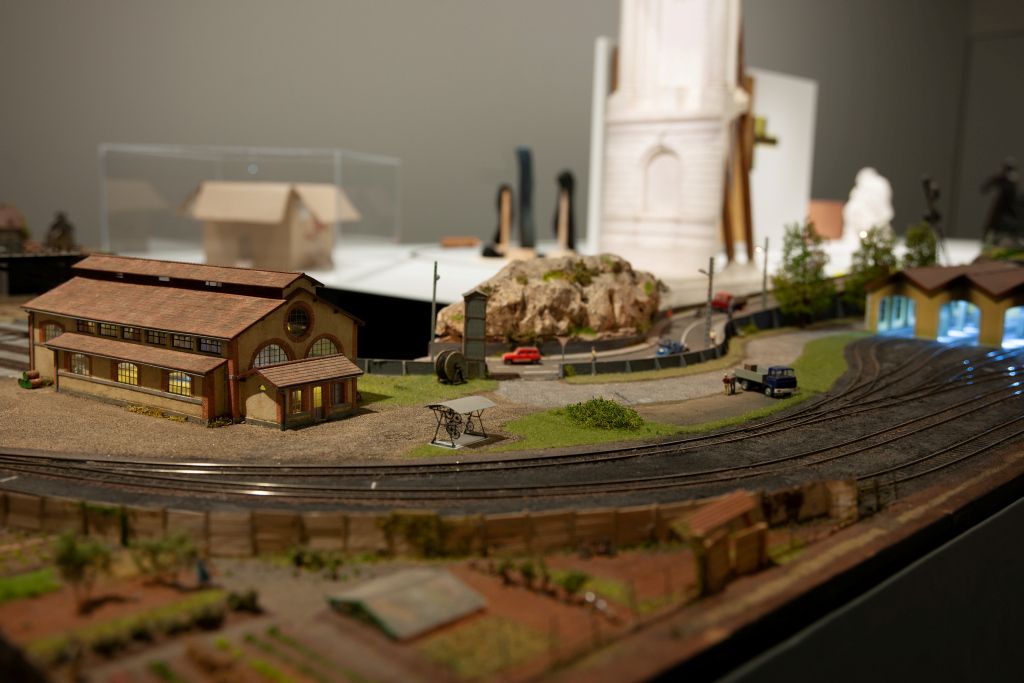
The exhibition is completed in the Salle Blanche by a contemporary installation by artist Corentin Leber. He has imagined a large scale model in which a train moves and escapes from the set, snaking its way behind the horizon, into an imaginary landscape composed of a dozen works of art.
-
Corentin Leber
Behind the horizon
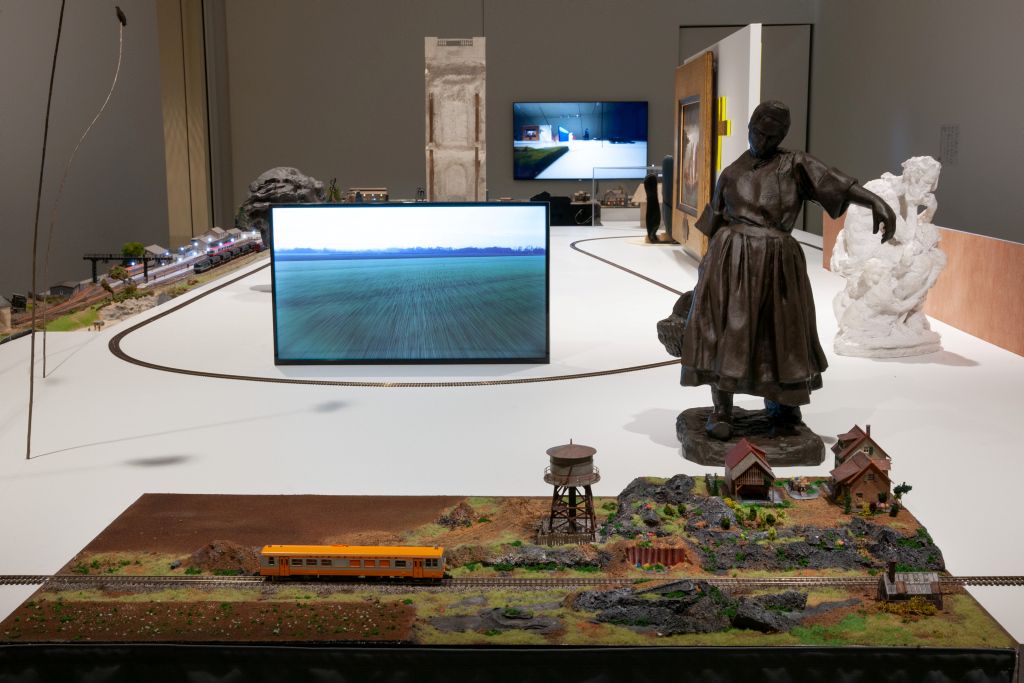
Echoing the exhibition, the Musée d'arts has invited artist Corentin Leber to imagine, in the Salle blanche, an installation that reinterprets the idea of landscape seen through the window.
In collaboration with Mini Rail Nantais, a model railroad club, he has created a large-scale model of a train running through a Loire landscape.
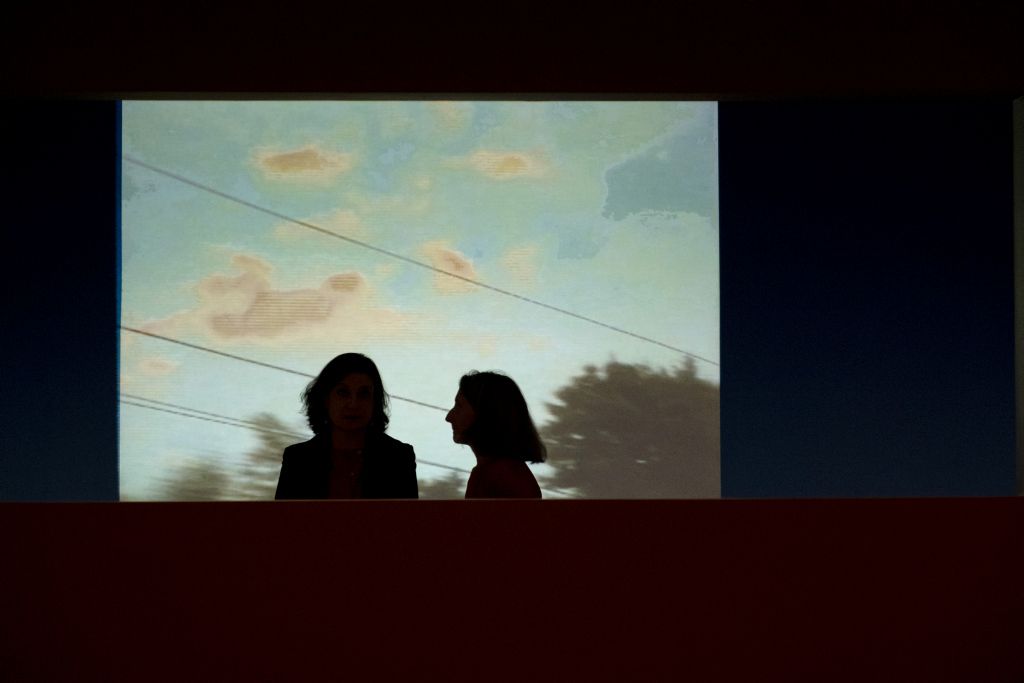
The train then escapes the model to meander behind the horizon, in an imaginary landscape composed of a dozen works belonging to the Musée d'arts collections or lent by contemporary artists for the occasion (Dorine Bernard, Julia Gault, Arthur Gusepon, Célia Nkala and Bettina Samson).A film and a sound piece created by Caroline Delhom capture, from inside the train, the fantasized experience of this journey, where proportions are turned upside down, and where the one who sees is sometimes the one who is seen.
What happens when the train passes "over the horizon"?
Corentin Leber
Interview with Corentin Leber and Jean-Rémi Touzet -
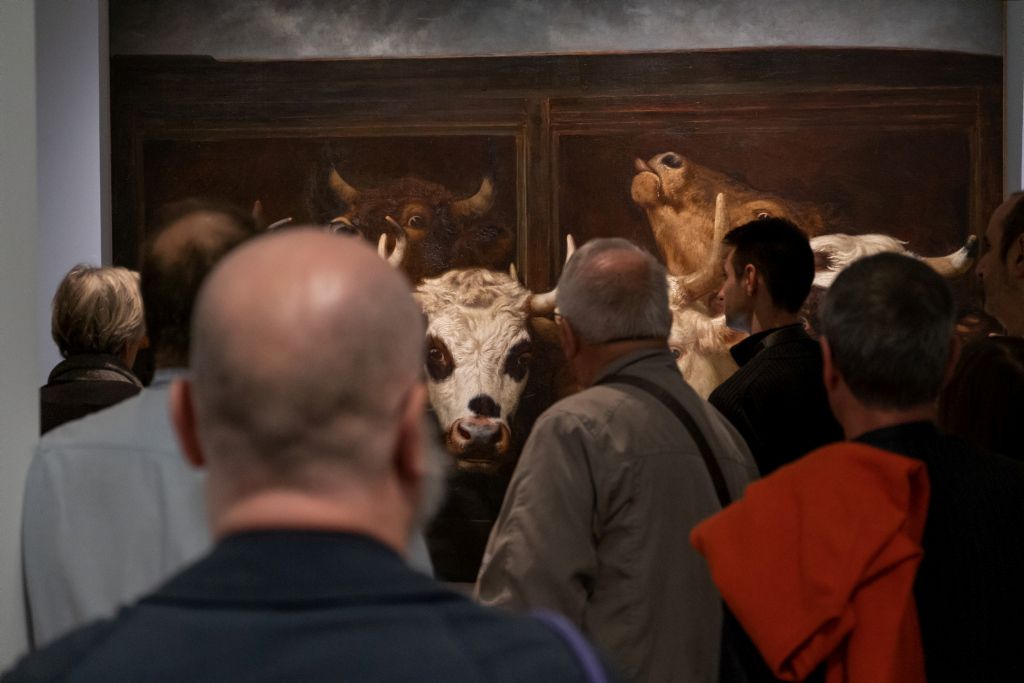
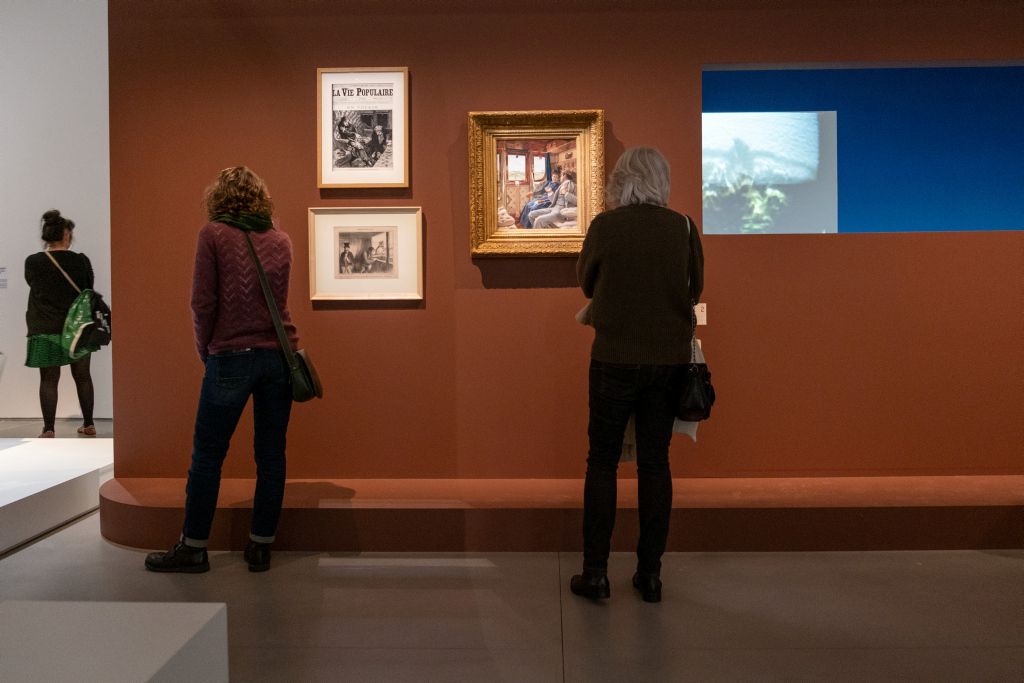
In photos
-
In sound
Sound travels
Take an immersive sound journey through the works in the Le Voyage en train exhibition.
Headphones or earphones essential.Sound capsules using binaural sound technology, produced by Fabsonic.
No verbatim transcript available.
Travelogues
With author and storyteller Pierre Desvigne, join the imaginary stories of the passengers in the Le Voyage en train exhibition.
No verbatim transcript available.
Podcast "Once upon a time..."
With Rails & histoire Nouvelle fenêtre - Association pour l'histoire des chemins de fer -, join us for the "Il était une voie" podcast episode devoted to the Le Voyage en train exhibition.
In this episode, Sylvère Aït Amour, the association's cultural manager, travels with Jean-Rémi Touzet, exhibition curator and curator in charge of the museum's 19th-century collection.
-
Virtual tour
From the historical journey in the Cube to Corentin Leber's installation in the Salle blanche, immerse yourself in the atmosphere and works of the exhibition Le Voyage en train, mouse in hand, and discover videos, texts, visuals of works... For a journey through the exhibition (almost) as if you were there!
Corentin Leber
Immerse yourself in the atmosphere of Corentin Leber's installation in the Sablle blanche, designed for the Le Voyage en train exhibition.
Virtual tour supported by the Direction régionale des affaires culturelles (DRAC) des Pays de la Loire.
-
Exhibition catalog
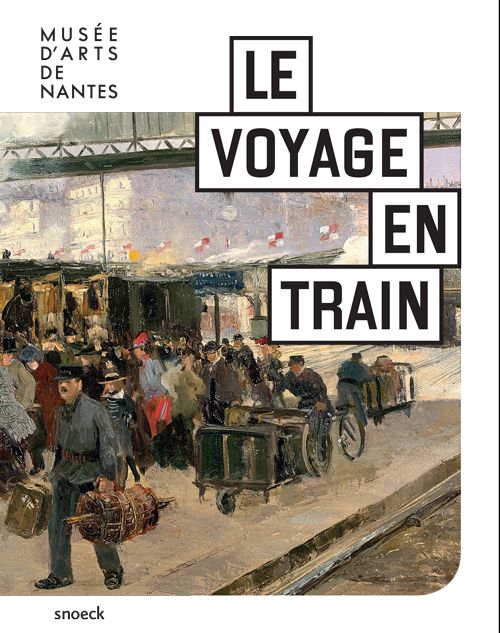
Cover of the Le Voyage en Train exhibition catalog. Catalog published for the exhibition Le Voyage en train, presented at the museum from October 21, 2022 to February 5, 2023.
Available for consultation at the museum library and bookshop.

General curator:
Sophie Lévy, curatorial director of the Musée d'arts de Nantes.
Scientific curator:
Jean-Rémi Touzet, curator in charge of the 19th-century collections at the Musée d'arts de Nantes.
This exhibition is recognized as being of national interest by the French Ministry of Culture.. As such, it benefits from exceptional financial support from the French State. The Musée d'arts de Nantes warmly thanks the French Ministry of Culture.
The Musée d'arts de Nantes thanks the Musée d'Orsay for its exceptional support of the exhibition.
The Musée d'arts de Nantes thanks its corporate partners Alstom and SNCF Réseau for their substantial financial support of the exhibition.

The Musée d'arts de Nantes also thanks its partner Rails & History which contributes to the quality and visibility of the exhibition.
The museum also thanks its partner Discovery Trains for its support in promoting the exhibition.
The museum extends its warmest thanks to its media partners, whose support plays an active part in helping the public to discover the exhibition and to visit it.


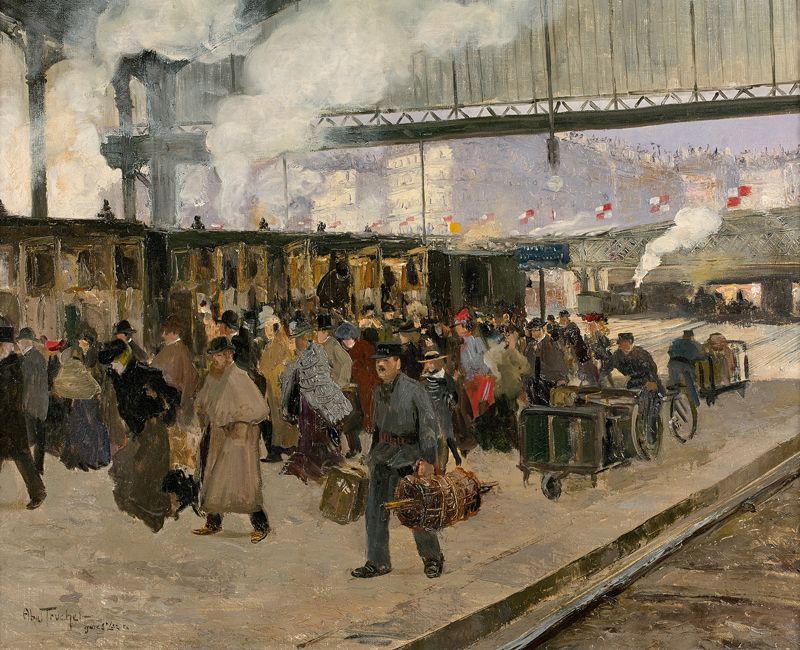
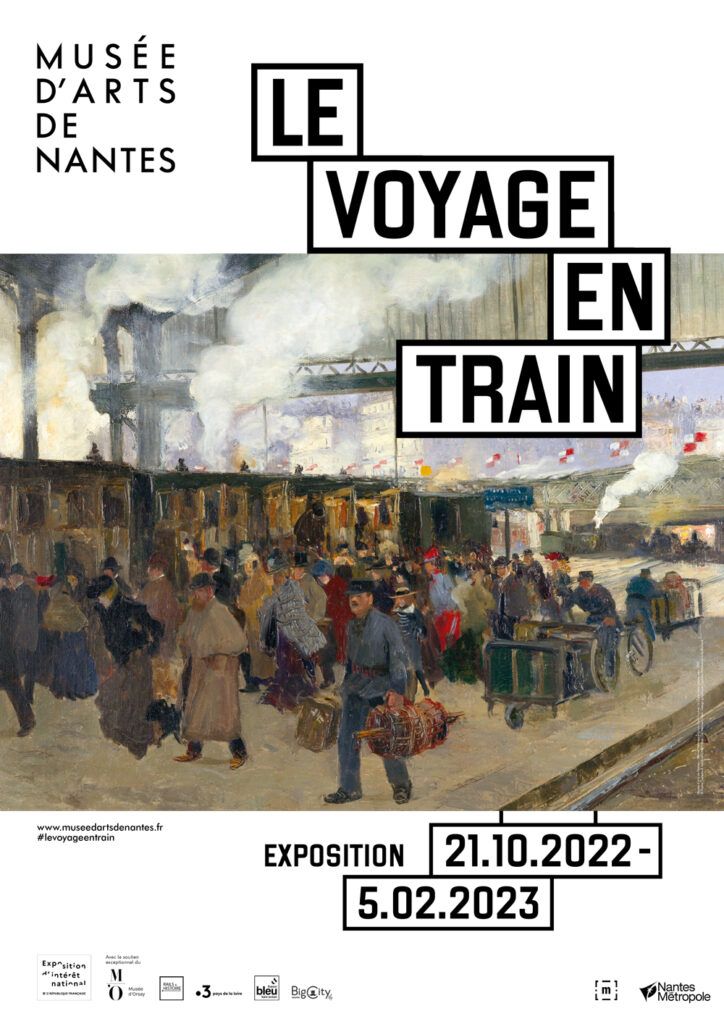
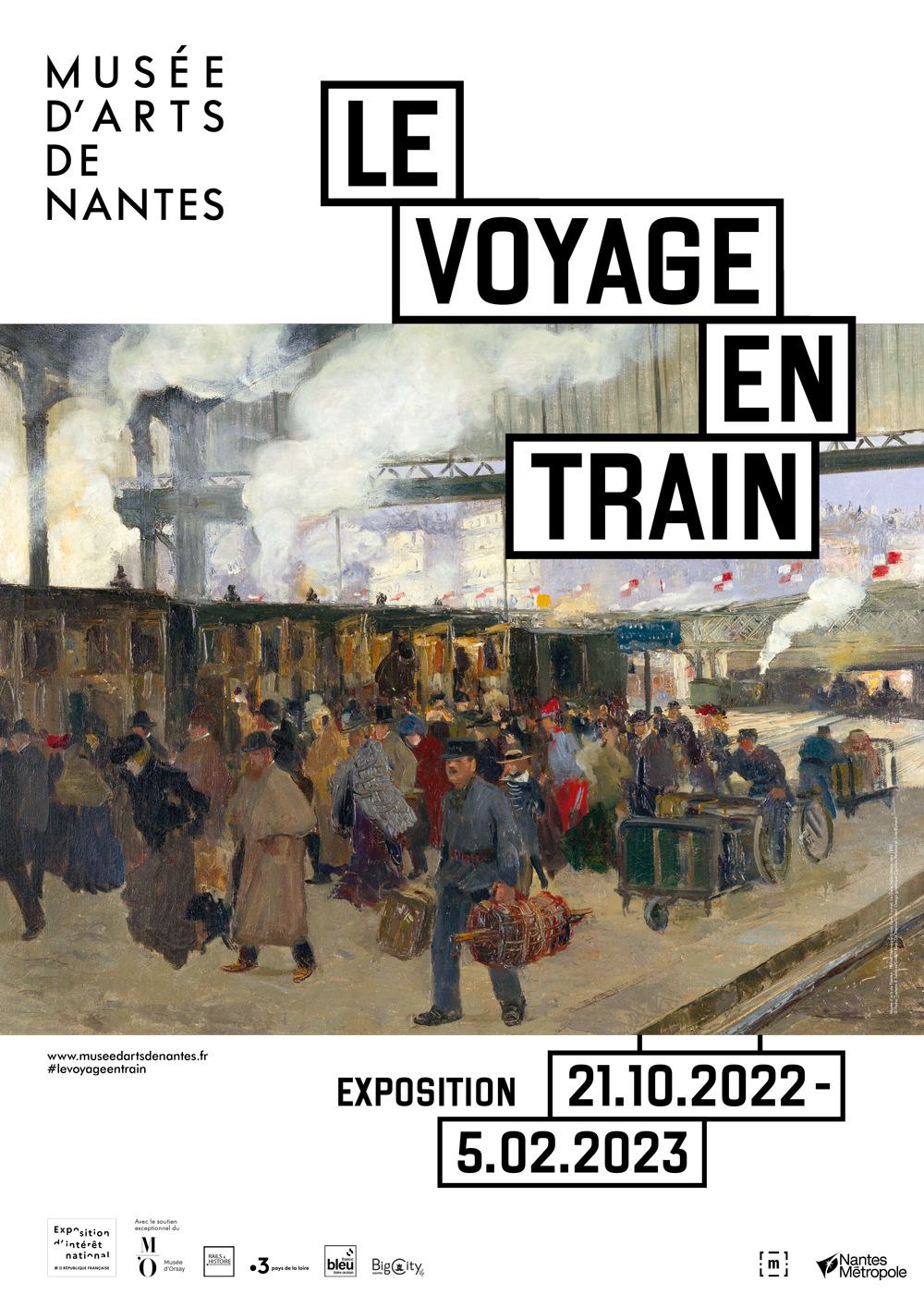
Caption and credits:
Louis Abel-Truchet, La Gare Saint-Lazare, circa 1892 Oil on canvas, 58.5 x 48 cm, private collection.