-
The exhibition
Hypnosis numbs, hypnosis frightens, hypnosis amuses. Hypnosis is not often seen in museums, probably for all three reasons. Yet hypnosis is omnipresent, whether deliberately or unconsciously, in the field of creation. From Gustave Courbet to Auguste Rodin, from Salvador Dalí to Fritz Lang.
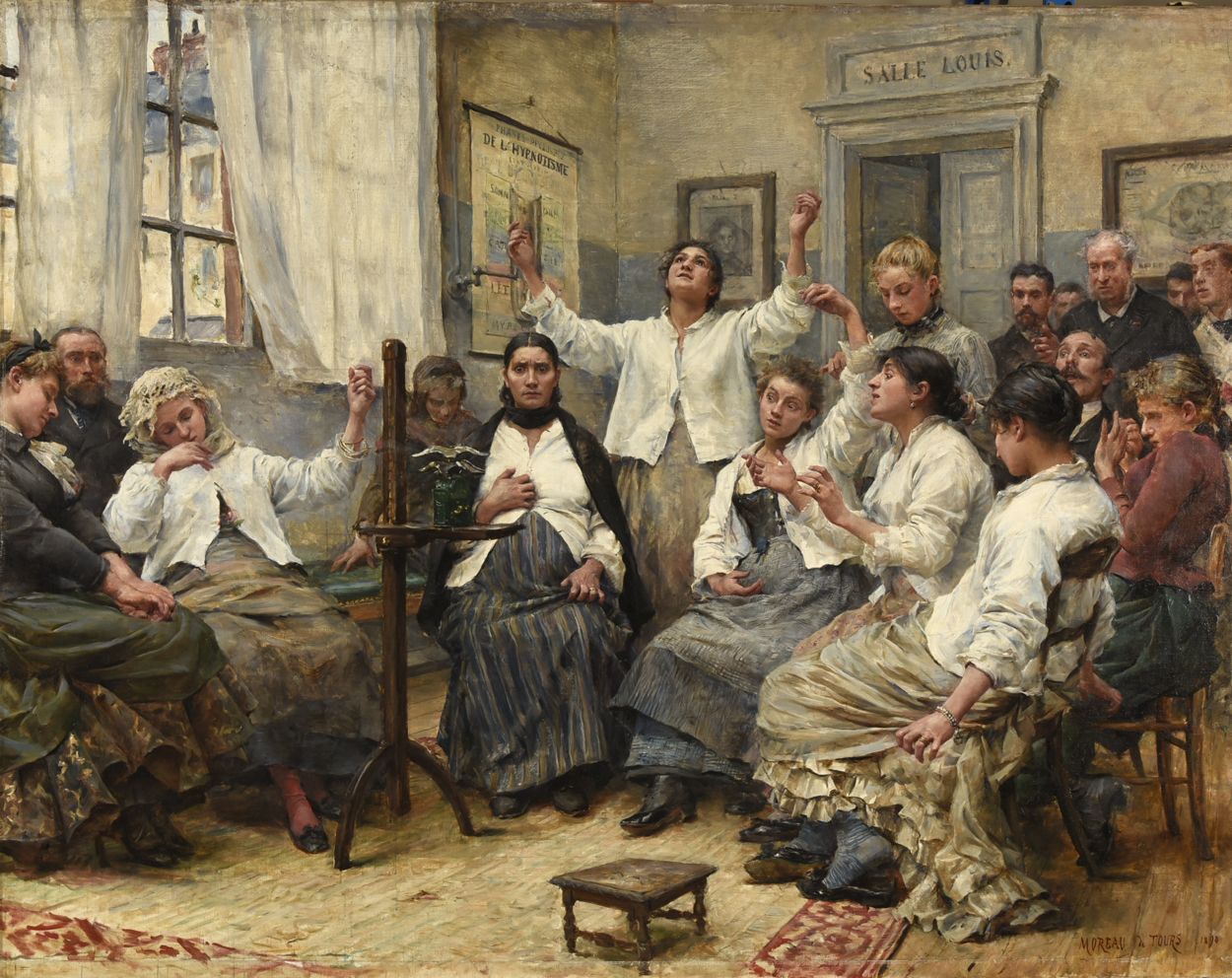
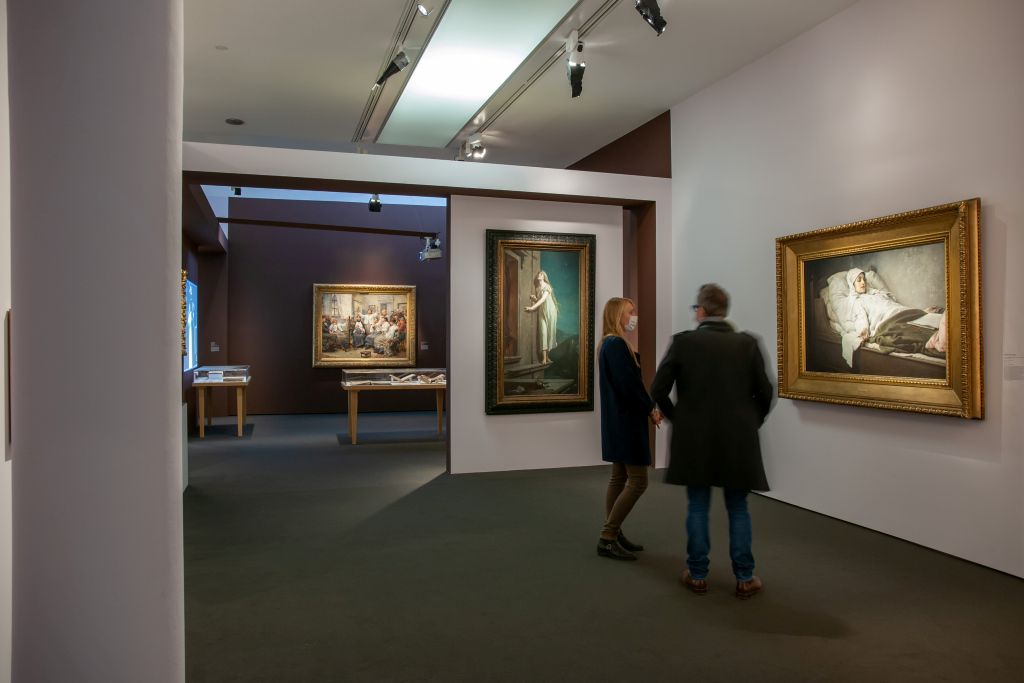
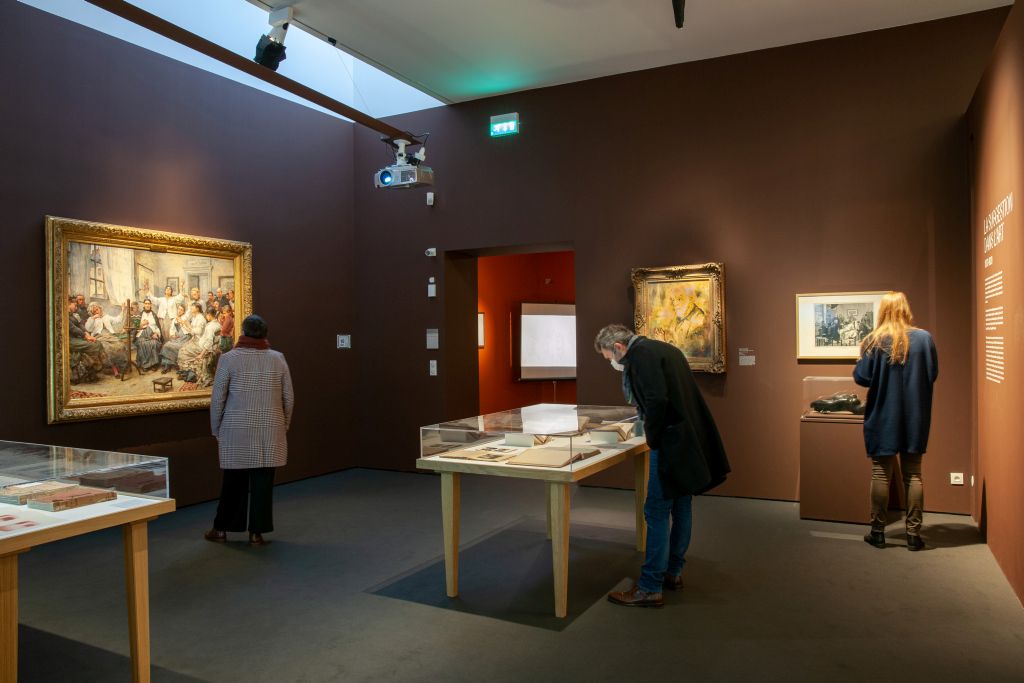
Georges Moreau de Tours, The Fascinated of Charity, 1890. Reims, Musée des Beaux-Arts © Reims, Musée des Beaux-Arts 2021 - photo Christian Devleeschauwer Today, hypnosis is enjoying a marked revival in scientific culture and popular imagination. But little attention is paid to its role in art. The Hypnosis exhibition explores, for the very first time, a cultural history of hypnotism from Mesmer to the present day, and the close links that artistic practices have maintained with hypnosis.
Situated at the crossroads of art history, the history of science and popular culture, Hypnosis covers the entire field of visual and performing arts: from painting to sculpture, cinema to performance, exploring the interest of visual artists, musicians and dancers in modes of transmitting emotion under altered states of consciousness.
The exhibition is divided into two parts:
The history and art trail in the Cube, level -1
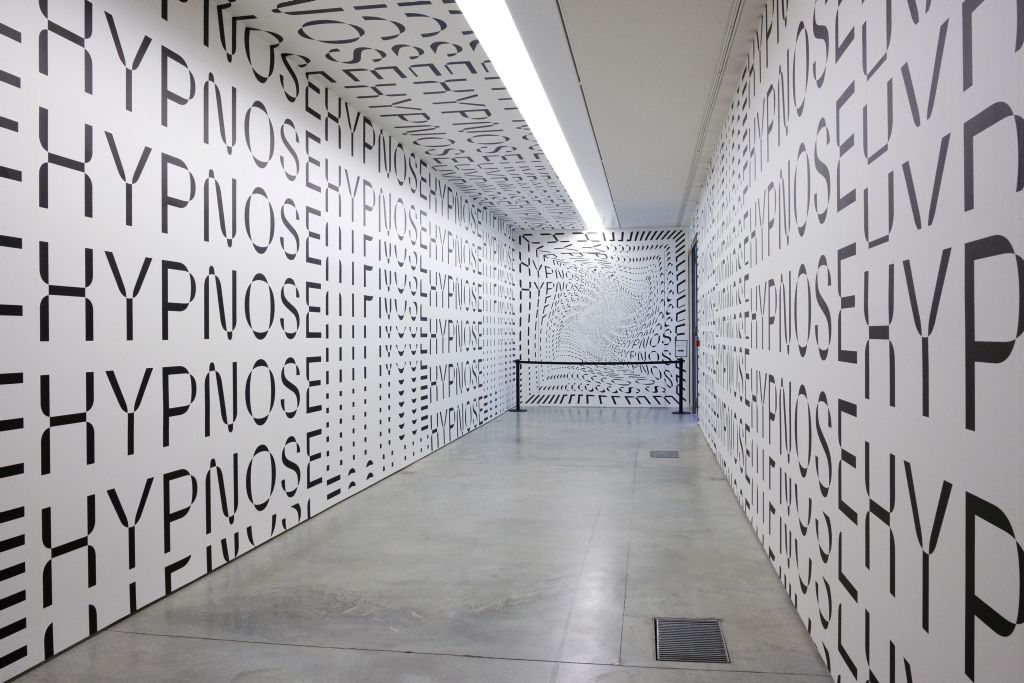
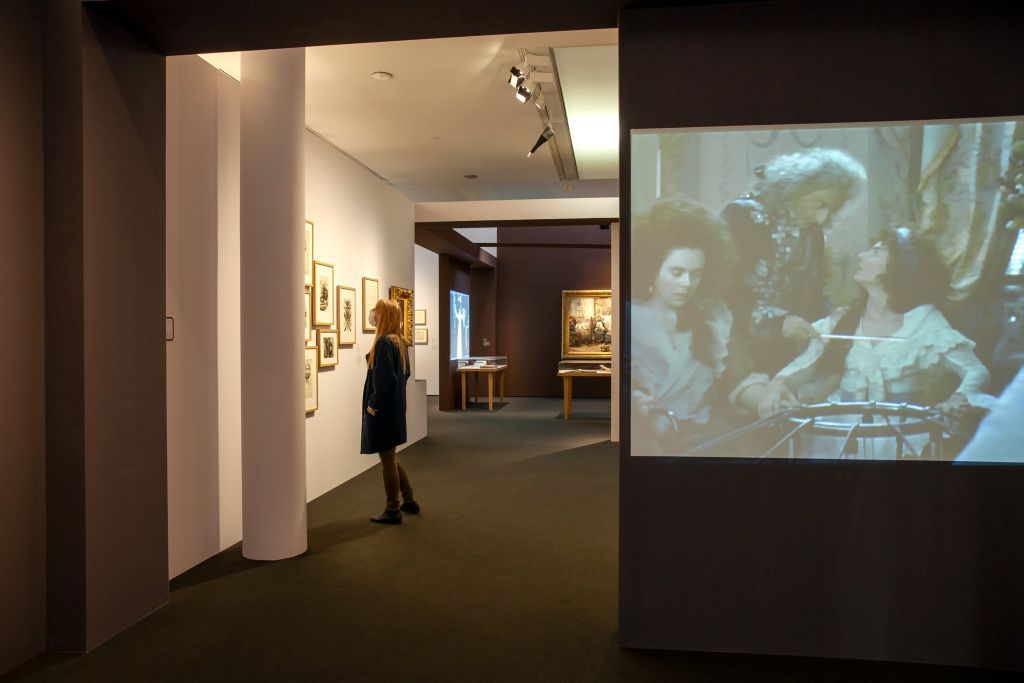
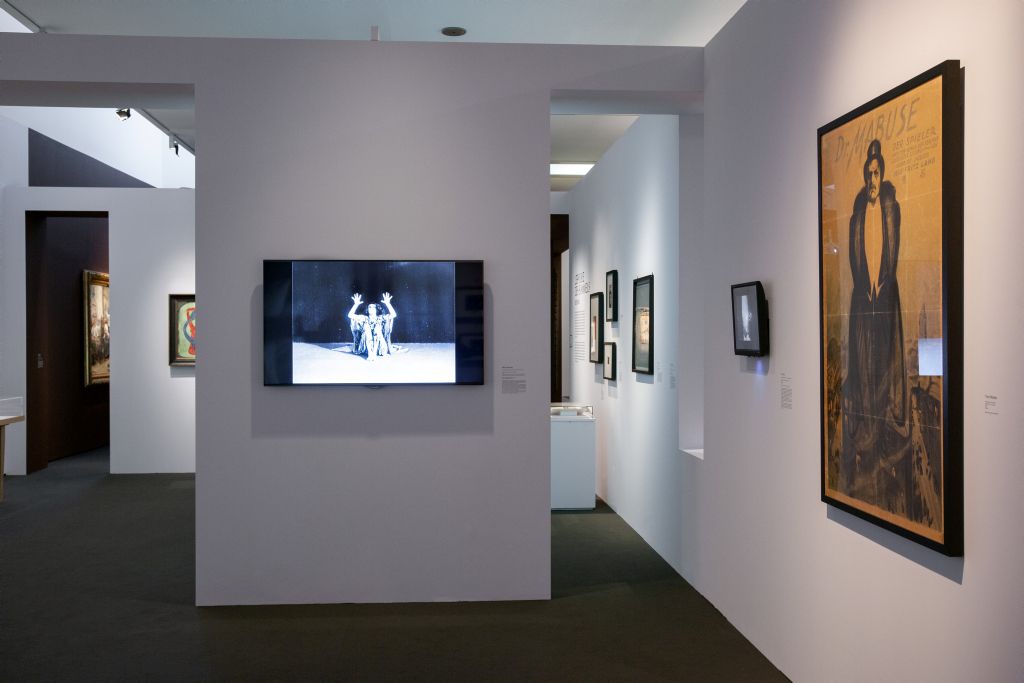
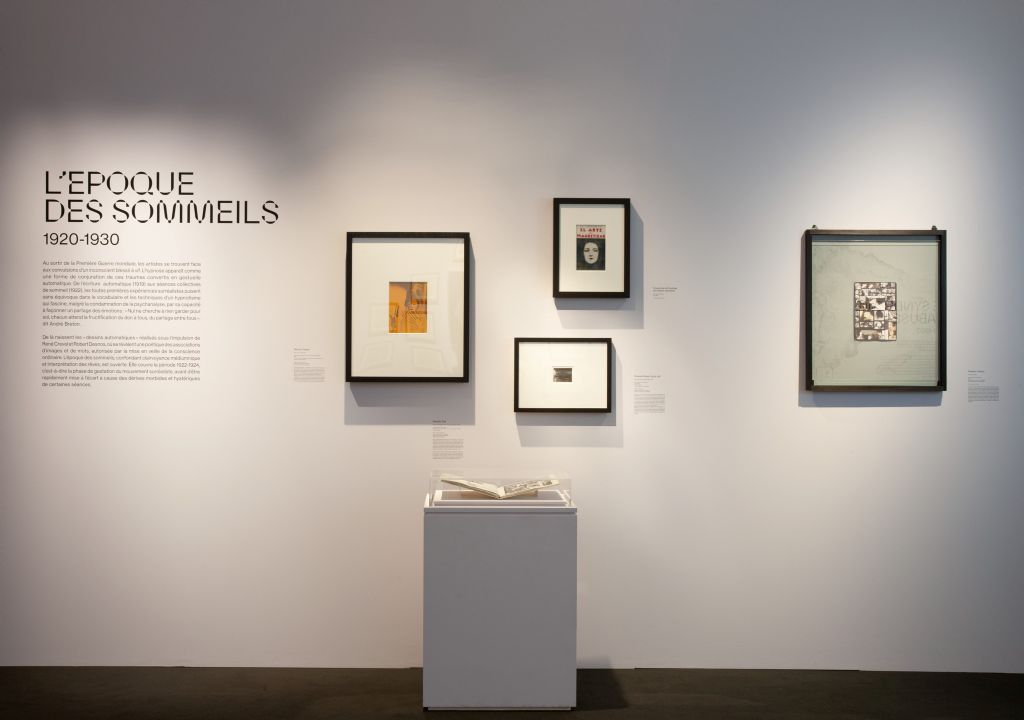
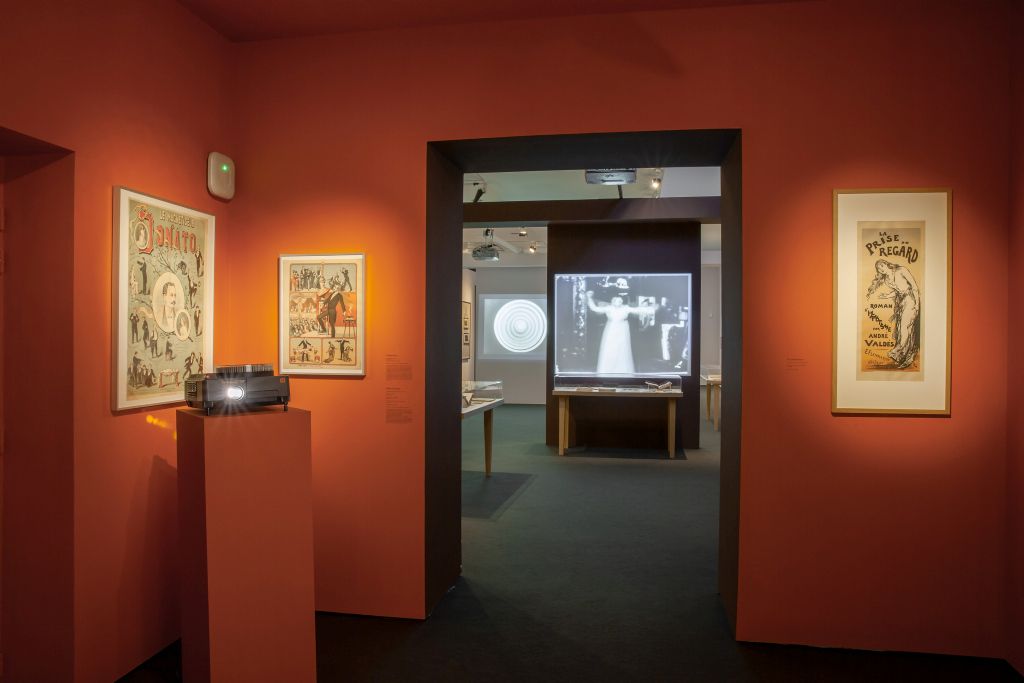
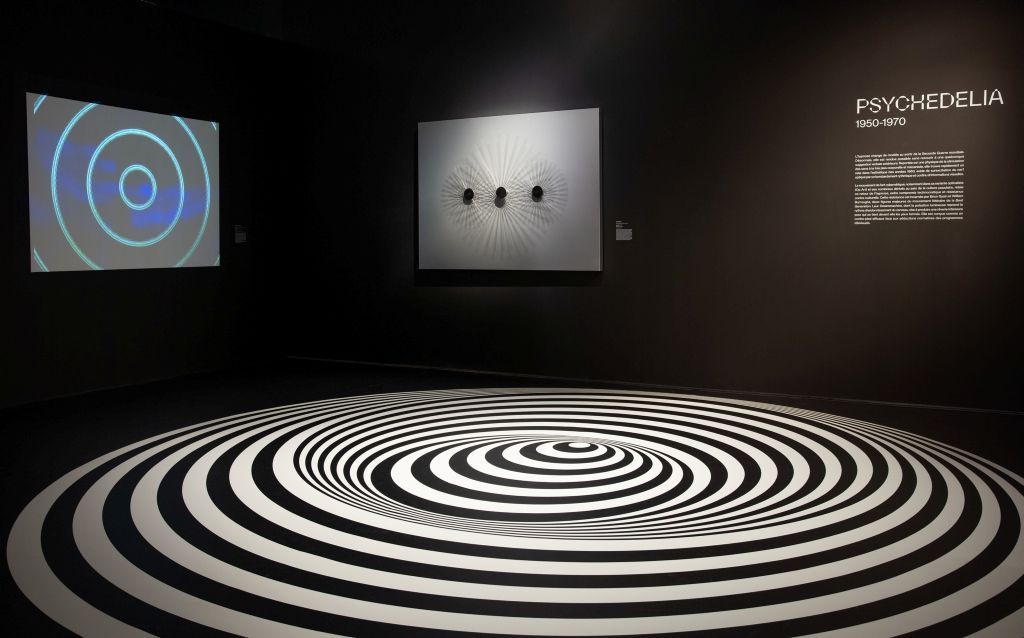
Following a chronological itinerary, opening at the end of the 18th century and concluding with contemporary creations, the exhibition revisits four centuries during which the theories and practices of hypnosis were gradually invested by artists.
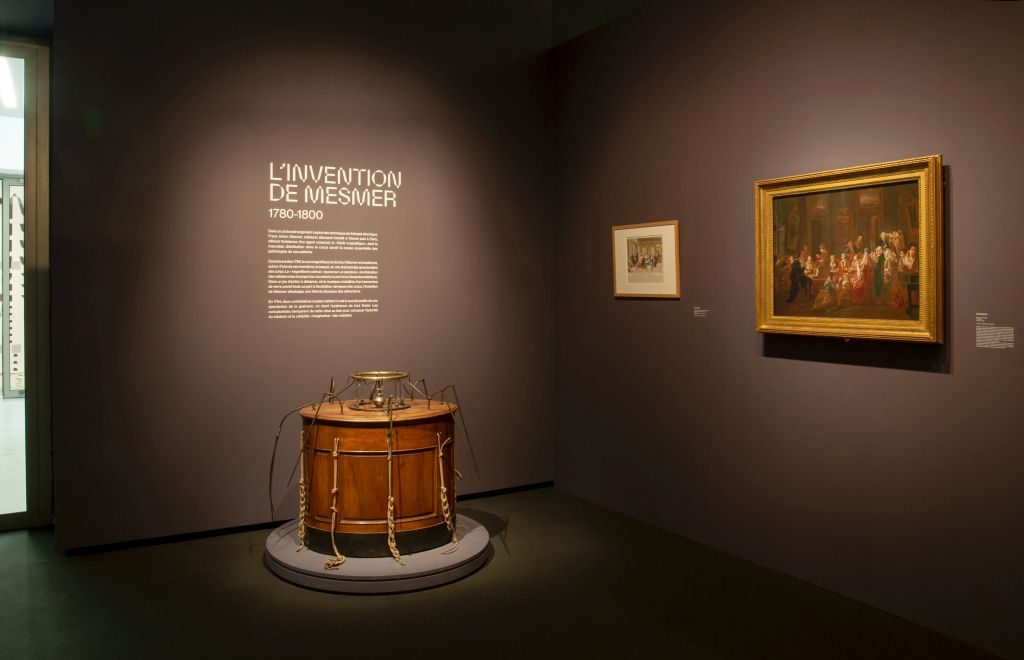
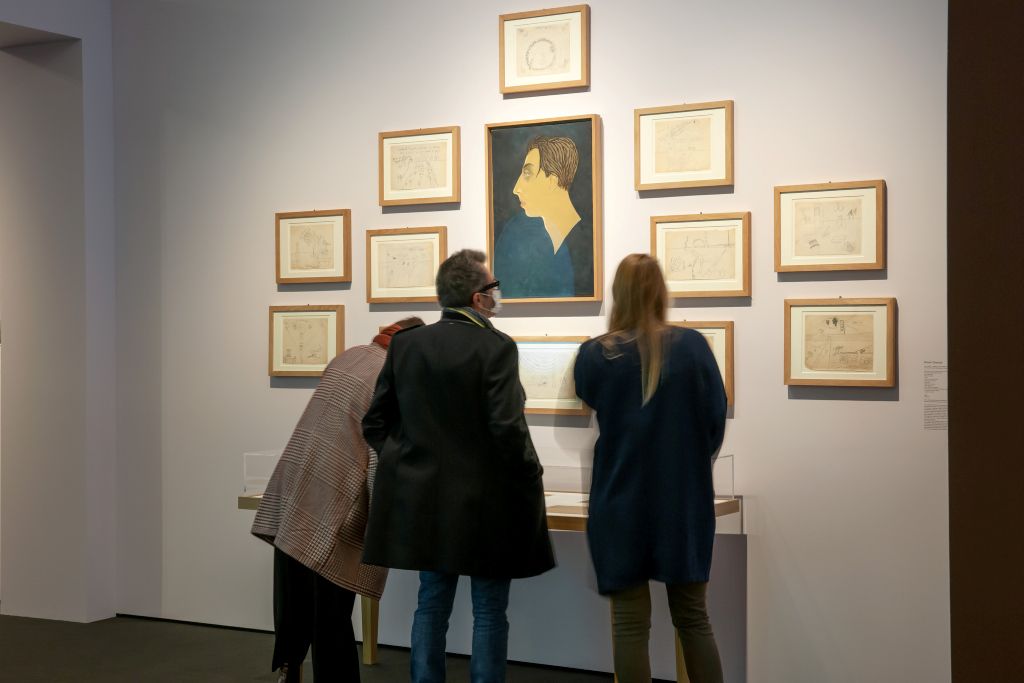
The exhibition is divided into eight sections, each featuring a wide variety of objects and media (paintings, engravings, photographs, videos...), punctuated by film projections( Fritz Lang'sDoctor Mabuse the Gambler, Marcel Duchamp's Anemic Cinema...). Visitors can also discover Franz Mesmer's authentic tub with its therapeutic virtues, both adored and criticized, representations of the Salpêtrière experiments, creations by Gustave Courbet, Auguste Rodin and Salvador Dali, William Wegman, Alain Séchas, Larry Miller...Tony Oursler's immersive installation in the Chapelle de l'Oratoire
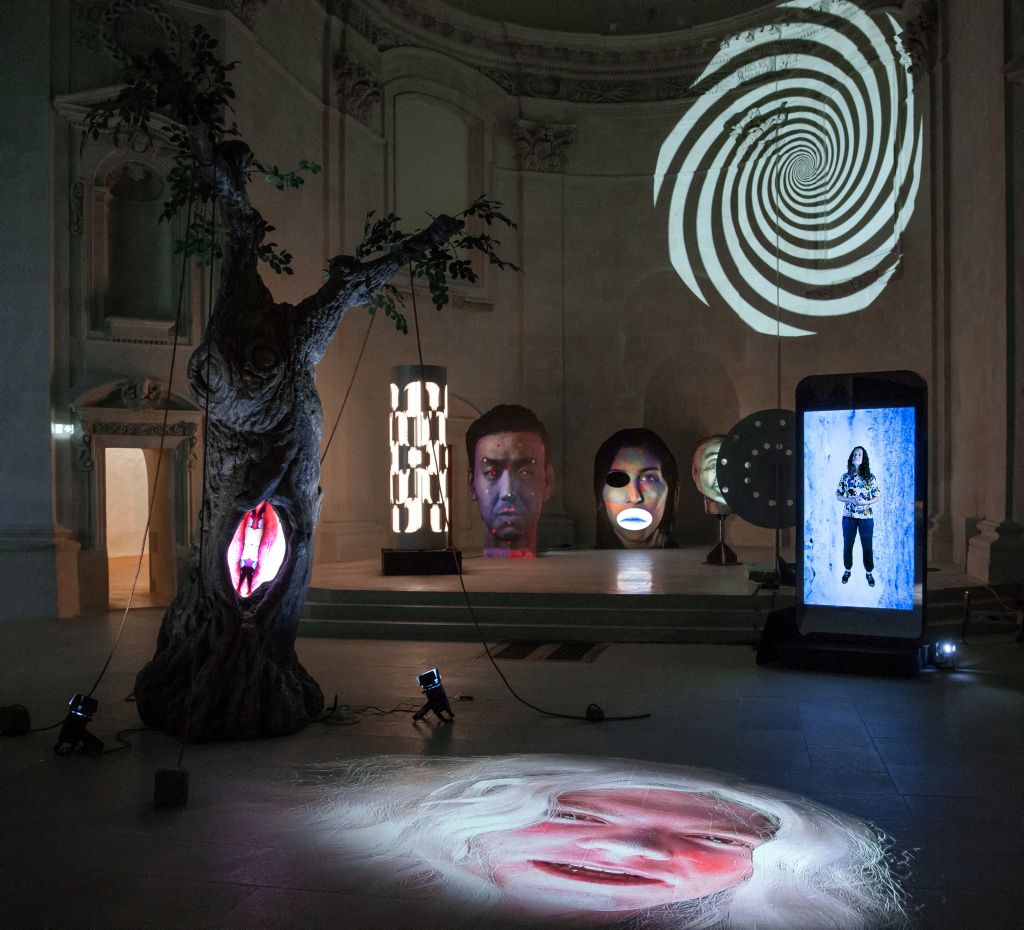
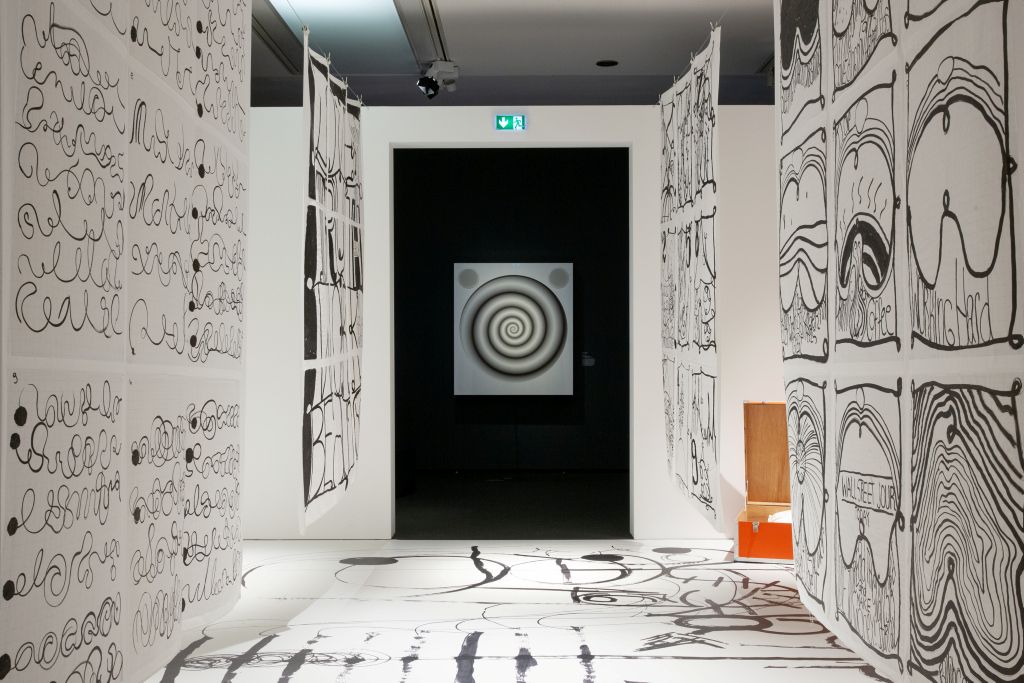
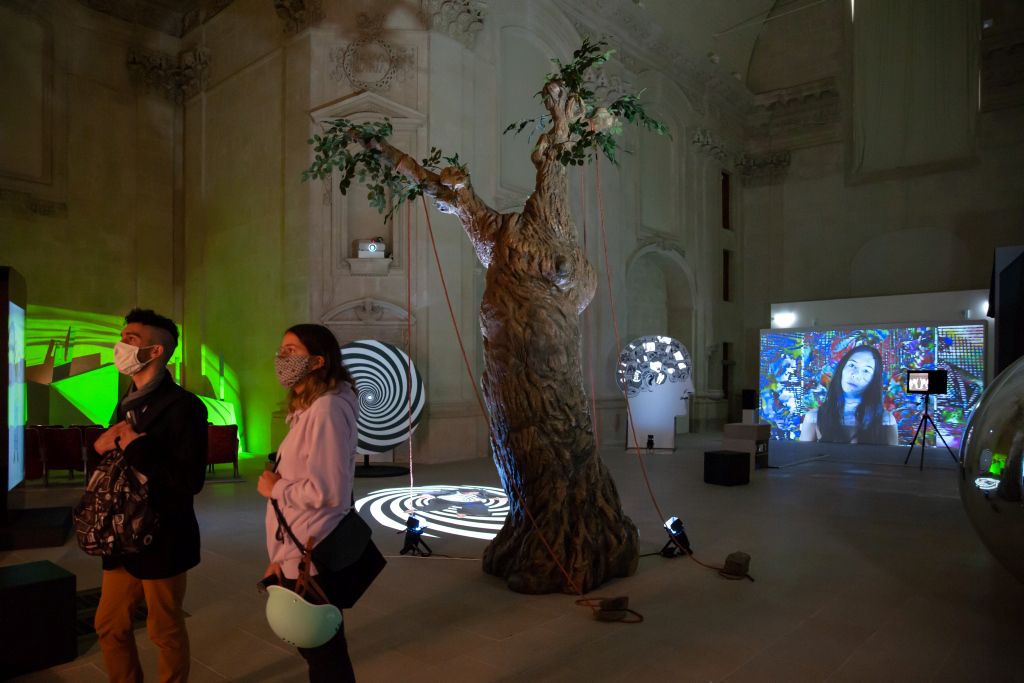
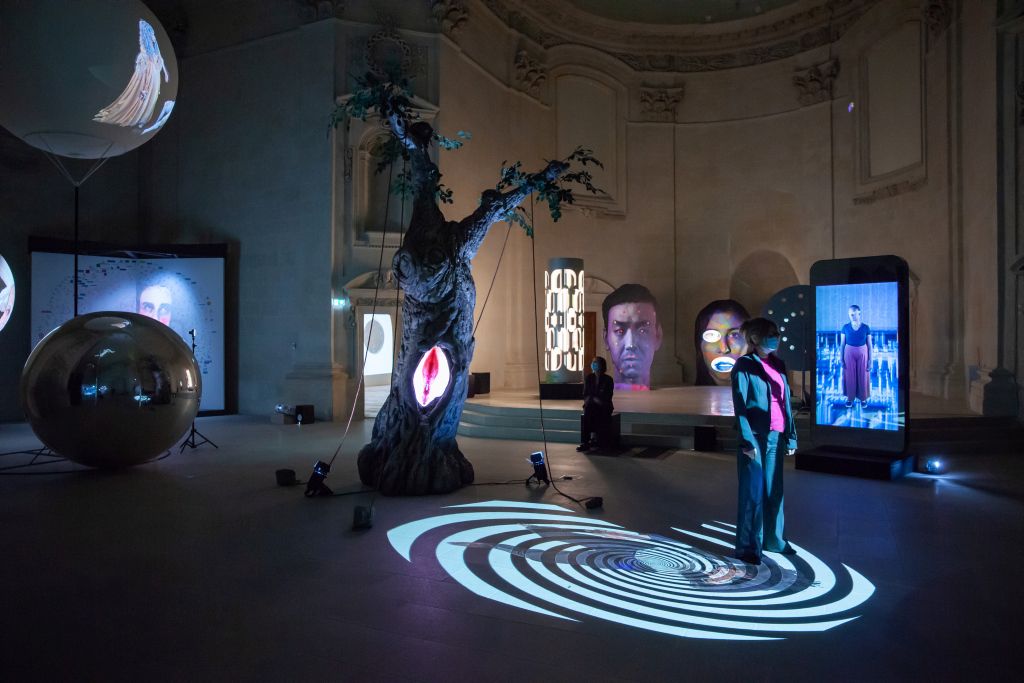
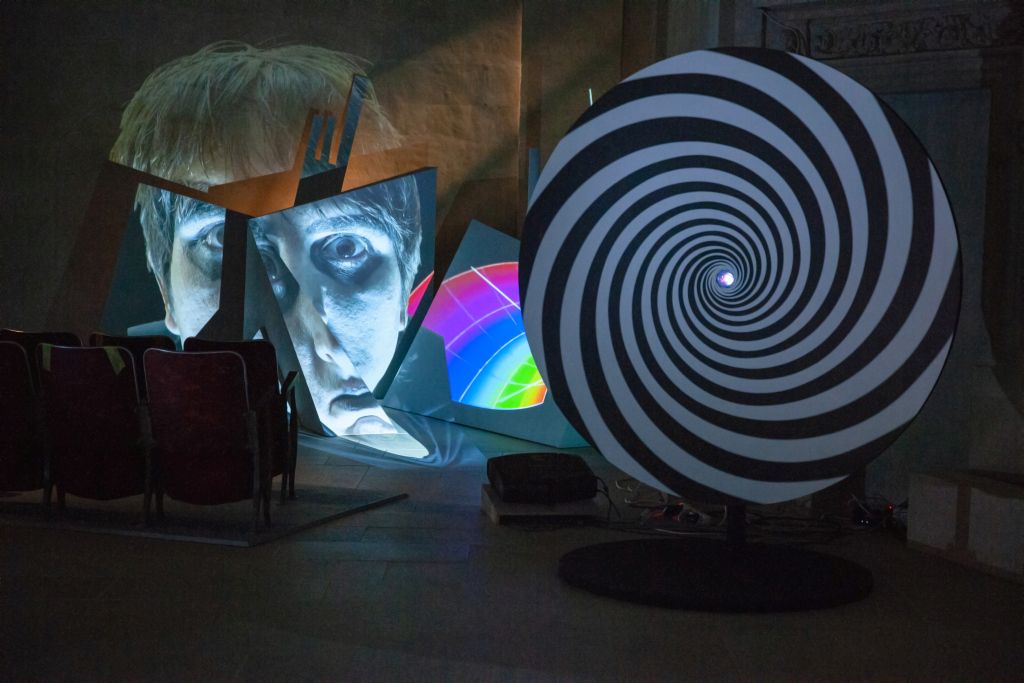
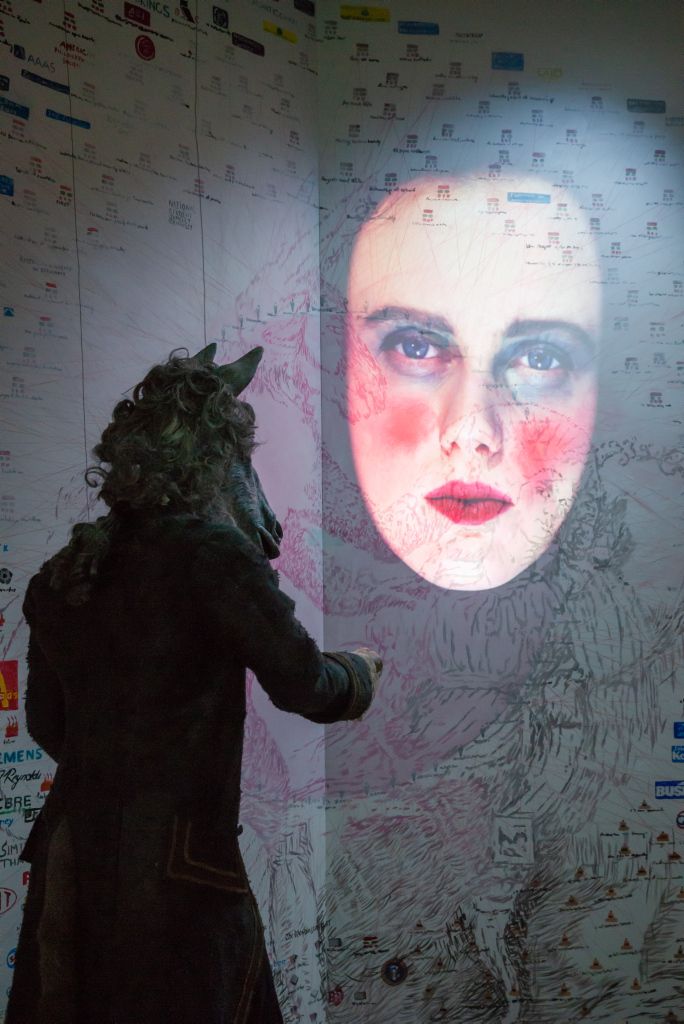
A multimedia installation by American artist Tony Oursler, specially conceived for this exhibition, takes over the Chapelle de l'Oratoire. Video sketches, reminiscent of the spirit of early cinema, animate a setting populated by numerous objects, sculptures and screens. Tony Oursler combines multiple visual references to the history of hypnotism with various contemporary anxieties linked to digital technologies.
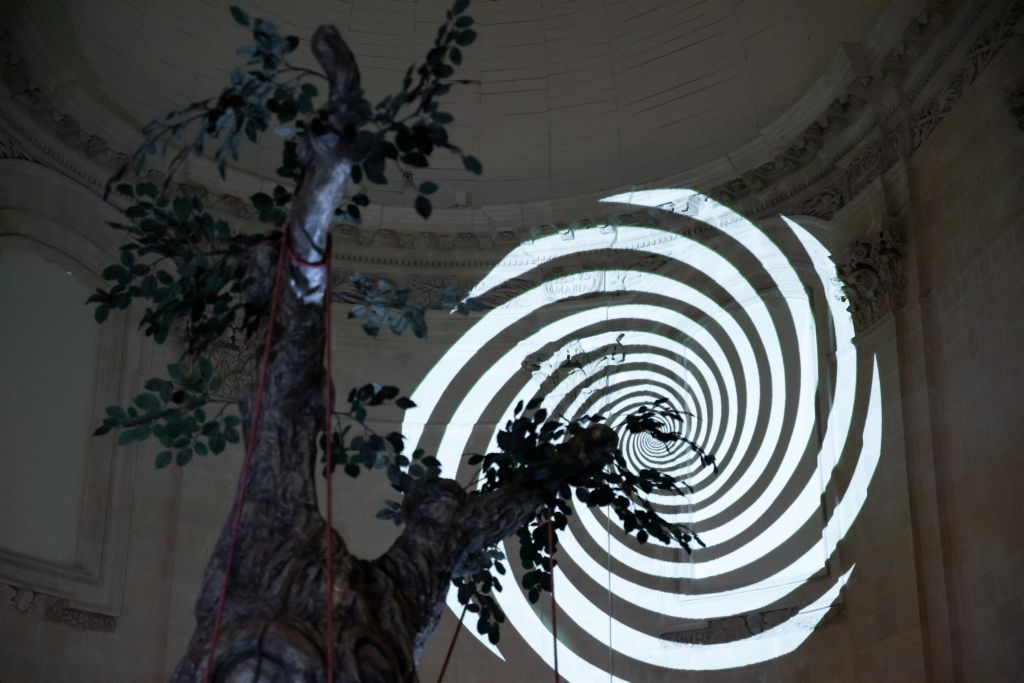
The installation comprises a dozen works in which sculpture and video art interact. These include Franz Mesmer and his caricature, a donkey hypnotizing a patient, Magnetic Tree, a four-metre-high tree that refers to the tree Puységur magnetized and to which patients linked themselves by ordes to heal, and a piece referencing beat generation and Brion Gyson's Dreammachine, producing a disturbing visual phenomenon that induces relaxation, like a hypnosis session.
Tony Oursler, a great virtuoso of phantasmagorical immersive installation, plunges the spectator into a sensitive and spectacular experience, questioning public attention, distraction and control.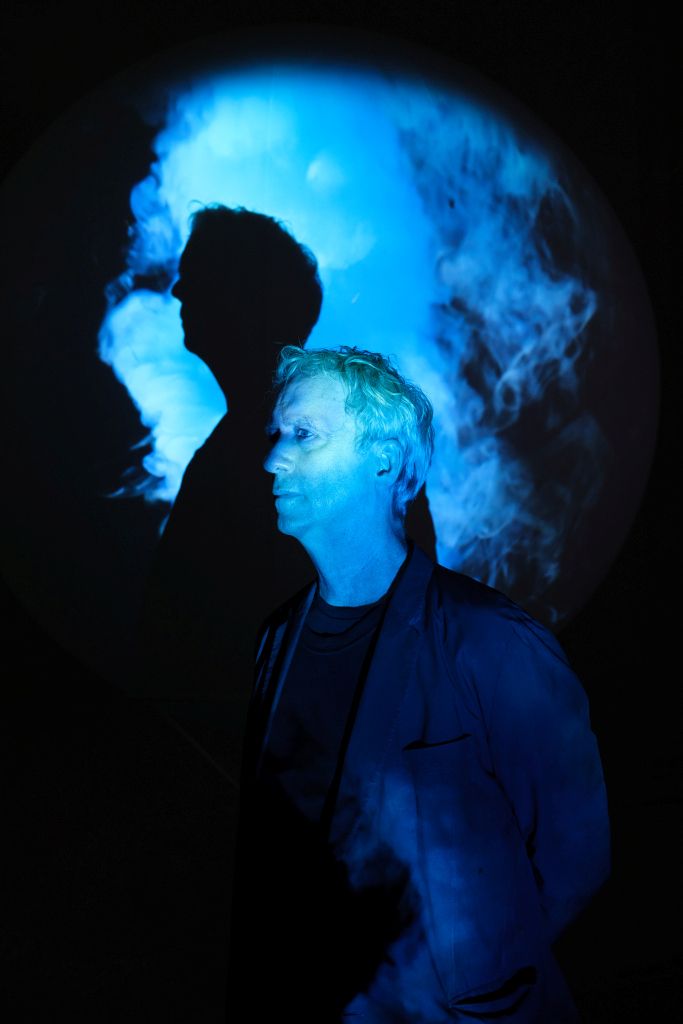
-
Tony Oursler
For this exhibition, American artist Tony Oursler takes over the Chapelle de l'Oratoire with an original installation designed specifically for the site.
With this immersive work, the artist proposes a journey that blends visual references to the history of hypnotism and various contemporary anxieties linked to digital technologies, from smartphones to big data.
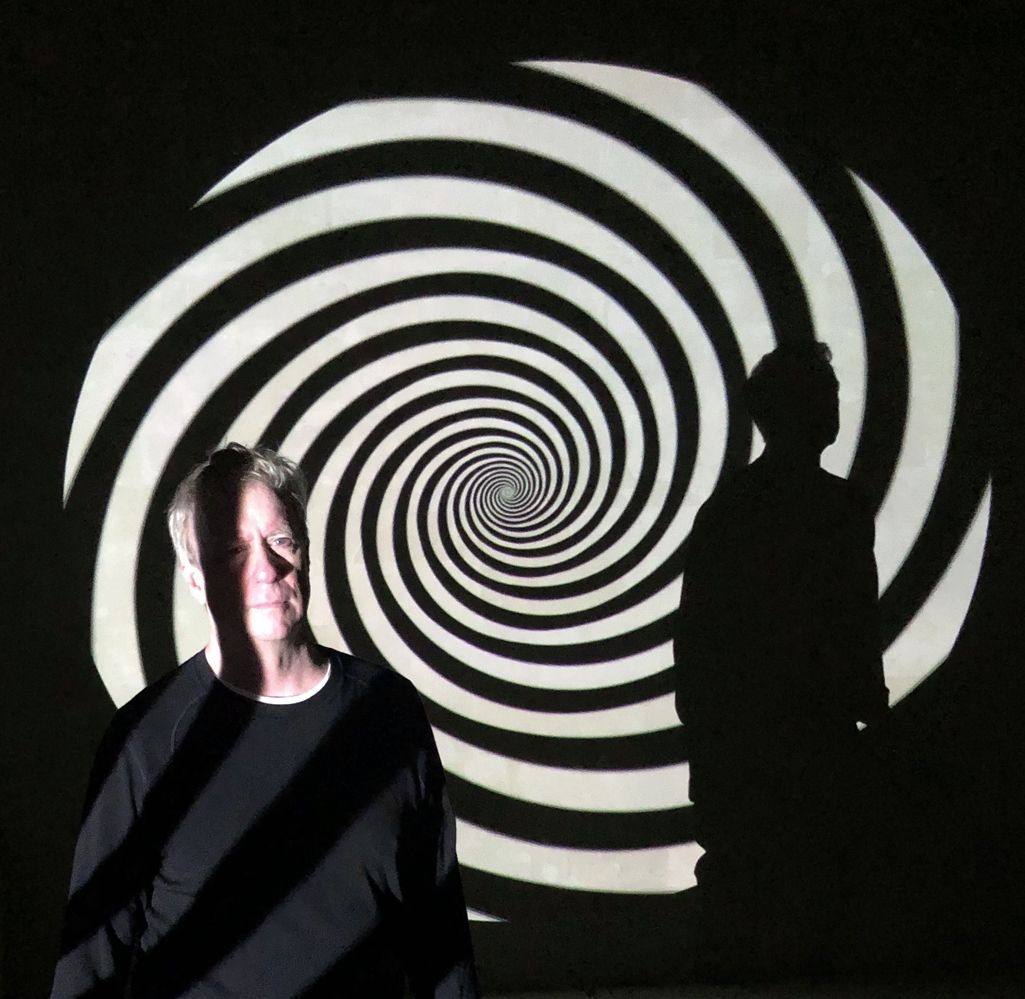
Born in New York in 1957, Tony Oursler is a major figure on the American art scene. It was at Cal Arts (California Institute of Arts) that he made his first videotapes and met artist Mike Kelley, with whom he founded an experimental punk-rock group, The Poetics, in 1977.
Within video art, Tony Oursler employs a form of theatricalization that hybridizes a wide variety of media: video, film, photography, painting, sculpture, as well as music and soundtracks, which are the subject of specific work. Very early on, he extended the concept of the screen to unusual supports, on the scale of architecture and public space, but also, on rag mannequins (the famous dummies or dolls that appeared in 1992 and made him famous on the international art scene), in narrative and spectacular installations, made up of settings that are both burlesque and tragic.His work can be found in major collections such as the Centre Pompidou. His work was recently exhibited at MoMA in New York, where he published a catalog of his personal collection of historical documents relating to the popular culture of entertainment, the occult and magic shows.

-
In photos
-
On video
-
Virtual tour
From the scientific and historical trail to Tony Oursler's immersive installation, immerse yourself in the exhibition's atmosphere and works, mouse in hand, and discover videos, texts, visits in sign language... For an immersion (almost) as if you were there!
Tony Oursler in the Chapelle de l'Oratoire
Immerse yourself in the atmosphere of the immersive installation by American artist Tony Oursler, created for the Hypnosis exhibition in the Chapelle de l'Oratoire.
-
Art workshops
Artistic workshops for young and old around the Hypnosis exhibition, to be carried out at home.
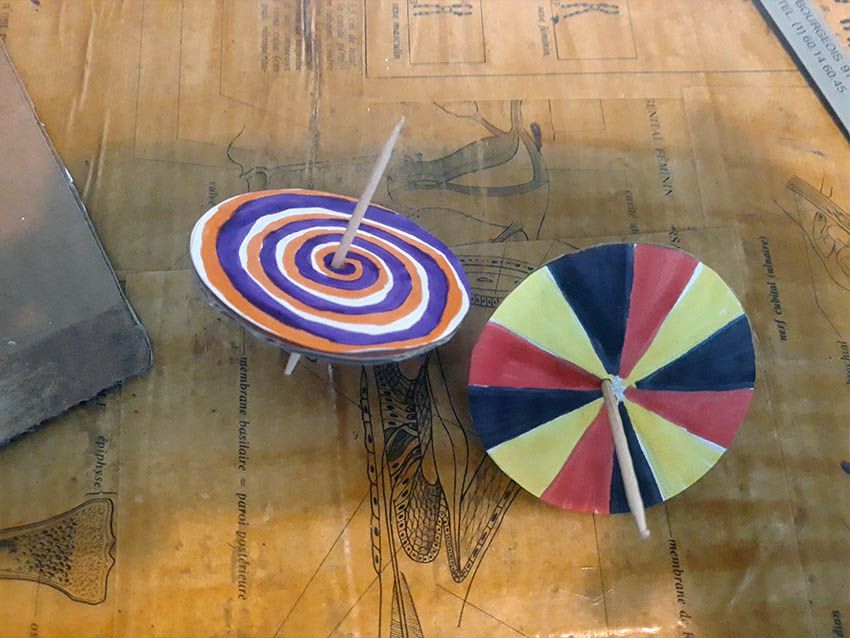
Tournicoti workshop
Or how to create an optical illusion spinning top.
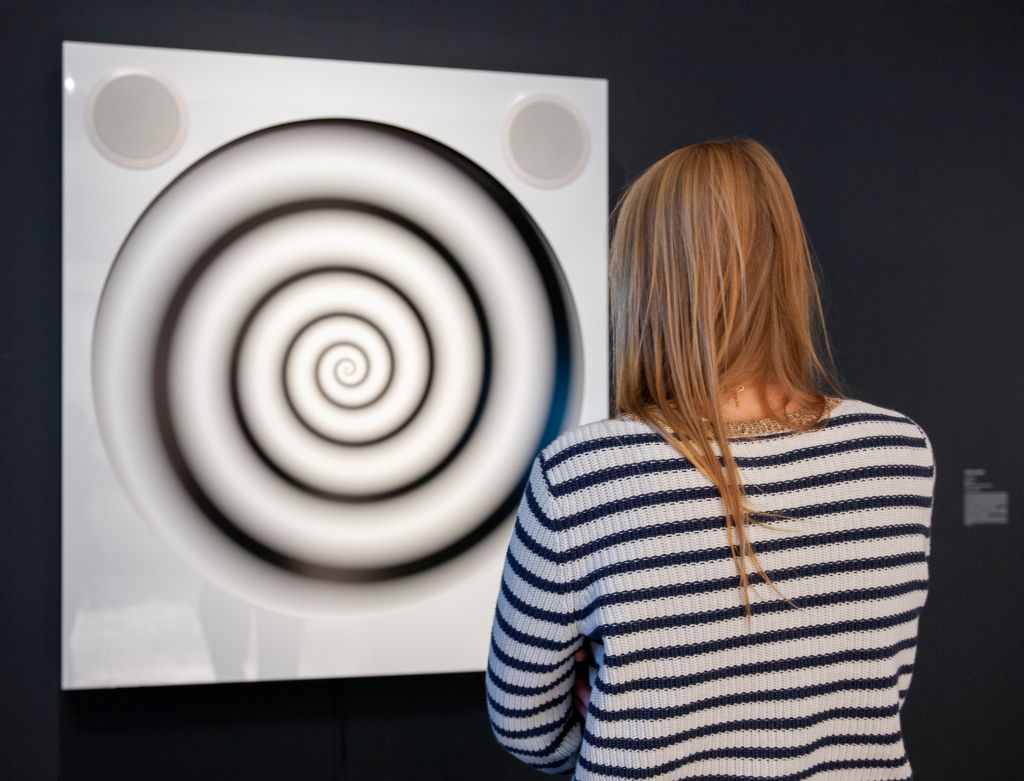
In 2006, Alain Séchas created Hommage à Émile Coué, an installation featuring a spiral and soundtrack. As the movement accelerates, the spiral turns, the buzzing sound takes on meaning, revealing Émile Coué's famous theory: "Every day, from every point of view, I'm getting better and better". The mural, which can be seen in the Hypnosis exhibition, is totally hypnotic.
Take inspiration from Séchas' work and create a spinning top that will make your head spin!
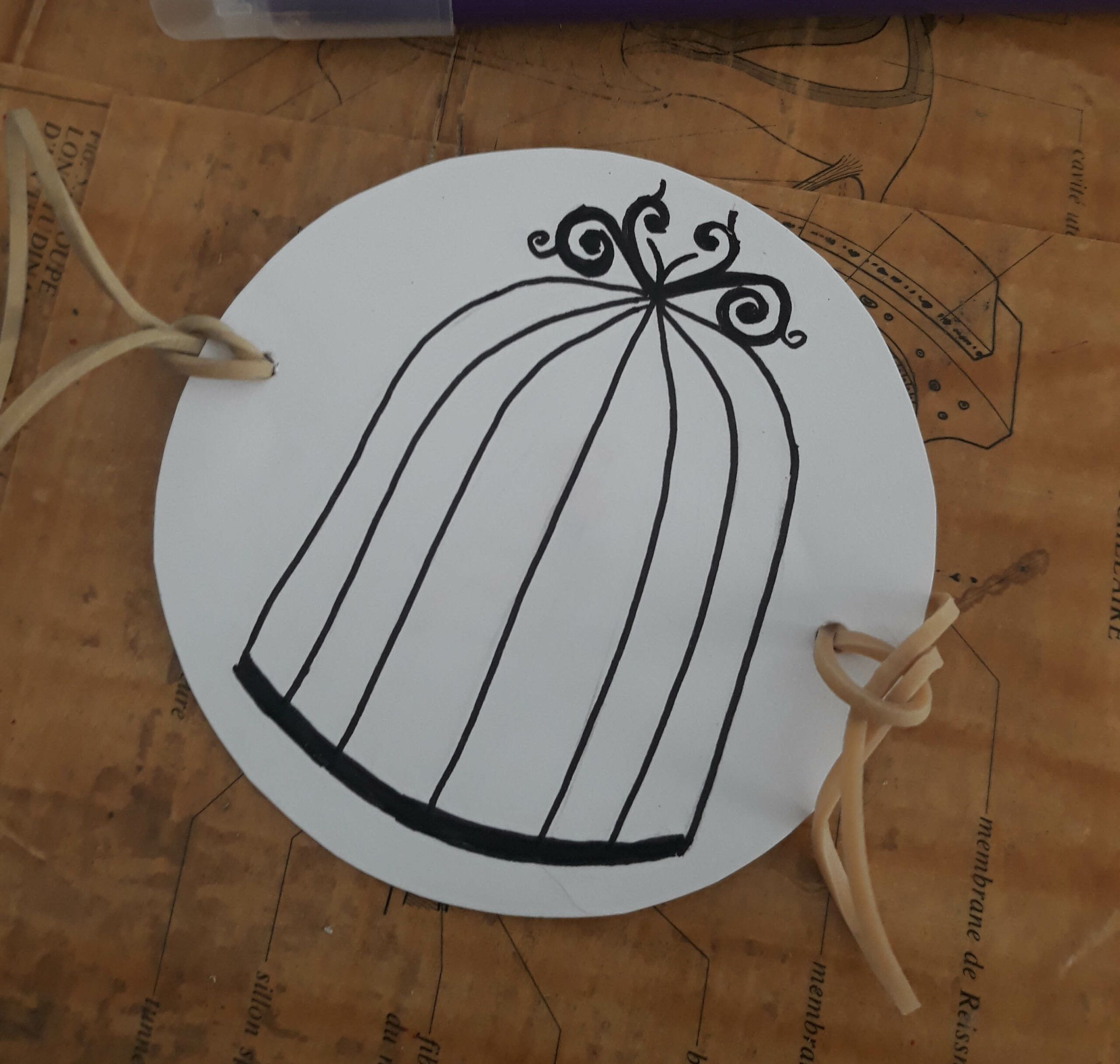
Thaumatrope workshop
Or the magic of a moving image.
The Hypnosis exhibition presents works of optical art that destabilize the viewer with captivating visual effects. In the same way, the thaumatrope - a disc with a different design on each side - is an optical game. By rotating it rapidly, the two drawings merge into one, creating an illusion of movement and an animated image.
Imagine and create a magical thaumatrope!
-
Catalogs and books about the exhibition
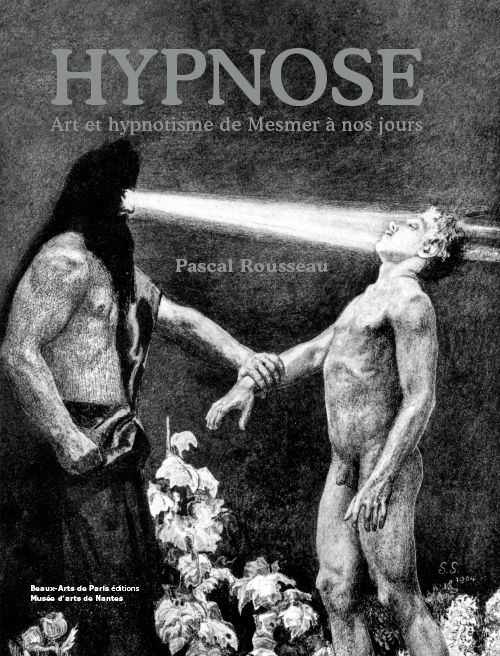
Catalog cover for the exhibition Hypnosis, presented from October 16, 2020 to August 22, 2021. Musée d'arts de Nantes, photo. photo : C. Clos This catalog is published on the occasion of the exhibition Hypnosis presented at the Musée d'arts de Nantes, in the -1 du Cube and the Chapelle de l'Oratoire, from October 16, 2020 to August 22, 2021.
Available for consultation at the museum library, and on sale at the museum bookshop-boutique.
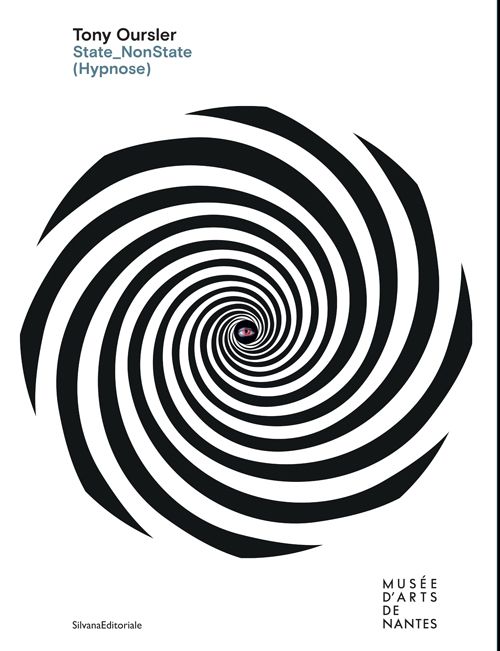
Catalog cover for the Tony Oursler exhibition presented from October 16, 2020 to August 22, 2021. Musée d'arts de Nantes, photo. Photo : C. Clos This catalog is published on the occasion of Tony Oursler's immersive installation, presented in the Chapelle de l'Oratoire as part of the exhibition Hypnosis, from October 16, 2020 to September 12, 2021.
Available for consultation at the museum library, and on sale at the museum bookshop-boutique.
Books selected by the museum library
The museum library has prepared a selection of books on the Hypnosis exhibition. You can consult them at the library by appointment.

General curator:
Sophie Lévy, curatorial director of the Musée d'arts de Nantes.
Scientific curator:
Pascal Rousseau, professor at the Université de Paris I Panthéon-Sorbonne and the École des Beaux-Arts de Paris, assisted by Louise Denis, art historian, and Jean-Rémi Touzet, curator in charge of the 19th-century collections at the Musée d'arts de Nantes.
The museum would like to thank L'État - Ministère de la Culture - DRAC des Pays de la Loire for subsidizing the exhibition.
The Musée d'arts de Nantes thanks its media partners.






Caption and credits
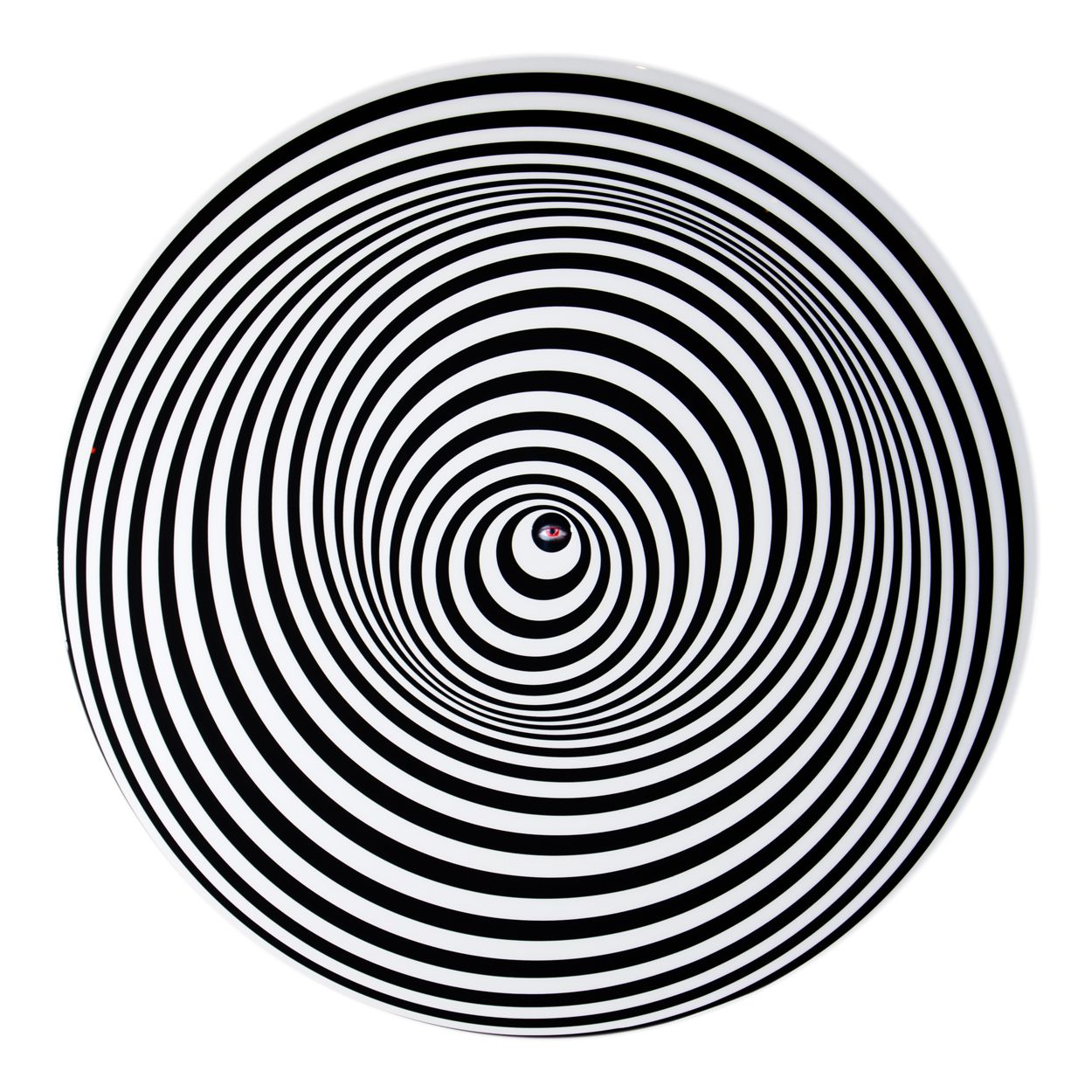
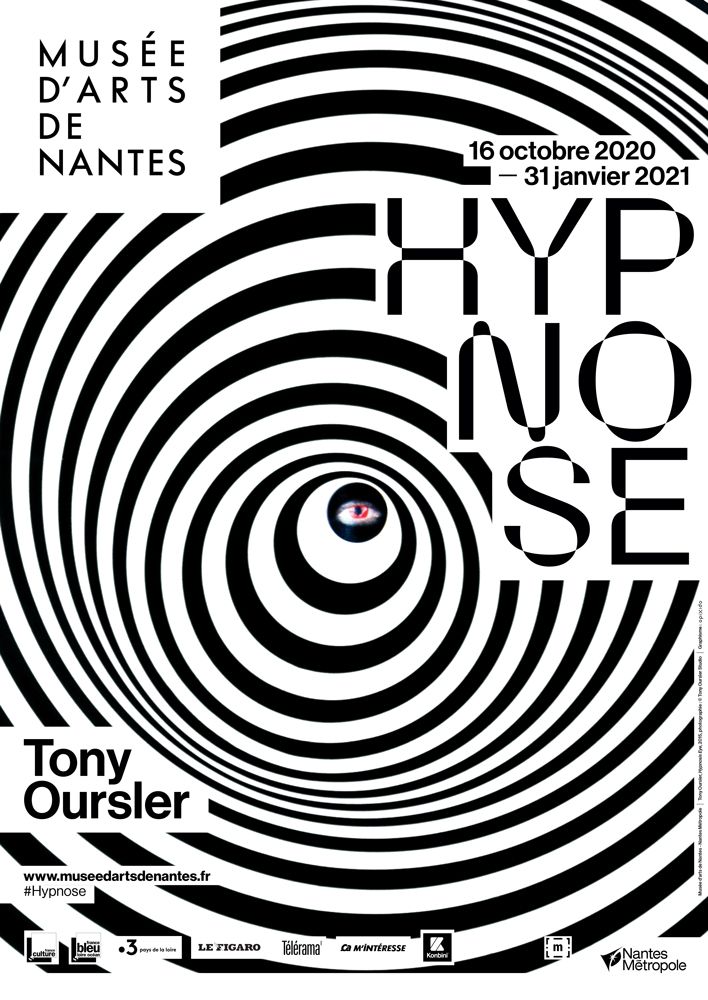
Tony Oursler, Hypnosis Eye, 2015, aluminum, acrylic and LCD screen, diameter 119.4 cm, photo: © Tony Oursler Studio