-
The exhibition
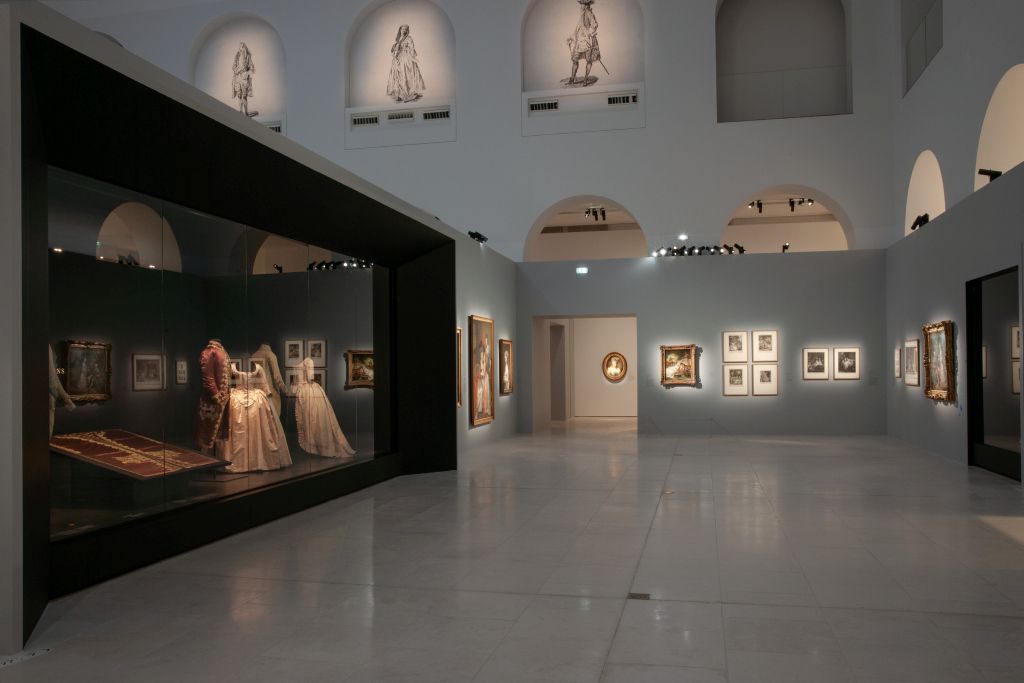
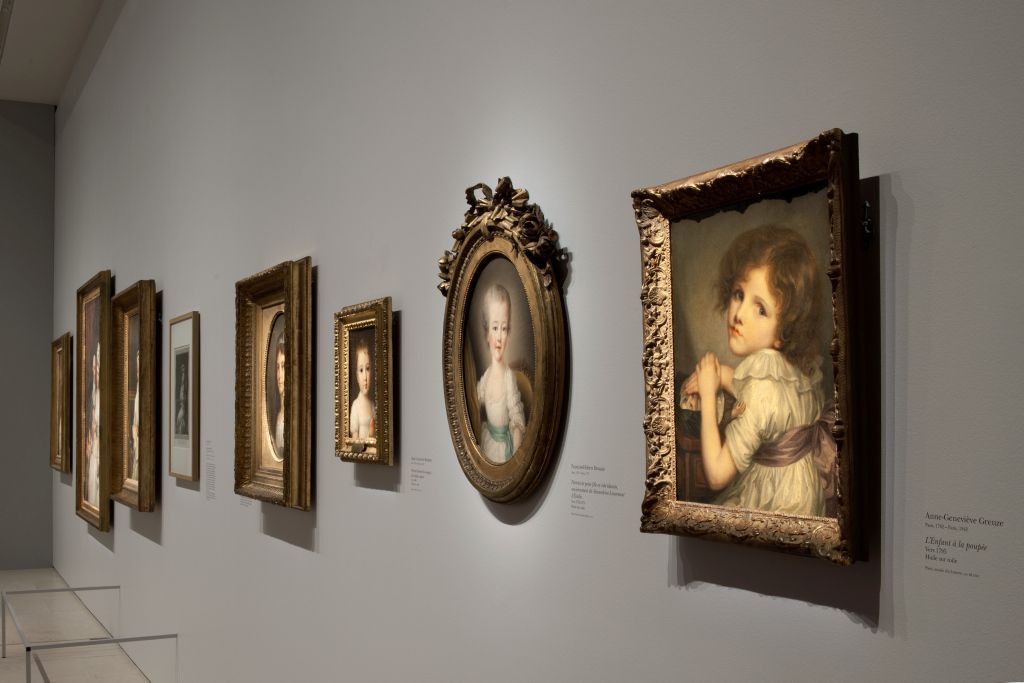
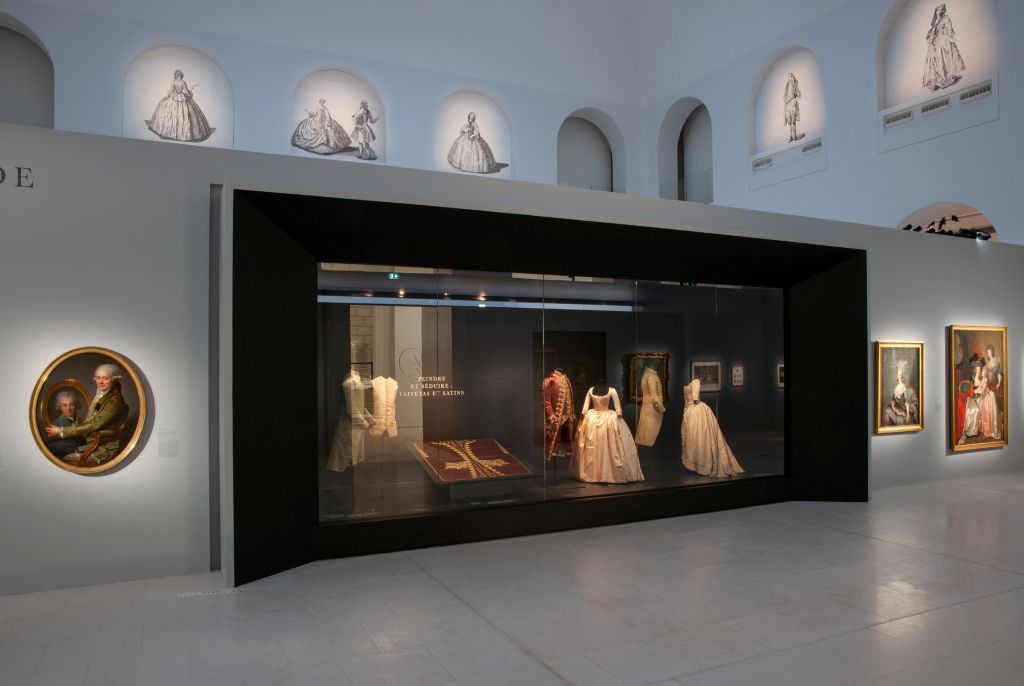
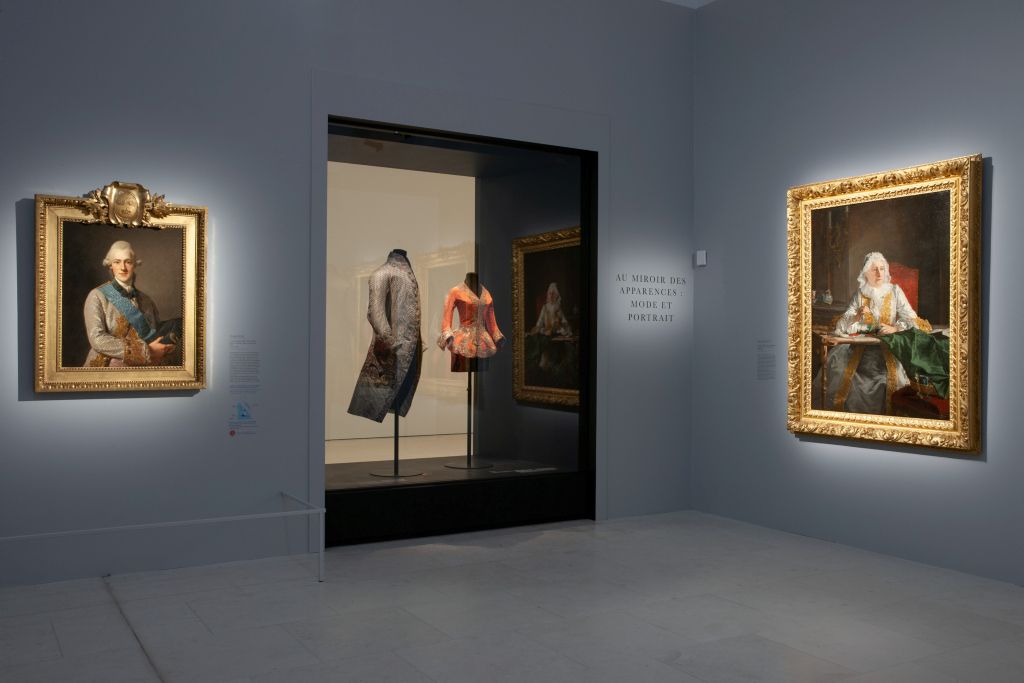
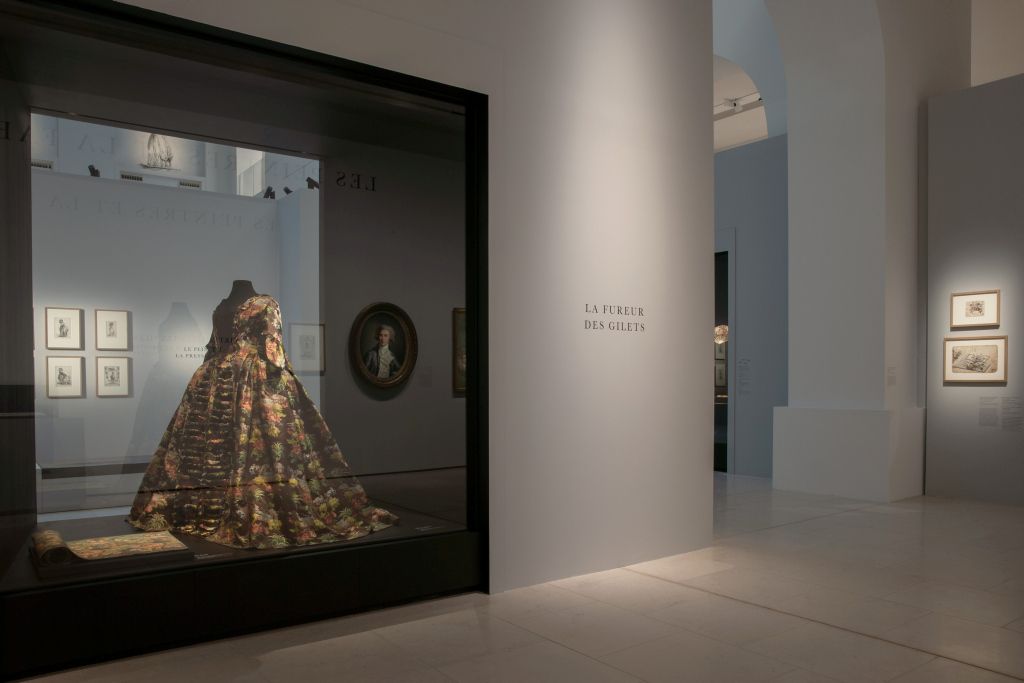
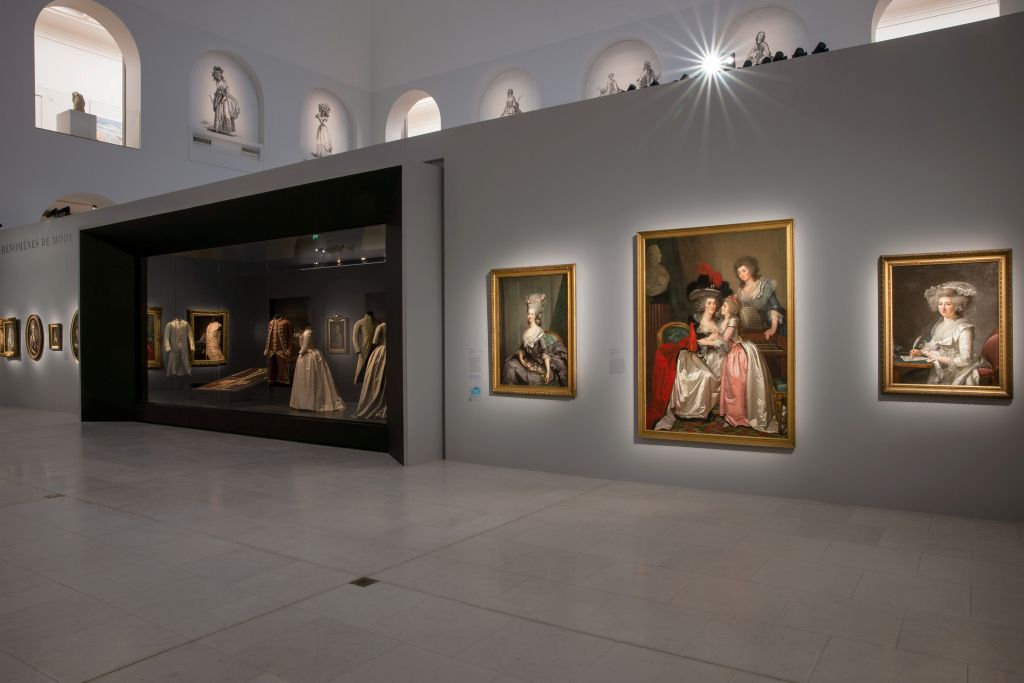
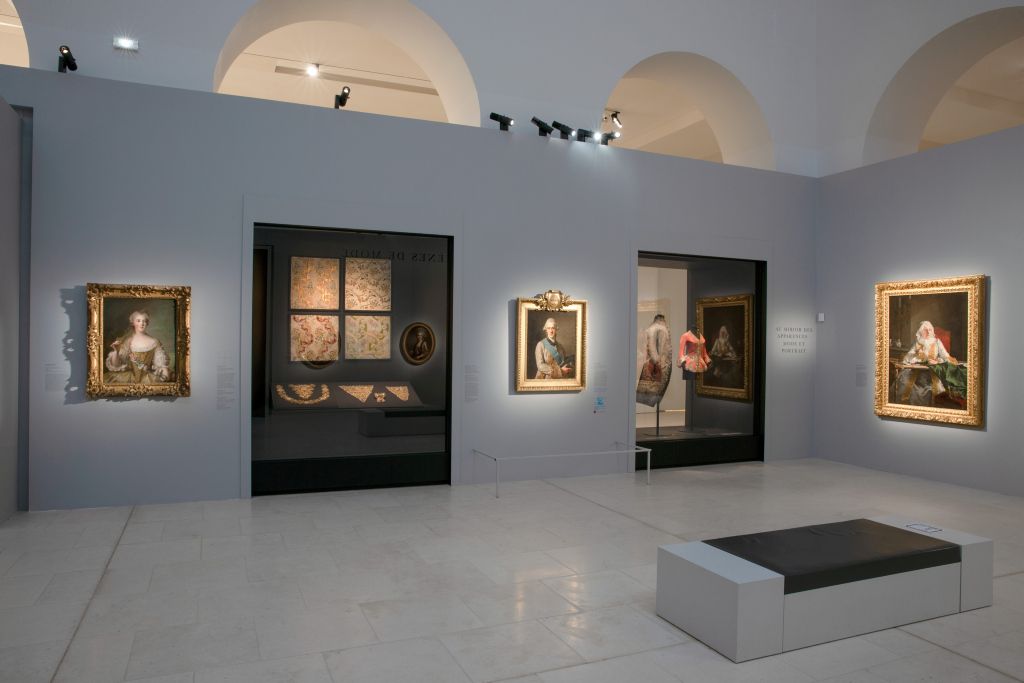
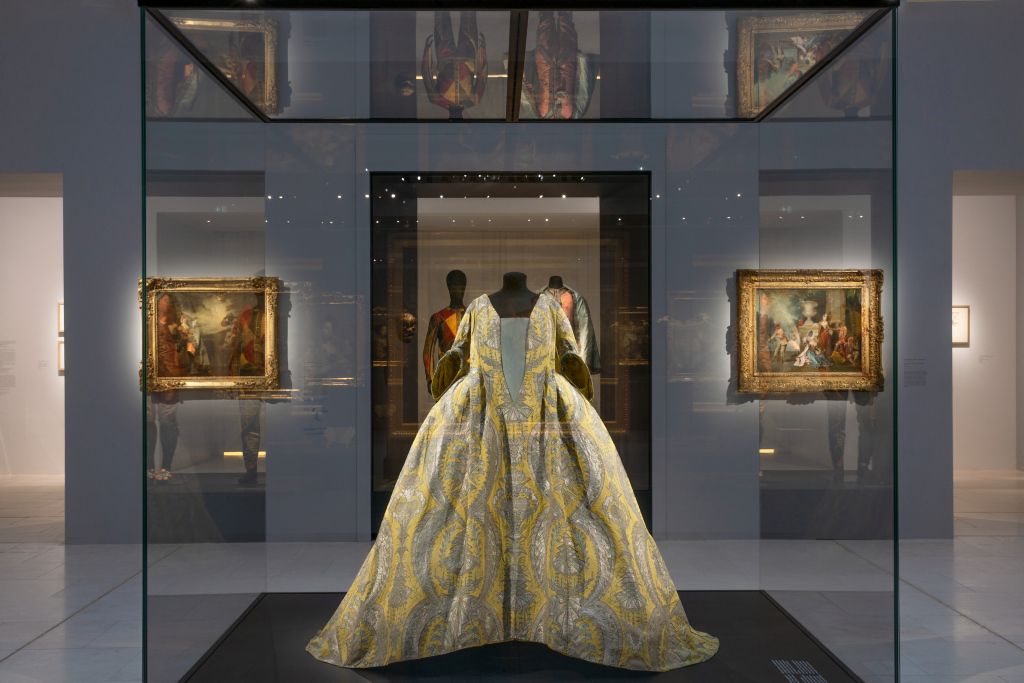
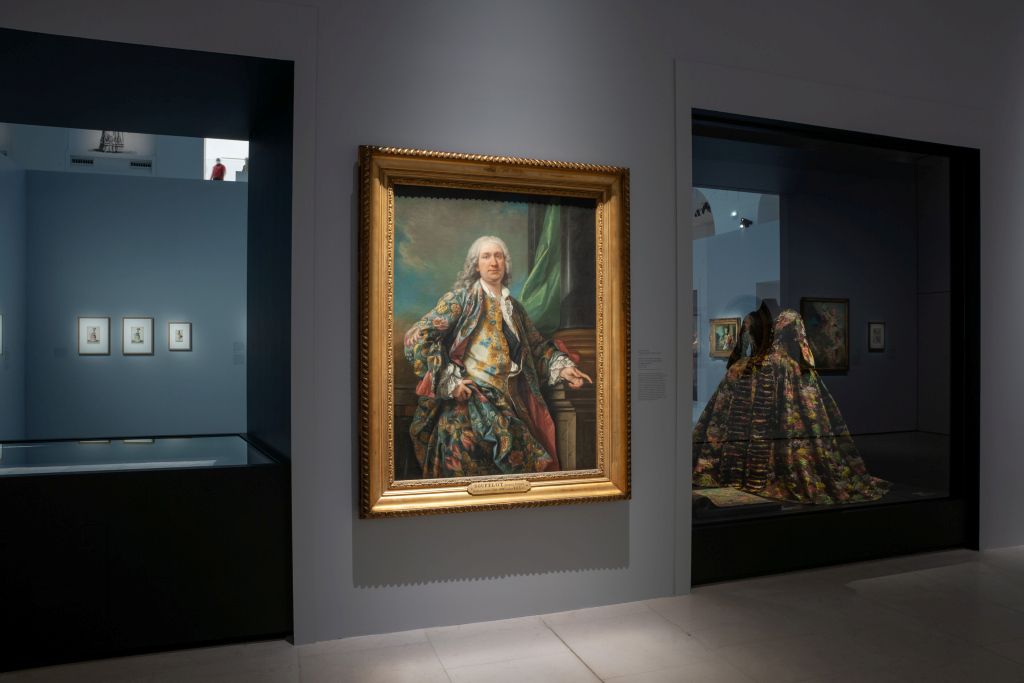
By exhibiting both period paintings and garments, the exhibition À la mode. The Art of Appearance in the 18th Century reveals for the first time the interplay of influences between Enlightenment painters and fashion designers.
In the 18th century, the birth of fashion was primarily associated with new skills and specialist publications and was an indicator of fast-growing change in society. Painters and fashion producers were vying with each other to reach new heights of creativity, weavers excelled, and French elegance showcased by the aristocracy and the upper echelons of the urban bourgeoisie extended its reach to all the courts and cities of Europe. This marked the birth of fashion as we know it today.
During this period, painting was the only available medium for having one’s portrait made and as much thought went into presentation and garments as to one’s pose. Paintings were used to showcase oneself to others in a form of 18th century Instagram.
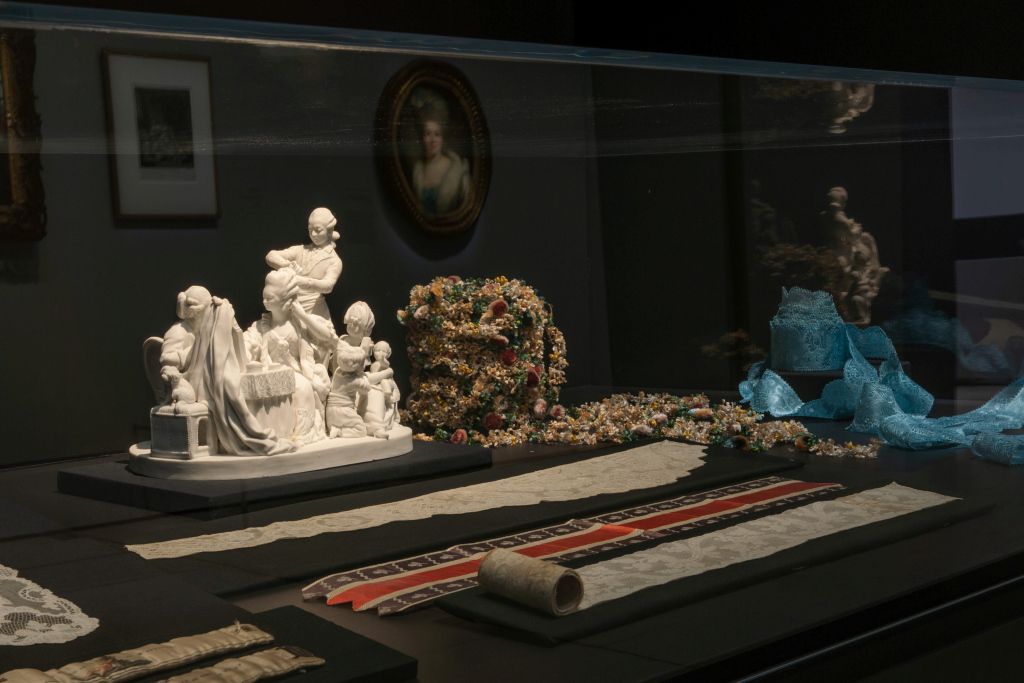
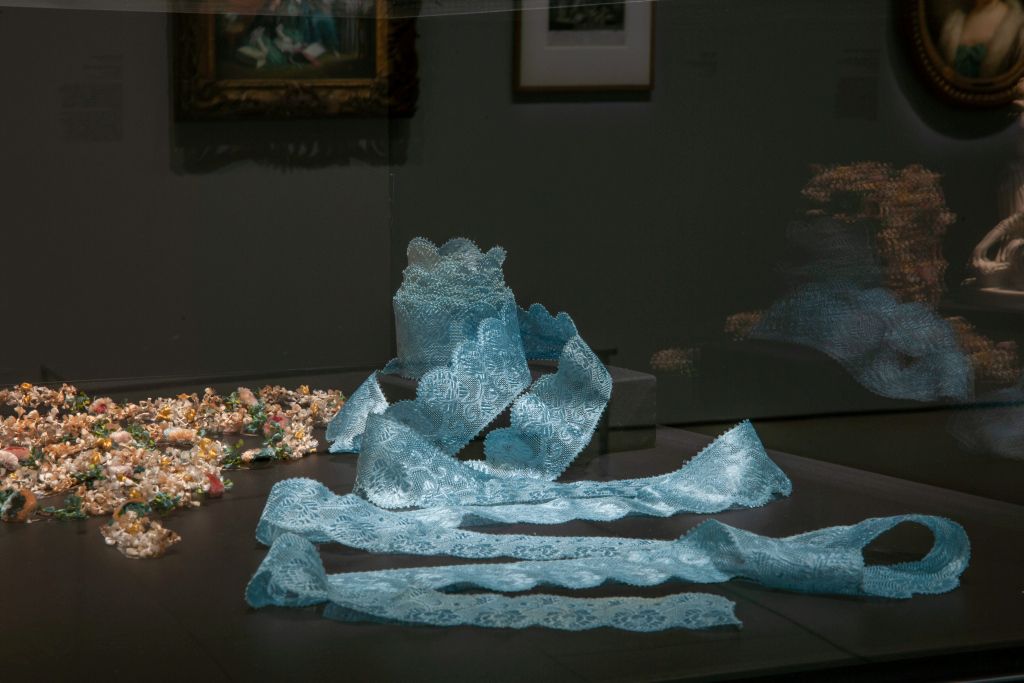
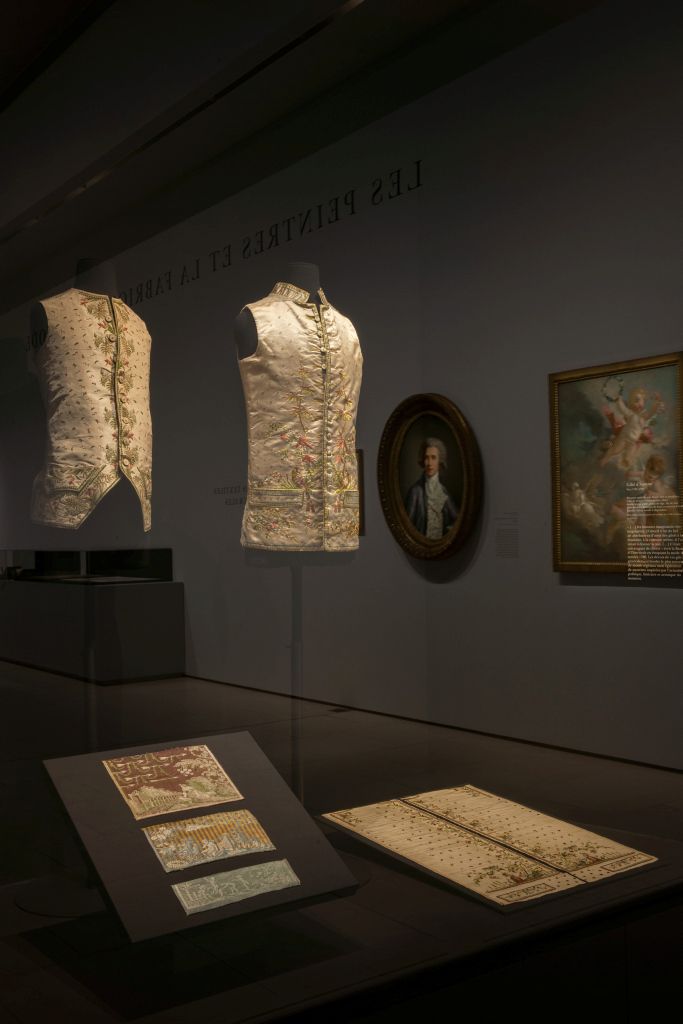
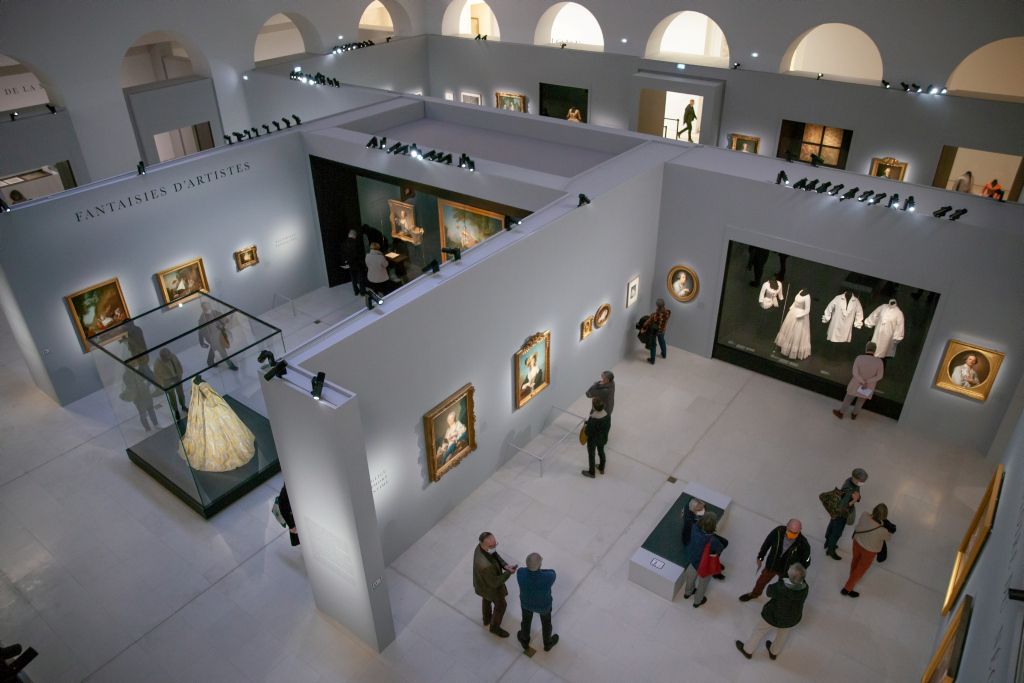
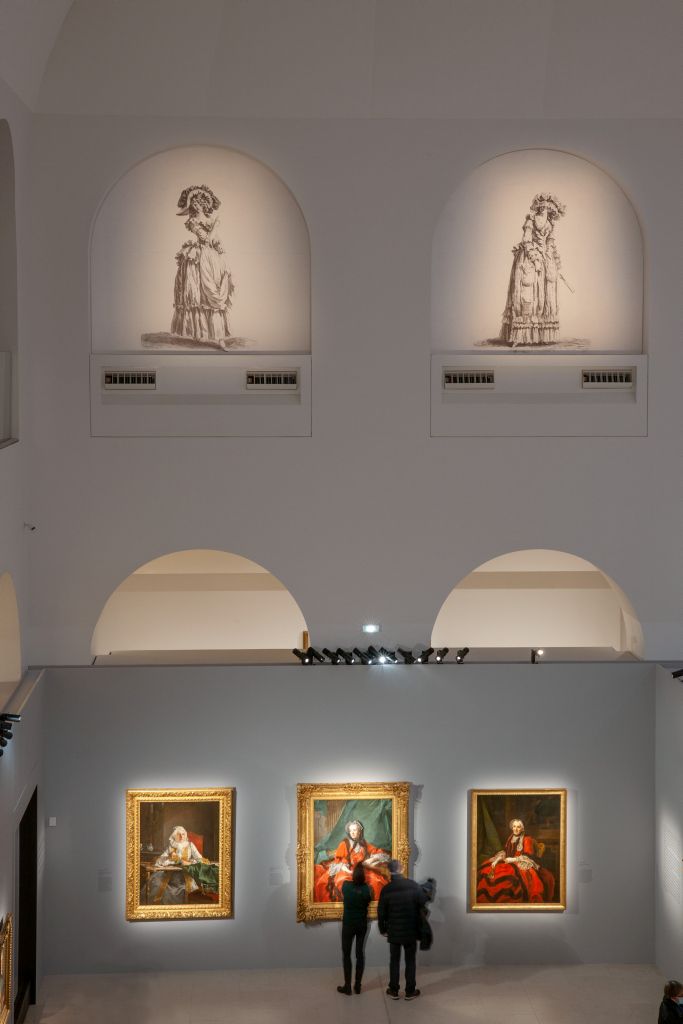
The exhibition brings together in a modern and stylishly designed setting some 200 outstanding works and objects from major museums. The Palais Galliera, musée de la Mode de Paris has lent incredible and rare period garments to the Musée d’arts, the Palace of Versailles has loaned masterpieces usually exhibited at the Petit Trianon or in rooms at the Palace, and the Château, d’Écouen has contributed precious gloves, lace, boxes, and bottles.
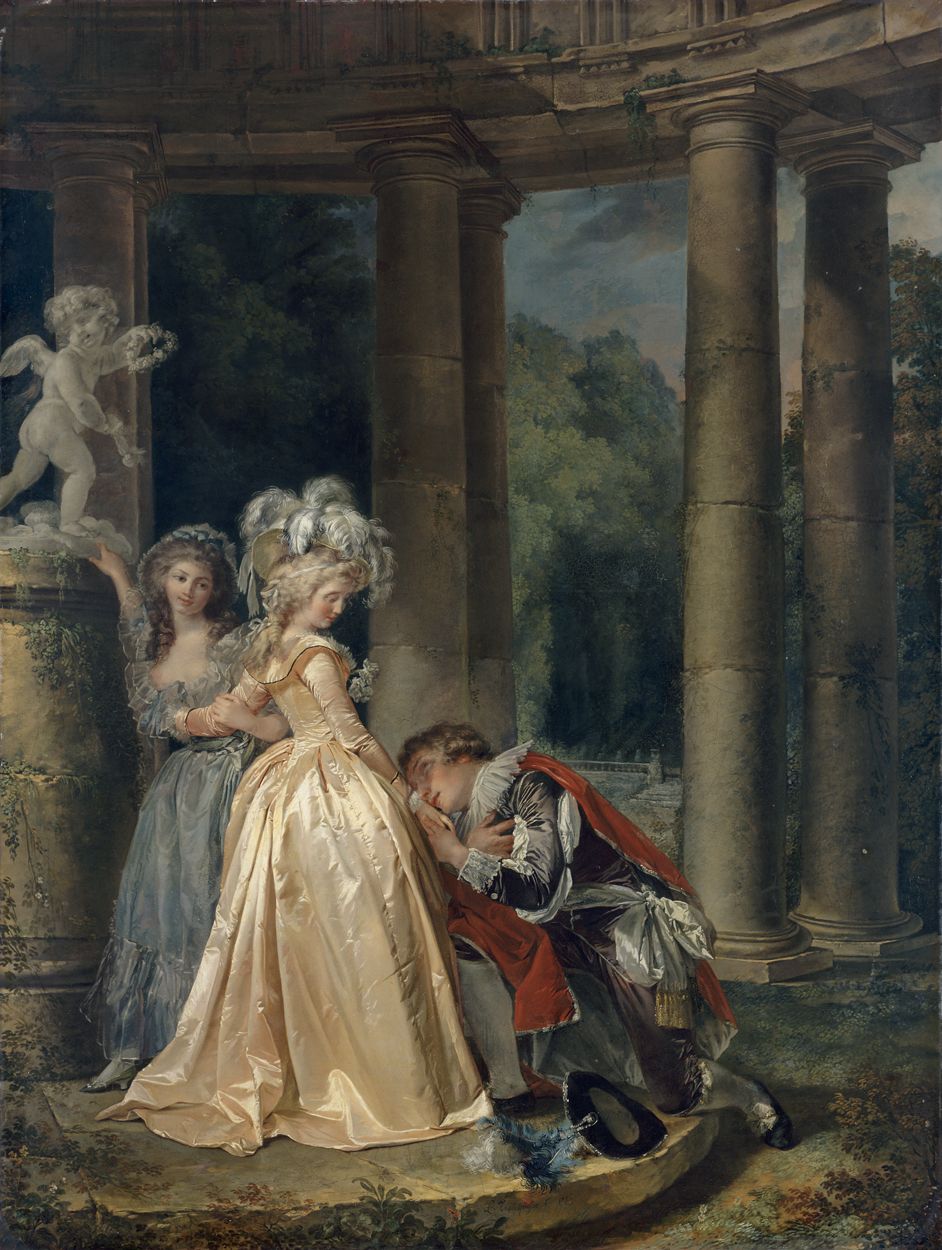
Louis-Roland Trinquesse, Le Serment à l'amour, 1786. Dijon, Musée des Beaux-Arts, photo: © Musée des Beaux-Arts de Dijon/François Jay The exhibition tour will be divided into four distinct sections:
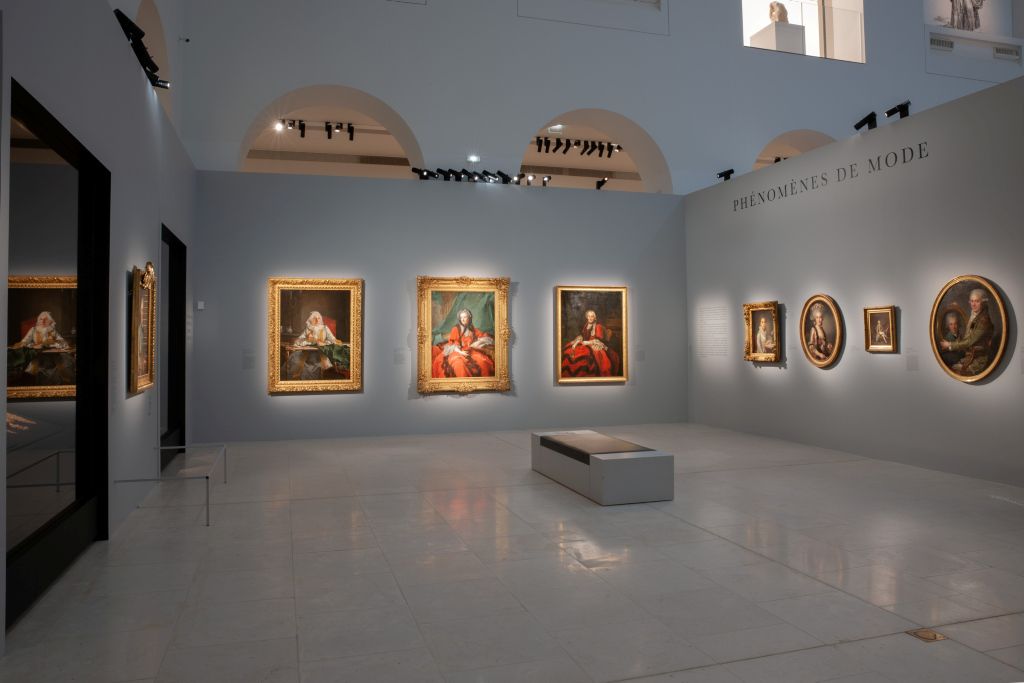
- Fashion phenomena: The first section of the exhibition focuses on showing how fashion phenomena gained momentum in painting and garments alike.
- Painters and the fashion: Section Two shows painters as players in fashioning fashion and as true ancestors of couturiers and fashion designers.
- Artists' fantasies: Section Three explores the connections between imaginary pictorial worlds and the iconic garments which they inspired.
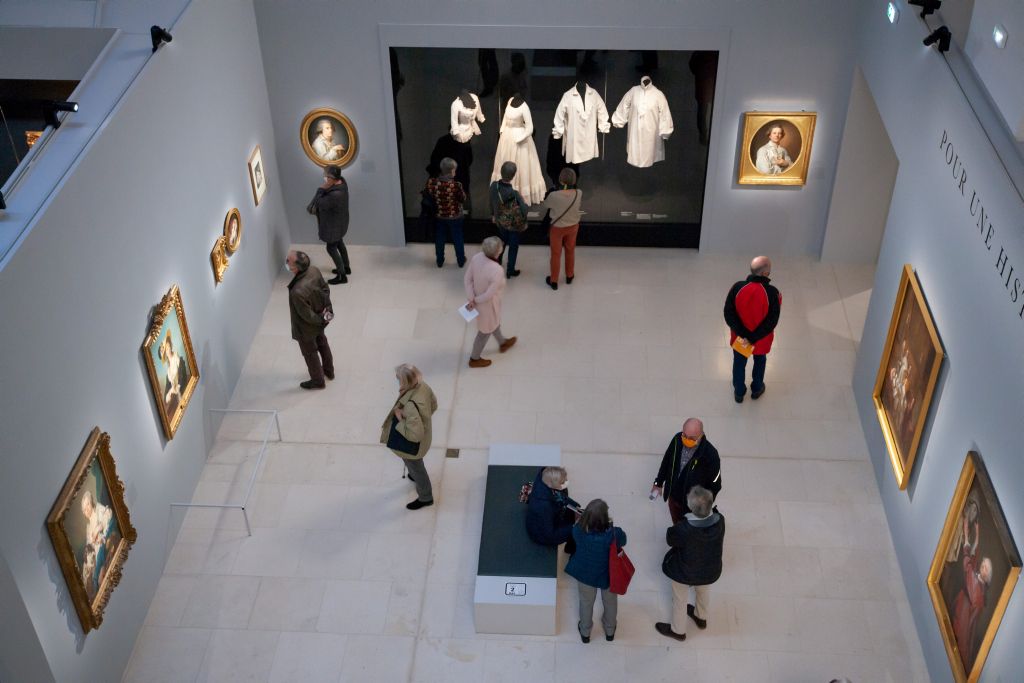
- A history of “négligé-déshabillé” style: The last section takes an innovative look at the growing trend for informality in male and female garments.
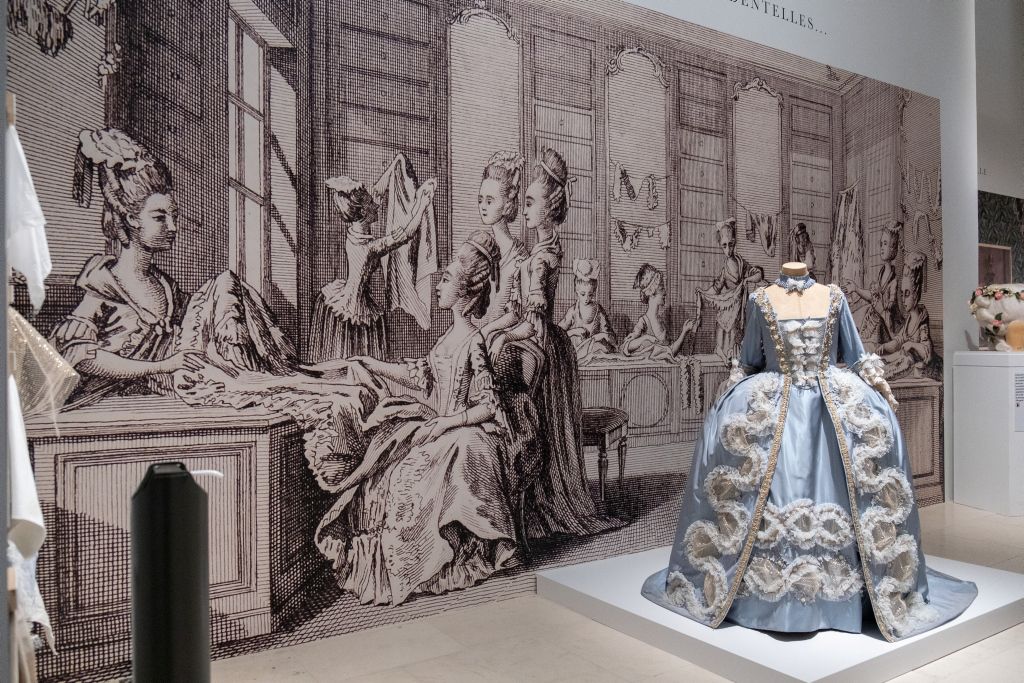
The fashion boutique
Located at the heart of the exhibition, a workshop area offers children and adults alike the chance to explore further, in a playful way. Three mediation systems have been devised:
- The first area recreates the atmosphere of the fashion merchant's office. The public can discover fabric samples, some of which were used by the Angers-Nantes Opéra costume workshop to design a magnificent French-style dress.
- A frieze showing the different layers of clothing illustrates the complexity of 18th-century ladies' attire.
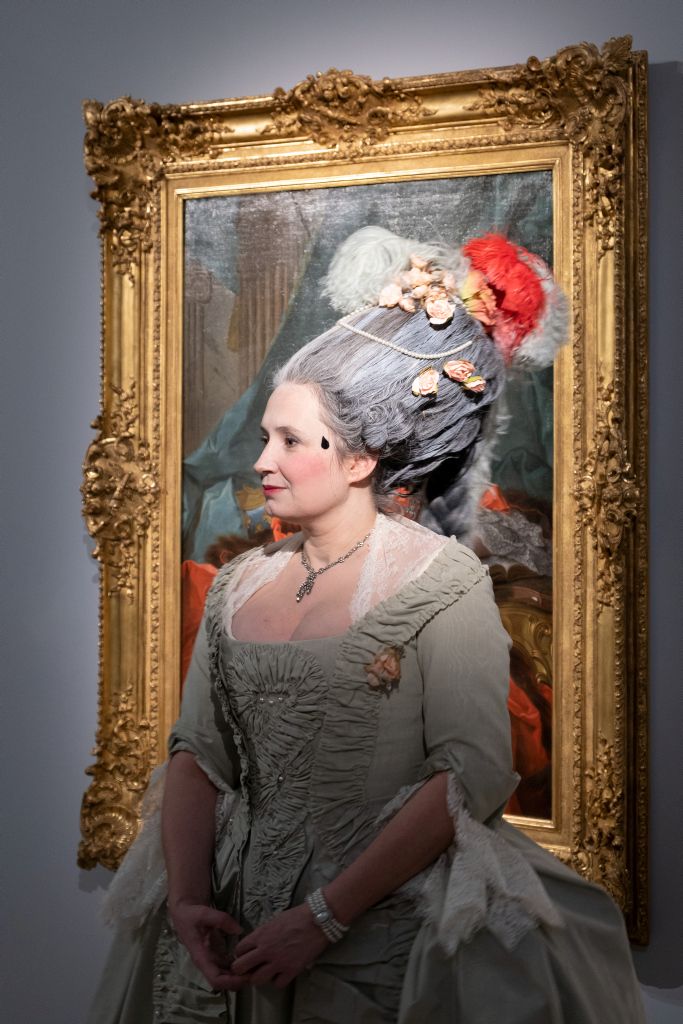
- A series of amusing passe-têtes, designed by photographer Paquito Couet, show how we would look dressed in 18th-century fashion! Throughout the exhibition, families will be able to discover a special itinerary specifically designed for them. Children's labels present the different outfits: French dress, English dress, robe... which will no longer hold any secrets for you!
-
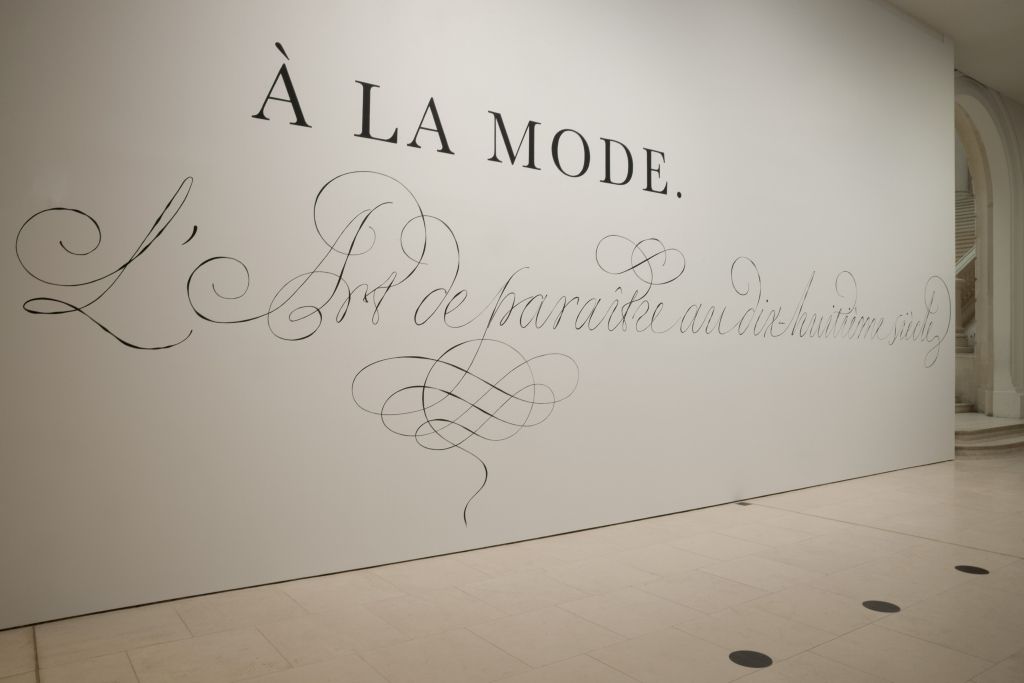
In photos
-
On video
Behind the scenes
Take a behind-the-scenes look at this exhibition-event.
With the impressive work of the technical teams, collections management, Nantes Métropole's maintenance and workshops department, restorers, lending museum curators, public services... From the installation of the scenography to the hanging of the works, not forgetting the restoration and care of the garments featured in the exhibition.
At the heart of the exhibition with Adeline Collange-Perugi
Adeline Collange-Perugi, curator in charge of the museum's early art collections and co-curator, presents À la mode. The art of appearing in the 18th century, including masterpieces and favorites.

The #Alamode tutorials
With Fanny Wilk from the blog Temps d'élégance, learn how to do your hair and makeup 18th-century style, with everything you have today!
1- 18th century make-up

2- 18th century hairstyle

Angers Nantes Opéra's stage dress
Discover the entire process of creating and manufacturing the stage dress presented in the exhibition À la mode. The Art of Appearance in the 18th Century. Until the concert given on December 9, 2021 at the Musée d'arts de Nantes, where the dress was worn by soloist Marie-Bénédicte Souquet.

Whale Paper Project
As part of the Connivencesproject, initiated by the City of Nantes in 2019 with the aim of strengthening cooperation between major cultural facilities and Nantes' neighborhoods, the Musée d'arts de Nantes and Angers Nantes Opéra have been working with the Nantes Sud neighborhood since 2020.

-
Catalog and books about the exhibition
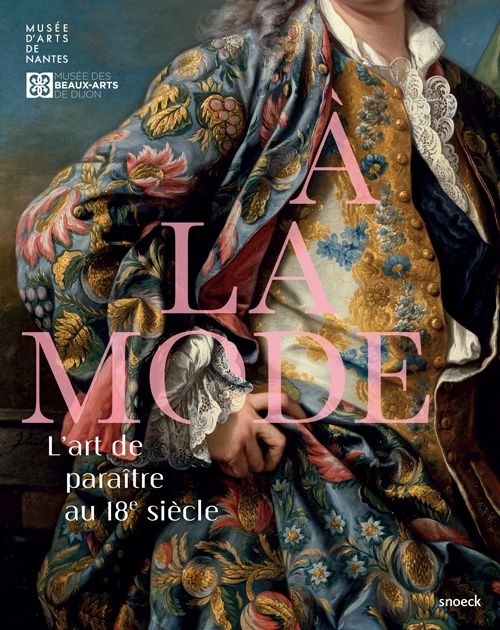
Catalog cover for the exhibition A la mode presented from November 26, 2021 to March 6, 2022. Musée d'arts de Nantes, photo. photo : C. Clos Catalog published for the exhibition À la mode. L'art de paraître au 18e siècle, presented at the museum from November 26, 2021 to March 6, 2022.
Available for consultation at the museum library and on sale at the museum bookshop-boutique.
Books selected by the museum library
The museum library has prepared a selection of books to accompany the exhibition À la mode. The Art of Appearance in the 18th Century. You can consult them at the library by appointment.

General curator:
Sophie Lévy, curatorial director of the Musée d'arts de Nantes.
Scientific curator:
Adeline Collange-Perugi, curator in charge of ancient art collections at the Musée d'arts de Nantes.
Pascale Gorguet Ballesteros, chief curator, head of the 18th century fashion and dolls department at the Palais Galliera, musée de la Mode de la Ville de Paris.
Sandrine Champion-Balan, Head Curator, in charge of the Collections Development Department, Collections Manager, in charge of modern collections for the exhibition curatorship at the Musée des Beaux-Arts de Dijon.
In exceptional collaboration with Palais Galliera, musée de la Mode de la Ville de Paris, Paris Musées. Co-produced with the Musée des Beaux-arts de Dijon, the exhibition will run from May 13 to August 22, 2022.
With the exceptional contribution of the Musée national des châteaux de Versailles et de Trianon.
The museum would like to thank L'État - Ministère de la Culture - DRAC des Pays de la Loire for subsidizing the exhibition.
The Musée d'arts de Nantes thanks its media partners.




The Musée d'arts de Nantes warmly thanks Galeries Lafayette for its partnership in fashion and design.
Caption and credits:
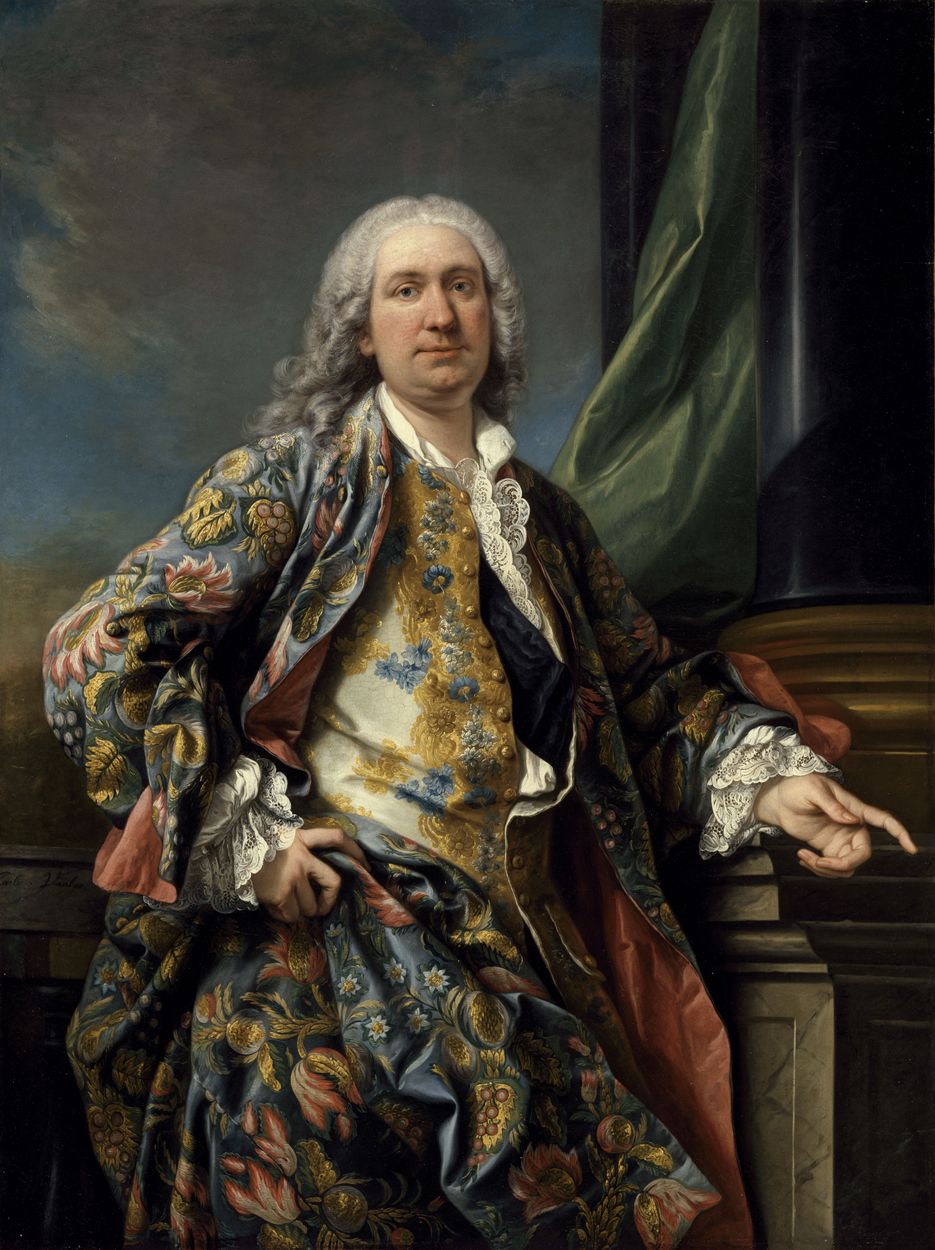
Charles André Van Loo, Carle Van Loo (dit), Portrait d'un inconnu du règne de Louis XV (dit autrefois Jacques Germain Soufflot), circa 1745-1750, oil on canvas, 143 x 108 cm, Versailles, Château de Versailles et de Trianon, photo: © RMN-Grand Palais (Château de Versailles) / Daniel Arnaudet