-
The exhibition
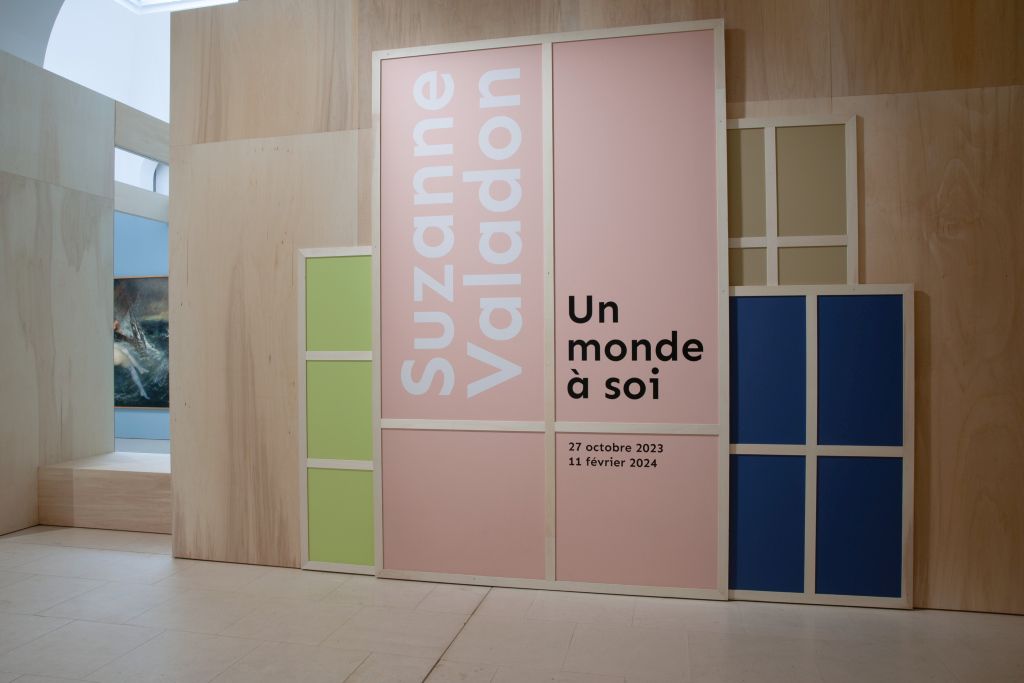
In this exhibition, the Musée d'arts de Nantes takes a fresh look at Suzanne Valadon's extraordinary career, from her beginnings as a model to her heyday as an artist in avant-garde Montmartre.
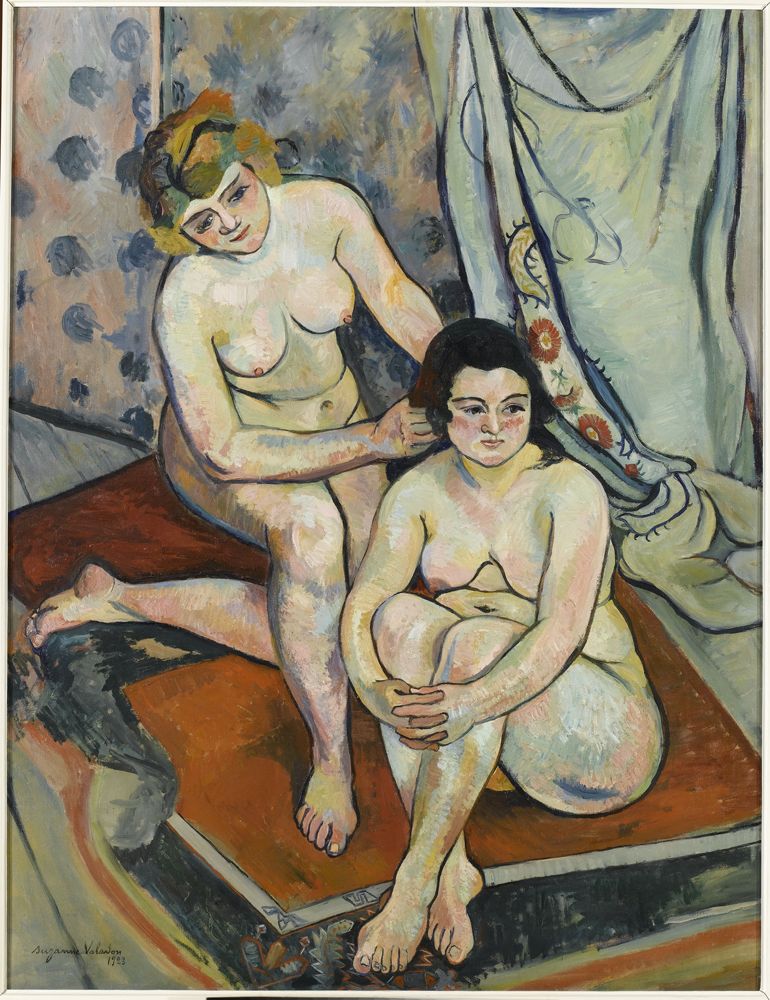
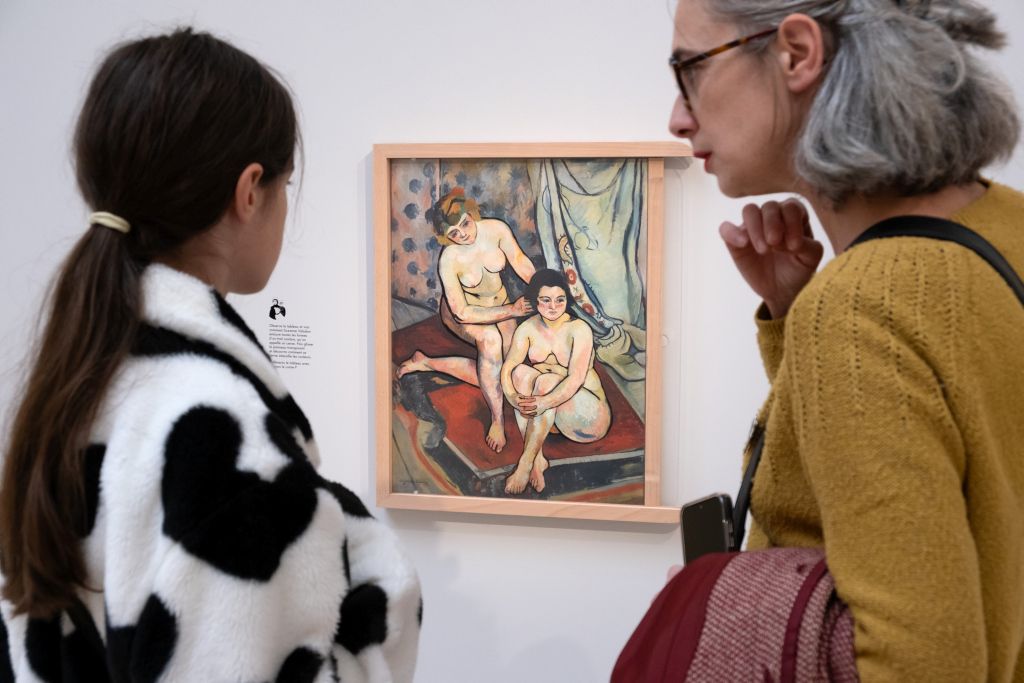
Suzanne Valadon, Les Baigneuses, 1923. Gérard Blot/Agence photographique de la RMN-GP A self-taught artist with an extraordinary destiny
Suzanne Valadon (1865-1938) left a fascinating, transgressive and uncompromising body of work.
Ardently defending the need to paint reality, she broke with the traditional idealization of the body. She paints intimate scenes of everyday life with a strong outline and a chromatic richness of incredible modernity.
Possessing the masterpiece Les Baigneuses Nouvelle fenêtre (1923), acquired in 1957 thanks to the Friends of the Museum, the Musée d'arts de Nantes is once again honouring this self-taught artist, whose work was overlooked by art history after her death.With around 120 paintings and works on paper, the exhibition traces her career on the Parisian art scene at the turn of the 19th and 20th centuries, from her years as a model (for Auguste Renoir, Pierre Puvis de Chavannes, Henri de Toulouse-Lautrec...) to her most radical personal works. The freedom with which she tackled traditional painting genres (nudes, portraits, still lifes, landscapes) highlights the pivotal position of this emblematic figure of avant-garde Montmartre.
A set organized into five sections:
- From model to artist: from Maria to Suzanne: before becoming Suzanne Valadon, the child of the Butte, Marie-Clémentine Valadon, chose the first name Maria to model for numerous artists.
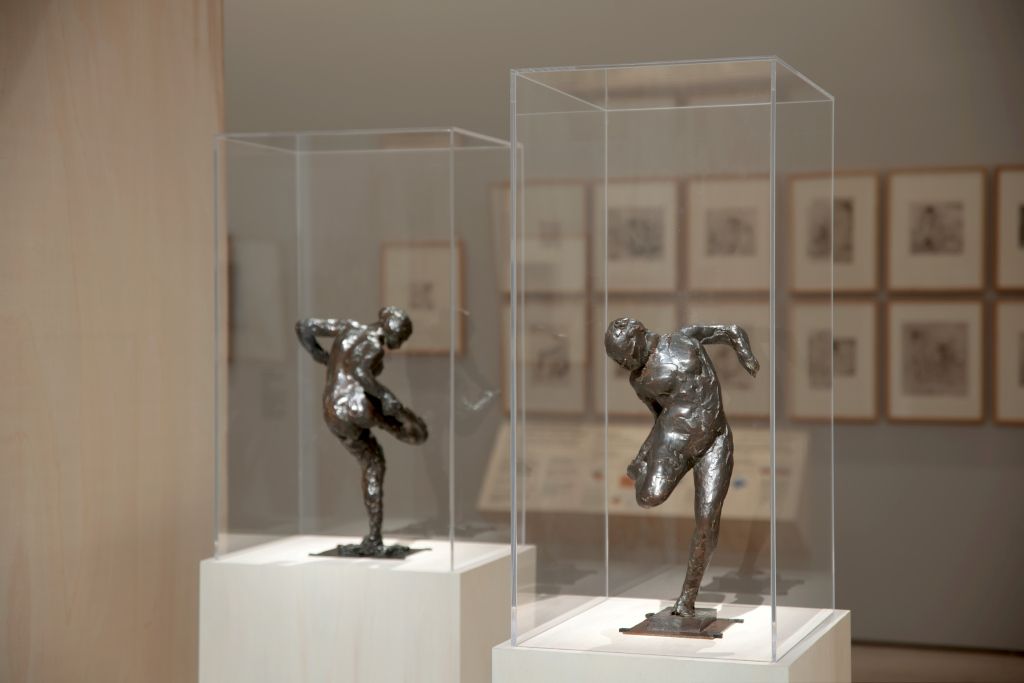
- Drawings and engravings: the early years: from his first known work, a pastel self-portrait signed "Suzanne Valadon" in 1883, to his apprenticeship as an engraver with Edgar Degas.
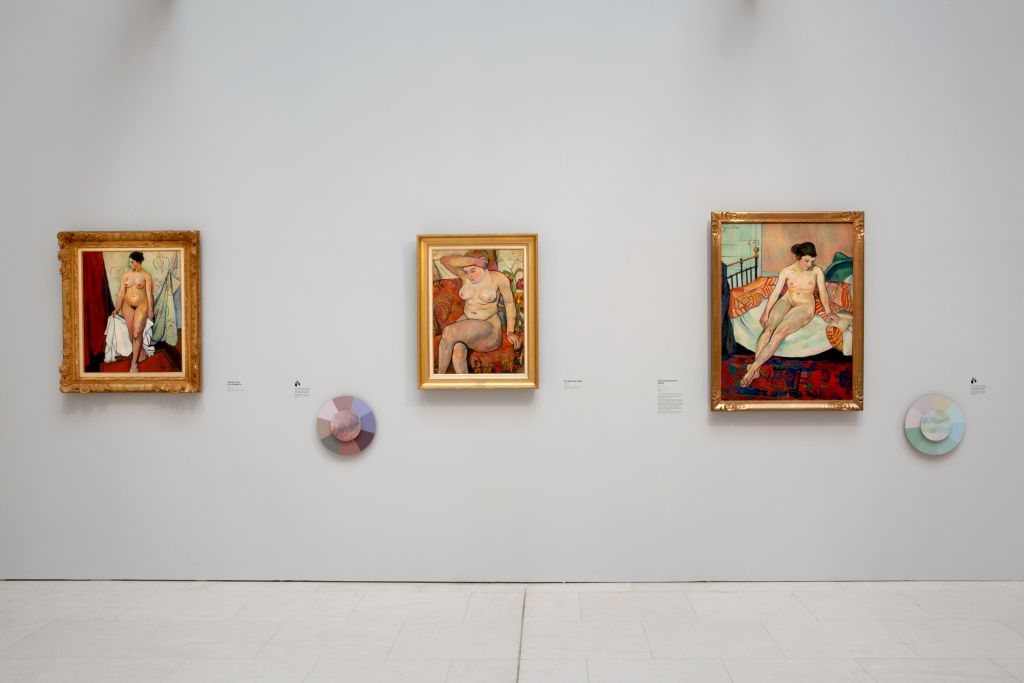
- A pictorial revolution through the nude: drawing on her own experience as a model and far from a realistic approach, the artist paints numerous female nudes with frankness and complicity.
- Still lifes and landscapes: as a true painter, she had the ambition to embrace all the modern genres of her time: nudes, portraits, but also still lifes and landscapes.
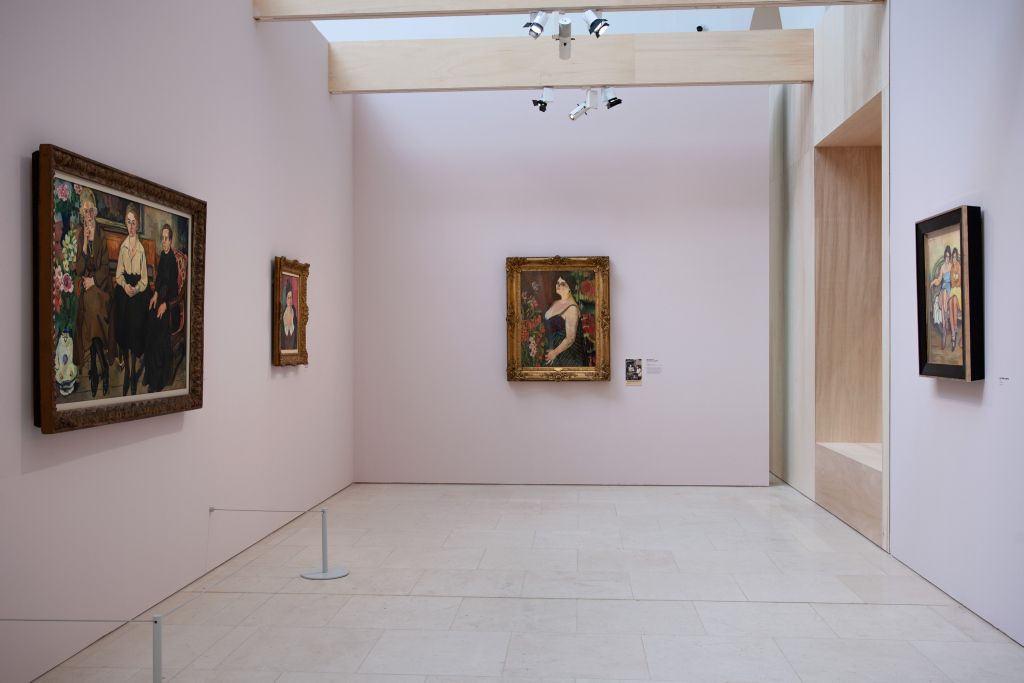
- Portraits of a circle of supporters: the portraits painted by Suzanne Valadon bear witness to an entourage of family, friends and professionals.
Thematic asides
Three thematic sidebars provide historical context and explore the avenues open to women artists at the turn of the 19th and 20th centuries. Focusing in turn on the lives of models in early 20th-century Paris, the social conquest of the status of artist by women at the same time and exploring the multiple interactions possible in the avant-garde circles of artistic Paris from 1910 to 1930.Three essential questions are thus raised:
- What was it like to model in Paris at the time?
- How could you train as a woman?
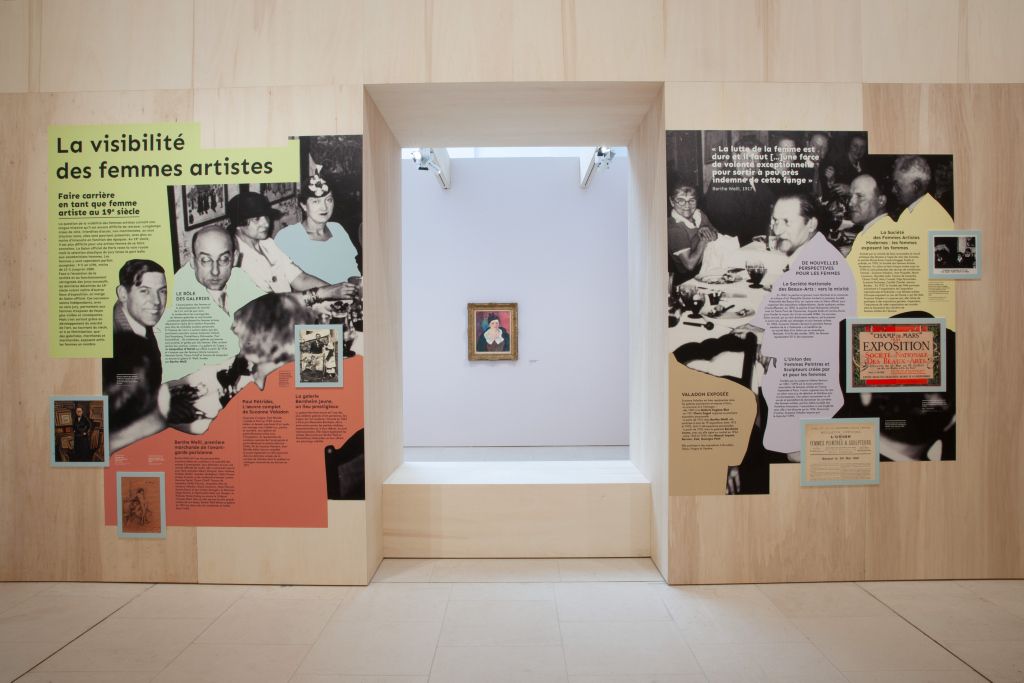
- How visible are women artists?
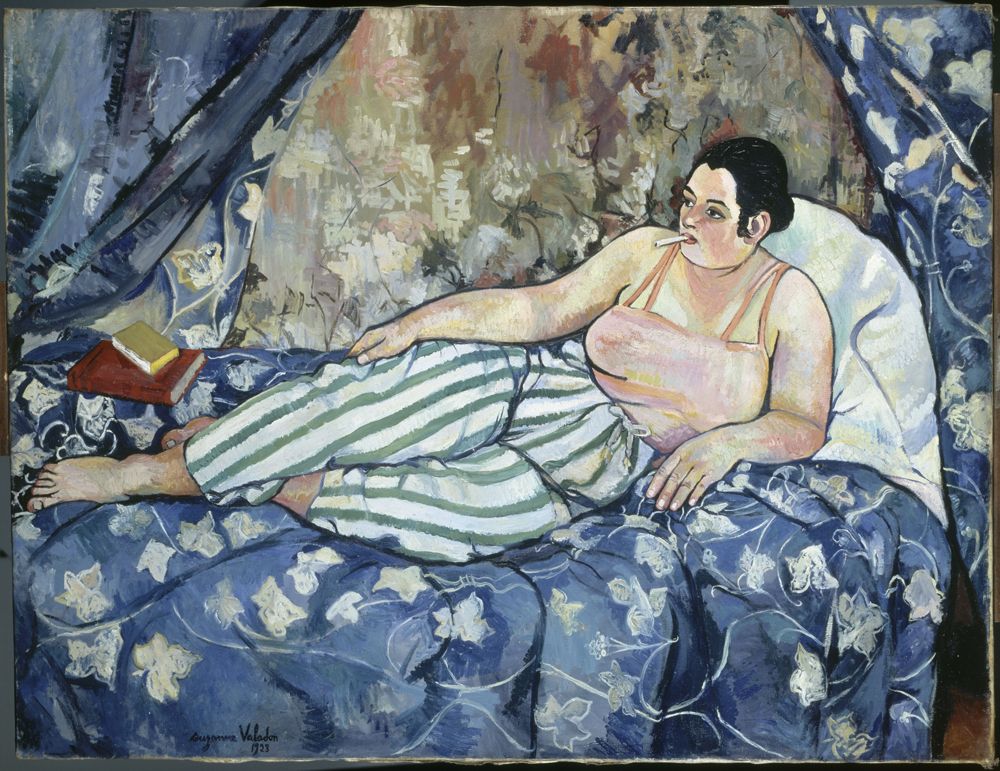
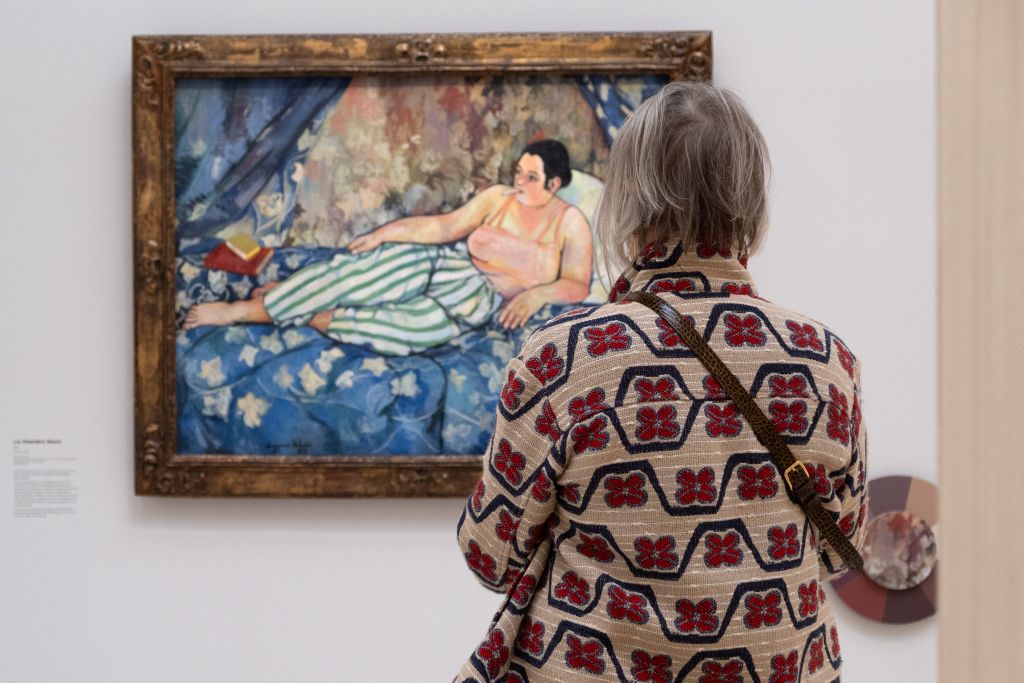
Suzanne Valadon, La Chambre bleue, 1923. Paris, Centre Pompidou, Musée national d'art moderne - Centre de création industrielle, on loan from Musée des beaux-arts de Limoges. Photo: © Centre Pompidou, MNAM-CCI, Dist. RMN-Grand Palais / Jacqueline Hyde. -
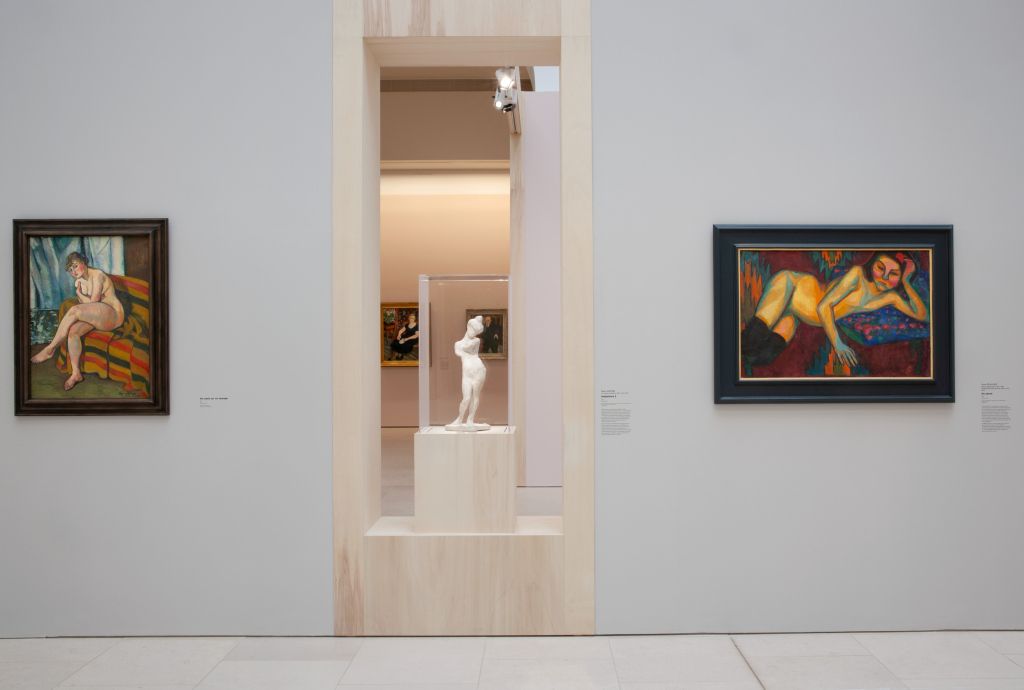
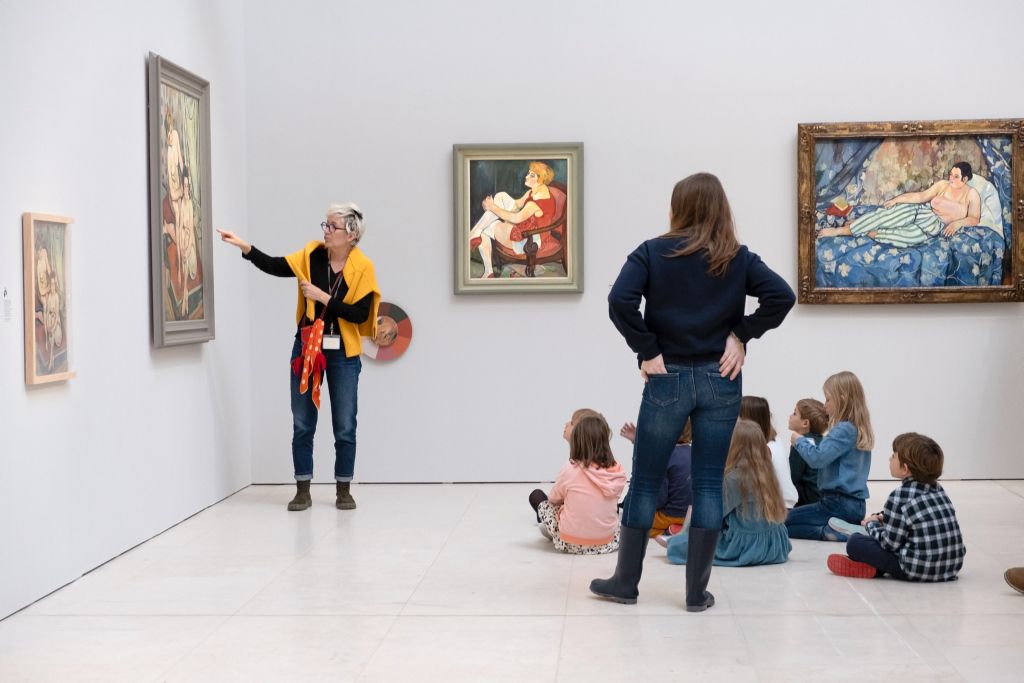
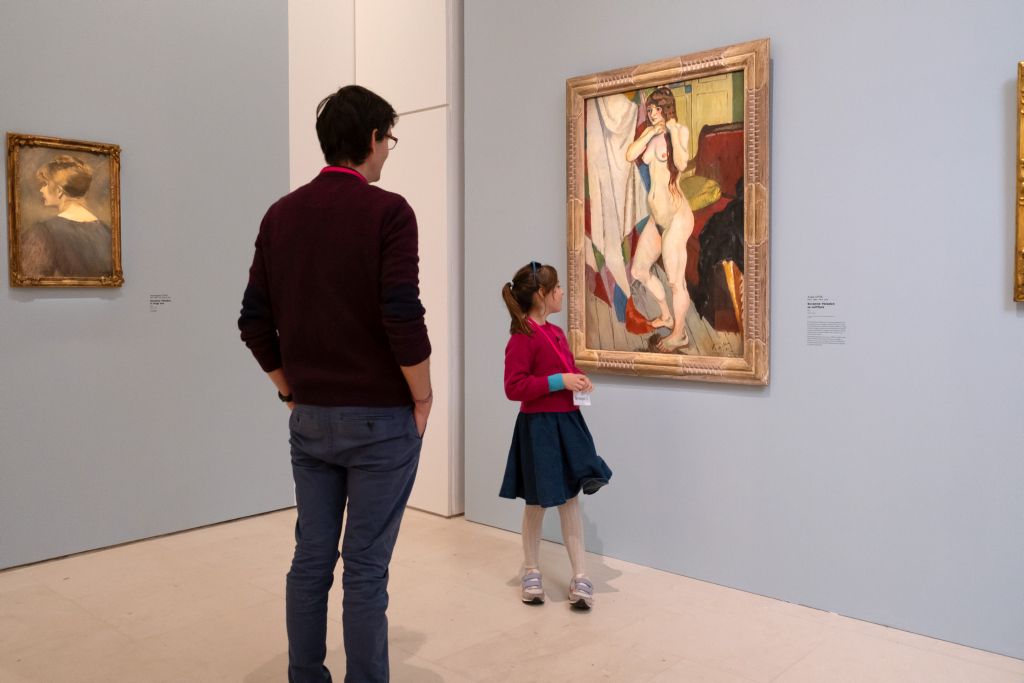
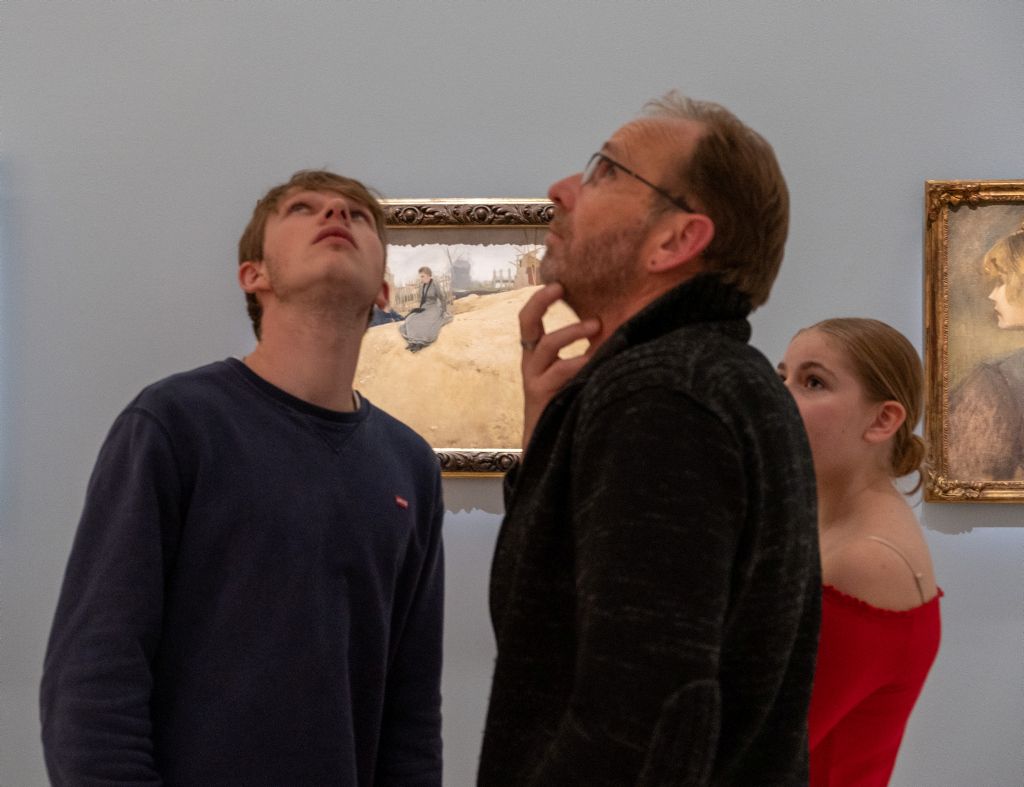
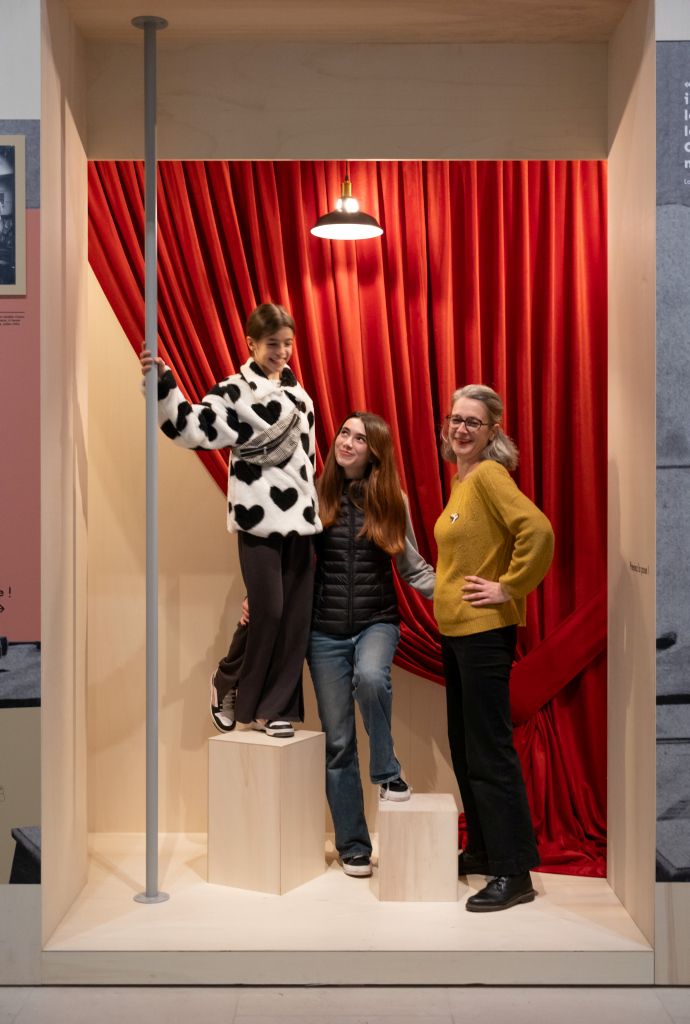
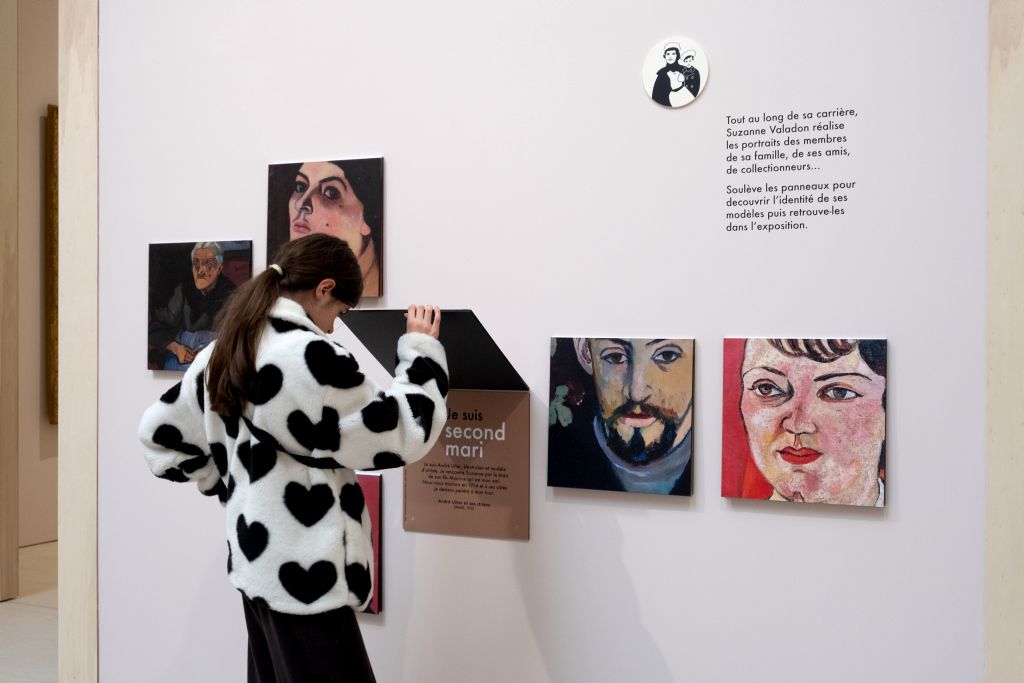
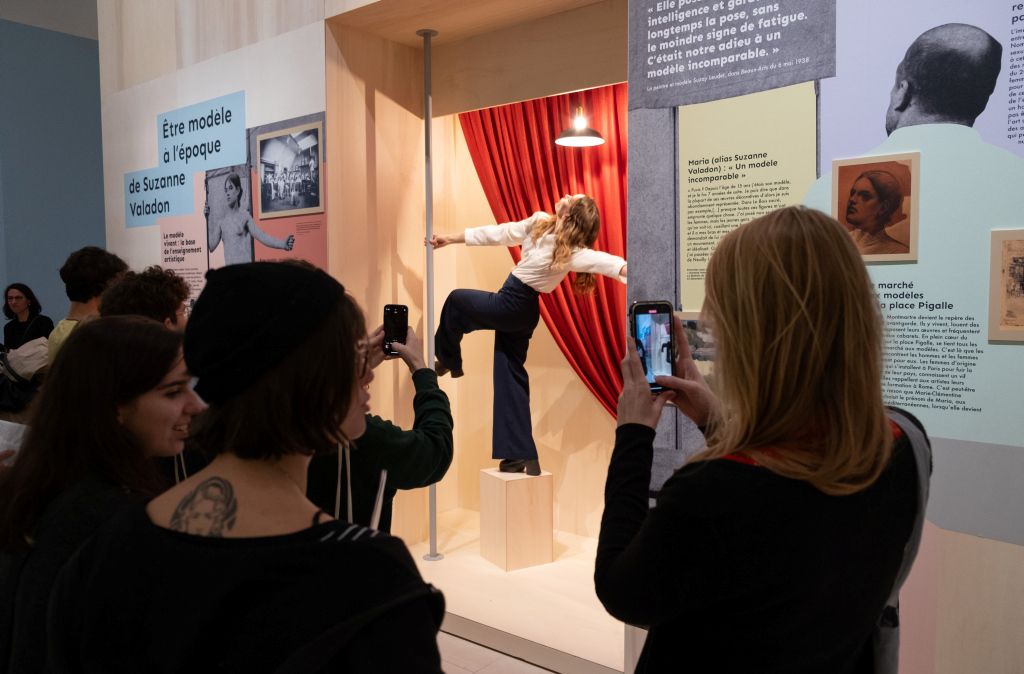
In photos
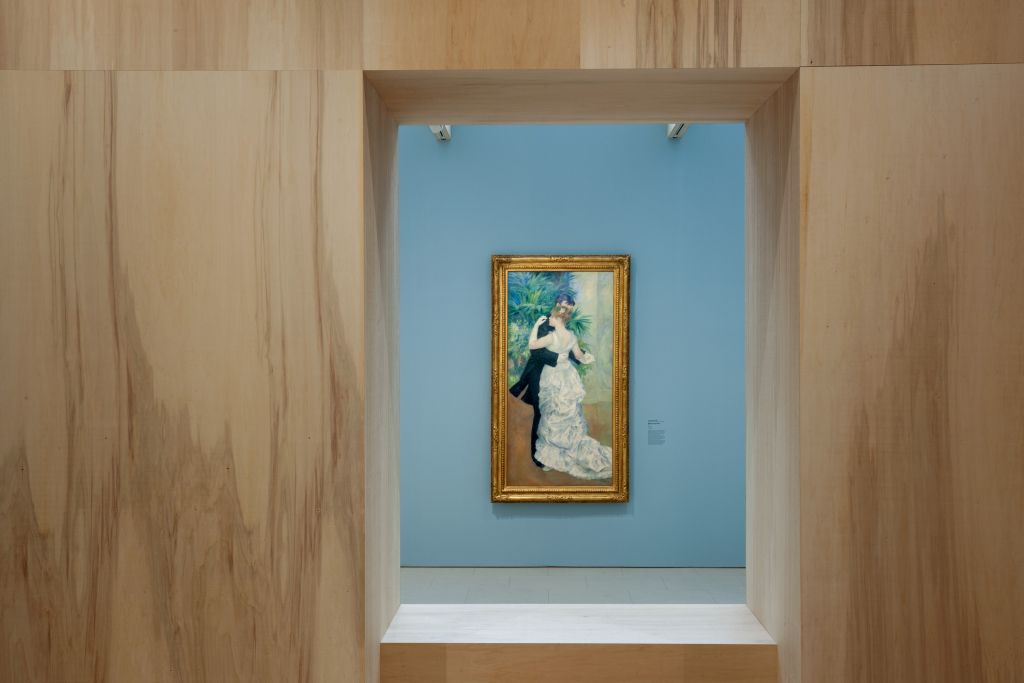
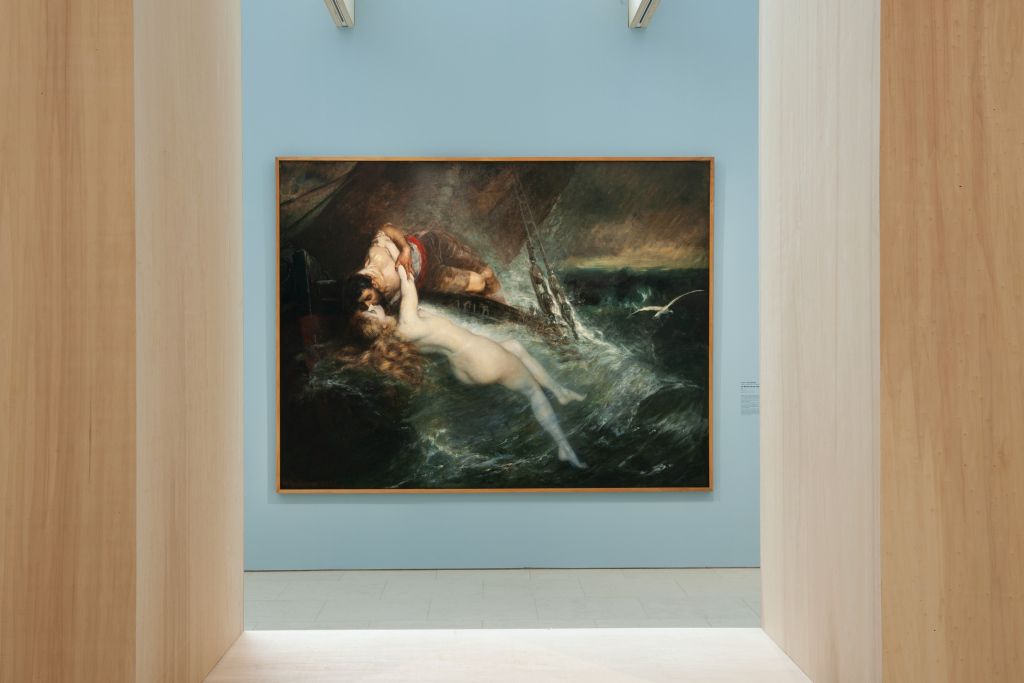
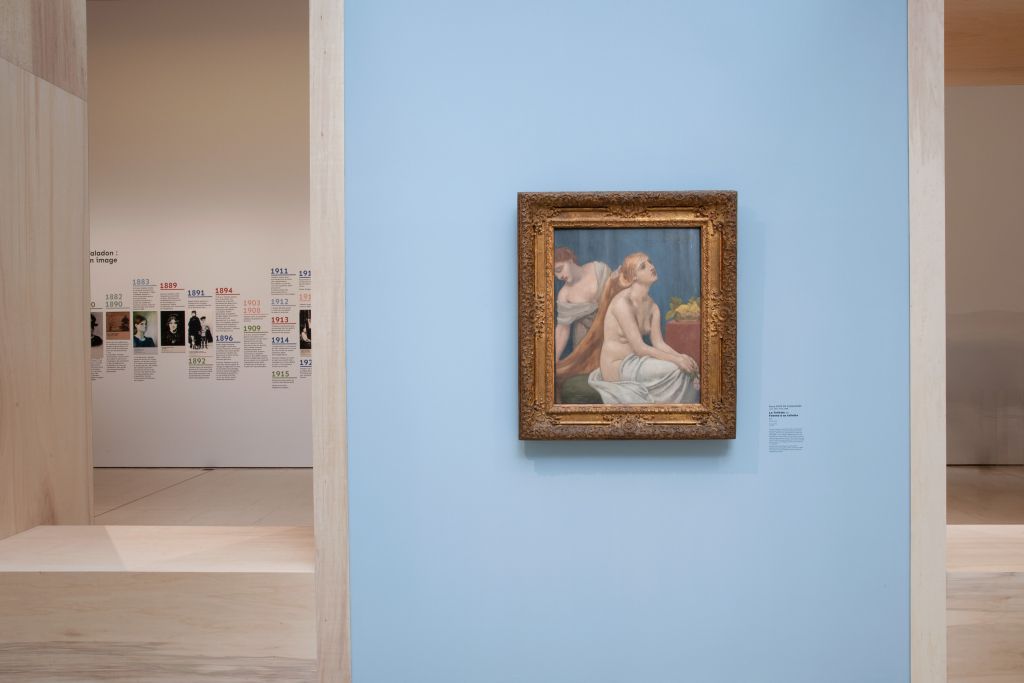
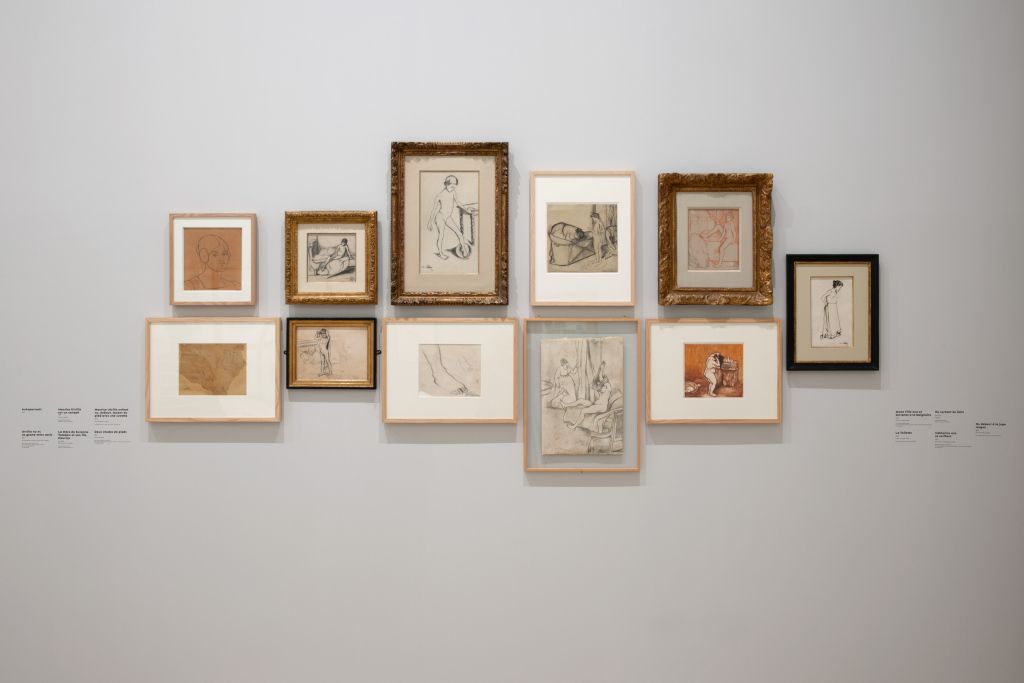
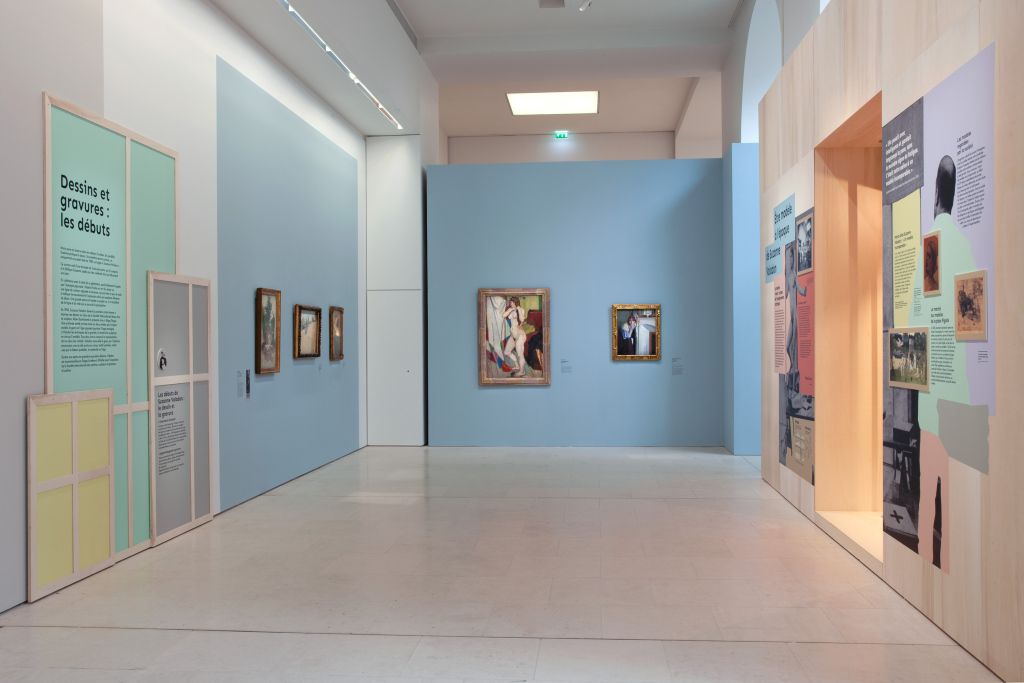
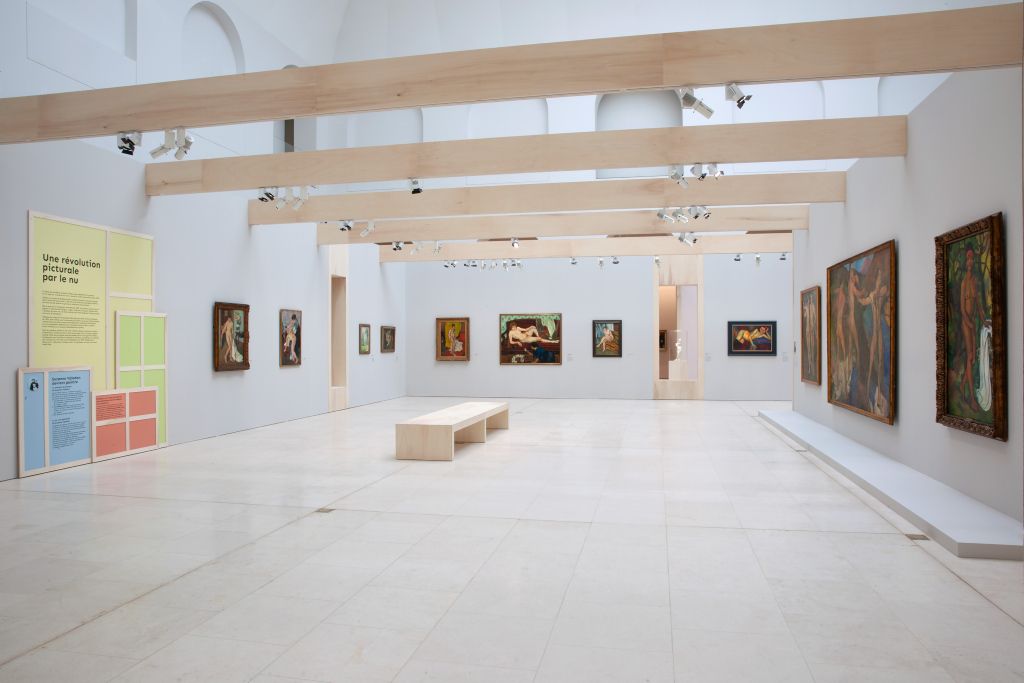
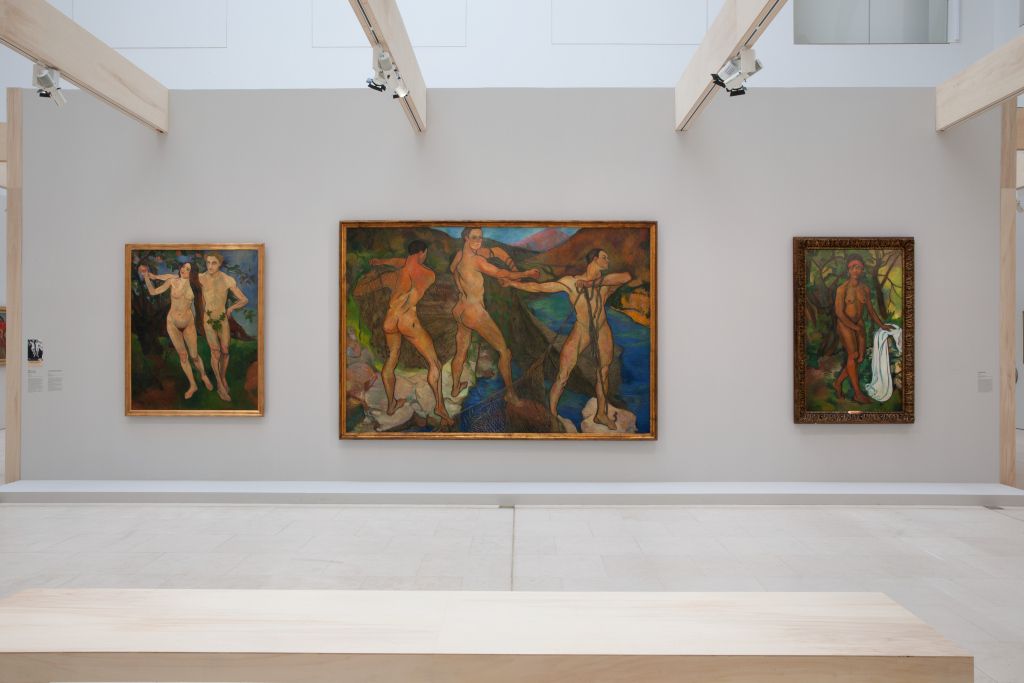
-
On video
At the heart of the exhibition with Salomé Van Eynde
In just 2 minutes, Salomé Van Eynde, exhibition manager at the Musée d'arts de Nantes, plunges you into the world of Suzanne Valadon and her works, presented in the Suzanne Valadon exhibition. Un monde à soi.

Portraits of incredible, little-known women by Louise Ebel
Content creator specializing in portraits of women, @louiseebelpandora New Window has over 83,000 followers on Instagram. Enchanted by Suzanne Valadon's colorful personality and creativity, she presents a two-part portrait of the artist.
Episode 1: Becoming Valadon
Episode 2: Forward Valadon
Women artists series
To mark International Women's Rights Day on March 8, 2021, the museum published its Women Artists series New Window, highlighting some of the women exhibited in the museum.

Welcome to Club R-26
Echoing the Suzanne Valadon. Un monde à soi, let's take a look back at the web series Bienvenue au Club R-26 Nouvelle fenêtre and its first episode dedicated to Suzanne Valadon.

-
In podcast
Brève d'art is a podcast series created by the magazine Coupe-File Art New Window. Short episodes, to find out more about an exhibition, an event or the life of an artist, as here with Suzanne Valadon.
-
Catalog and books about the exhibition
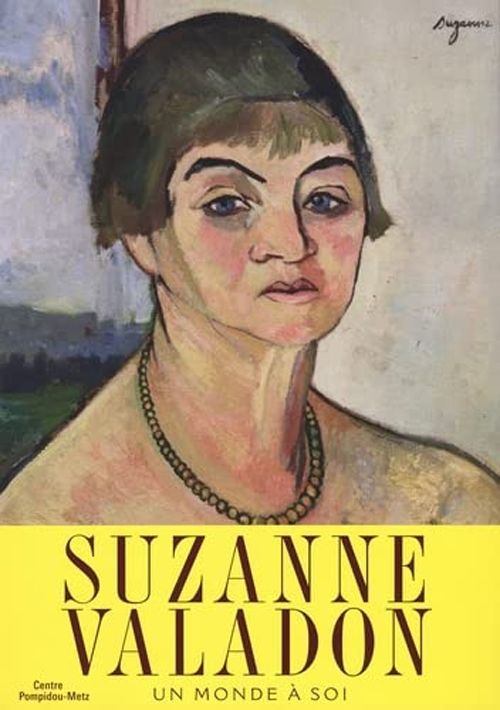
Catalog published for the exhibition Suzanne Valadon. Un monde à soi, presented at the museum from October 27, 2023 to February 11, 2024.
Available for consultation at the museum library, and on sale at the museum bookshop-boutique.
Books selected by the museum library
Here is a selection of books about the exhibition Suzanne Valadon. Un monde à soi. You can consult them at the library by appointment.

General curator:
Chiara Parisi, director of the Centre Pompidou-Metz.
Scientific curator:
Claire Lebossé, curator responsible for the modern art collections at the Musée d'arts de Nantes.
Sophie Lévy, curatorial director of the Musée d'arts de Nantes.
Salomé Van Eynde, exhibition manager at the Musée d'arts de Nantes.
This exhibition was designed and presented by Center Pompidou-Metz from April 15 to September 11, 2023, then taken over and adapted by the Nantes Art Museumfrom October 27, 2023 to February 11, 2024.
It will then be shown at the Museu Nacional d'Art de Catalunya, Barcelona from April 19 to April 1er September 2024.
The Musée d'arts de Nantes thanks its patrons Lamotte Group, LNA Santé and SNCF Réseaux for its substantial financial support of the exhibition, and the Metropolitan Fund for Culture.



The museum would like to thank L'État - Ministère de la Culture - DRAC des Pays de la Loire for subsidizing the exhibition.
The museum extends its warmest thanks to its media partners, who, through their support, play an active part in helping the public to discover the exhibition and to visit it.





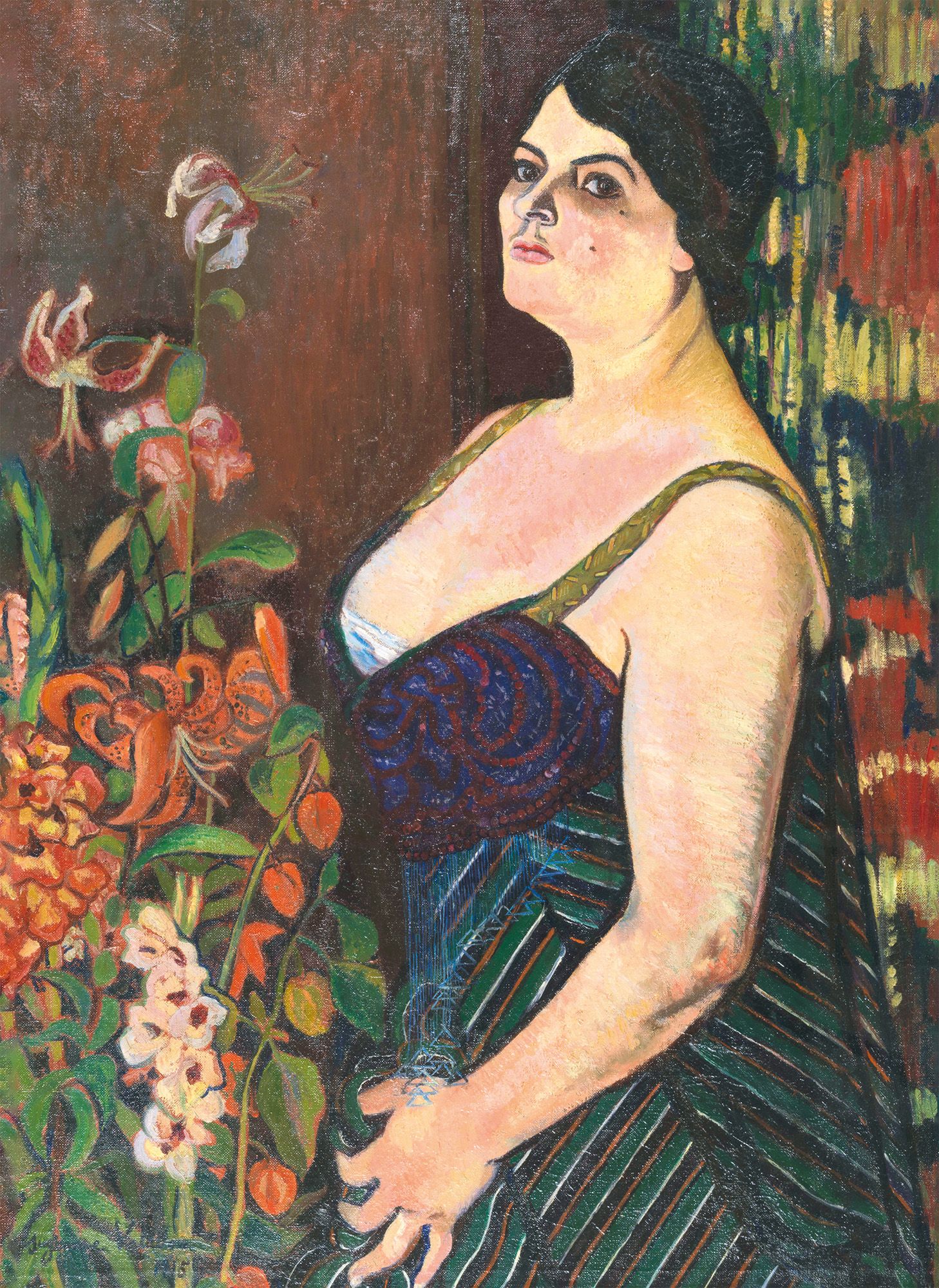
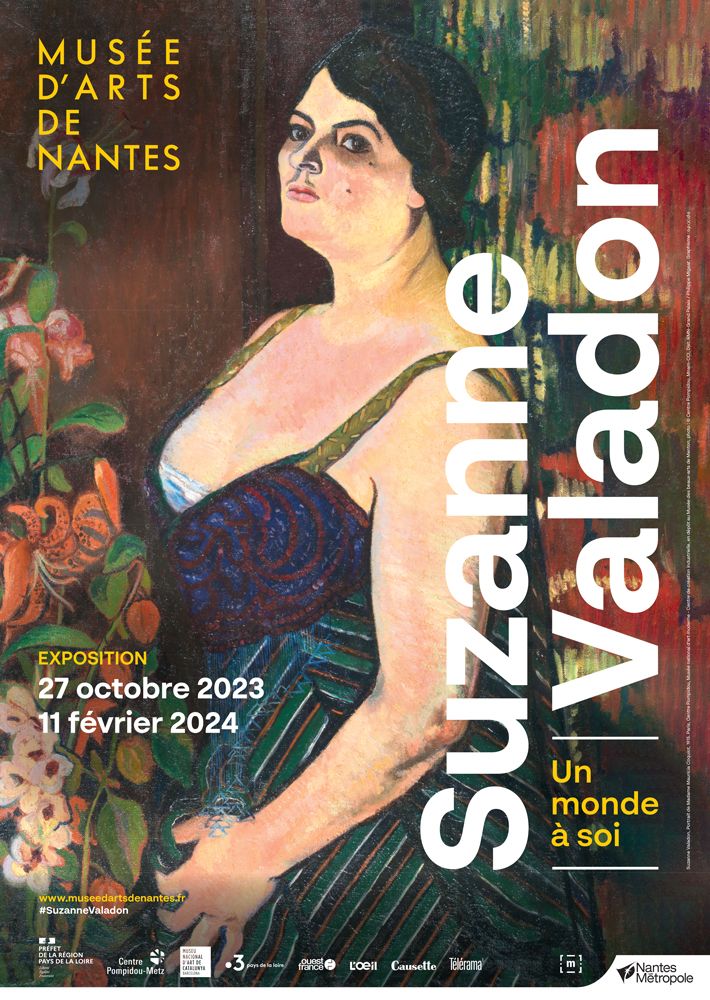
Legend and credits
Suzanne Valadon, Portrait de Madame Mauricia Coquiot, 1915
Oil on canvas, 93 x 73 cm. Paris, Centre Pompidou, Musée national d'art moderne - Centre de création industrielle, on deposit at the Musée des beaux-arts de Menton. Photo: © Centre Pompidou, MNAM-CCI, Dist. RMN-Grand Palais / Philippe Migeat.