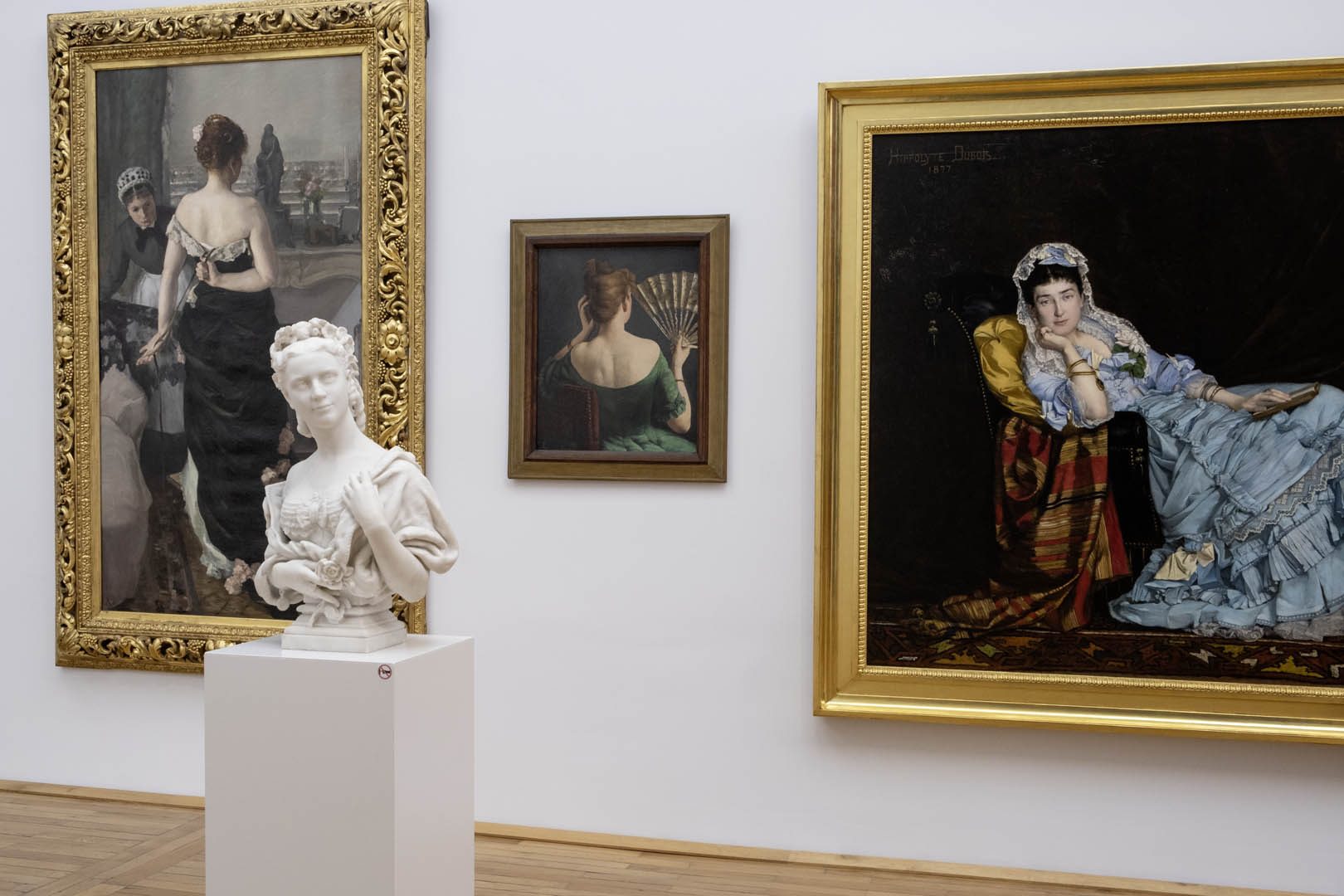
Rich and coherent, the 19th-century collection of the Musée d'arts de Nantes follows the canons of official art, represented by Paul Delaroche, Hippolyte Flandrin, Alexandre Hesse and Nantes artist Jules-Elie Delaunay. It is also remarkable for the presence of strong, singular works by Ingres, Courbet, Gérôme and Delacroix, the fruit of bold acquisition choices from the 1830s onwards. From the spirited Battle of Nazareth by Baron Gros (1799) to the formal and pictorial purity of Nabi's Brodeuse of Paul Sérusier's Brodeuse (1925), the museum takes visitors on a journey through this century in images.
-
The collection
For its museum, newly opened to the public in 1830, the City of Nantes turned to the art of its time, acquiring works at the Salon des artistes français in Paris, at the Salons nantais and from antique dealers. Works byEugène Delacroix and Gustave Courbet entered the museum during their lifetime. Gérôme's Tête de femme coiffée de cornes de bélier is the first work by the artist to enter a French public collection.
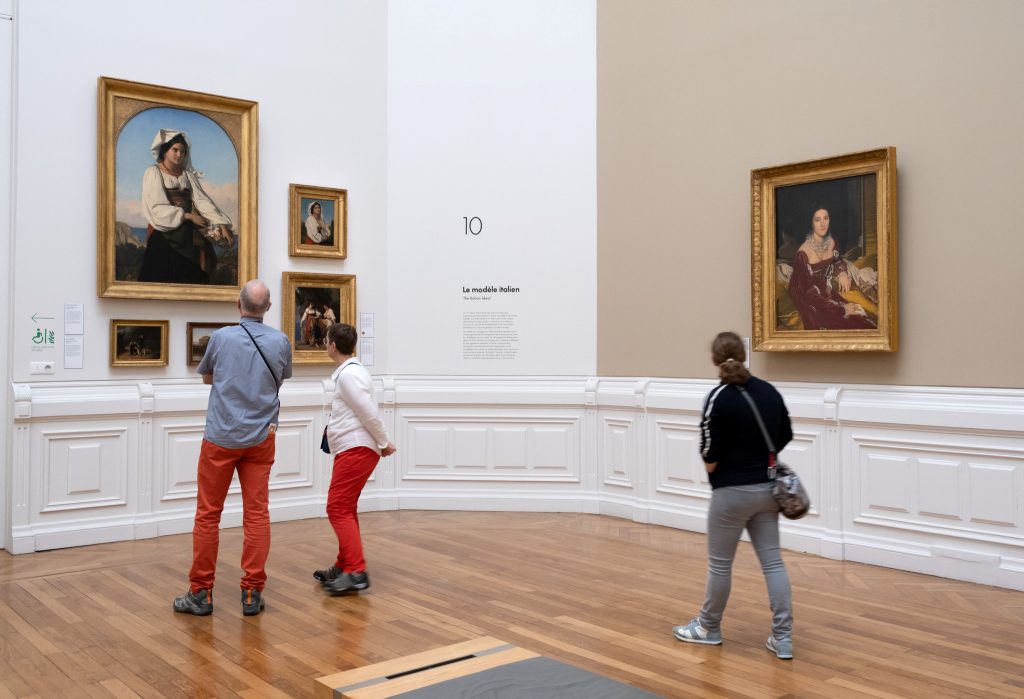
The purchase in 1853 of Portrait de Madame de Senonnes by Ingres gave a new lustre to the collection, which was enriched at the same time by two major gifts. In 1852, the Clarke de Feltre collection brought in 63 works from the 1830s-1850s, including paintings by Paul Delaroche, Hippolyte Flandrin and Horace Vernet. This was followed in 1854 by some twenty 19th-century works from the Urvoy de Saint Bedan collection: Antoine-Jean Gros, Ary Scheffer, Théodore Géricault, Jacques-Raymond Brascassat...
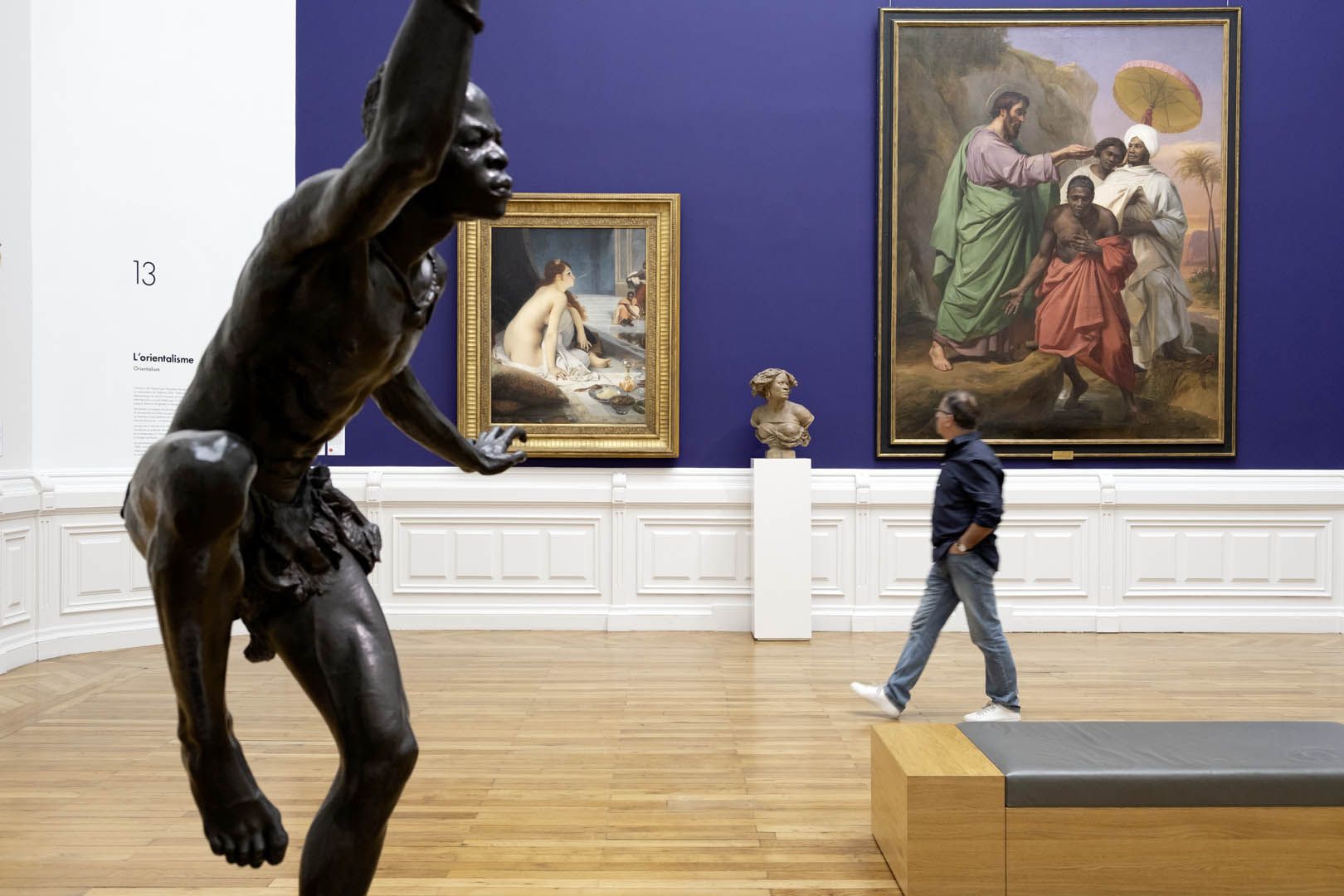
This original and ambitious acquisition policy, supplemented by government consignments, also reflected the tastes of his time, favoring certain pictorial currents, such as the Barbizon school with works by its representative from Nantes, Jules Dupré, and Orientalism with L'Esclave blanche. The White Slave by Jean-Jules-Antoine Lecomte du Nouÿ (1888). The museum rounds out its collections with historical paintings (Charlotte Corday by Paul Baudry, 1861), and sculpture with the striking The Gorilla Abducting a Woman (1887) byEmmanuel Fremiet. Academic art from the second half of the 19th century is also well represented, with works, partly bequeathed, by Nantes artist Jules-Élie Delaunay.
Works by high society painter James Tissot, Symbolist Edgard Maxence and Pre-Raphaelite Edward Burne-Jones complete the panorama of an exceptional collection, one of the richest in French museums, some of whose most remarkable works have been elevated to iconic status.
-
Hanging
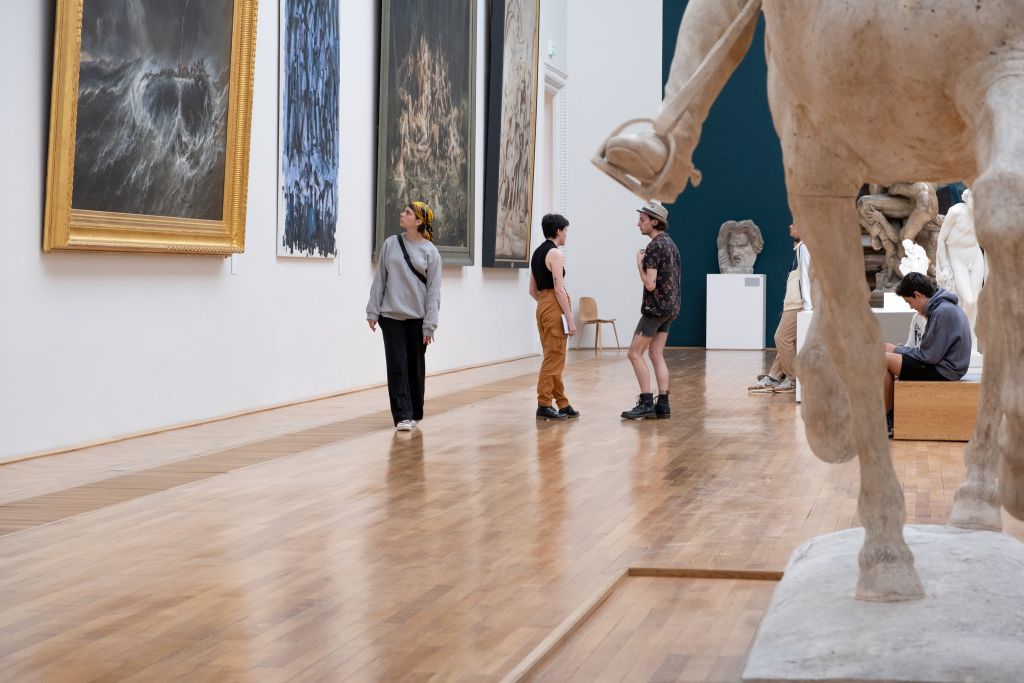
Visitors will discover the major trends in 19th-century painting - Romanticism, Realism, Orientalism, Naturalism and Symbolism - presented with particular attention to the artistic, social and political context of their creation. The integration of contemporary works by James Guitet, Daniel Soulages and Joan Mitchell invites transchronological dialogue between artists, offering a cultural and visual experience rather than a linear narrative.
This thematic and cross-disciplinary approach reveals the vision of artists who, like Jules Elie Delaunay, were satisfied with the academicism still predominant at the Salon, or who, like Gustave Courbet, were emancipated from it.
She recalls that the experience of plein-air painting led painters like Camille Corot, Jules Dupré and Eugène Boudin, then Claude Monet, from undergrowth to aquatic landscapes, towards new ways of representing the world. The craze for Orientalist works by Rudolph Ernst, Eugène-Alexis Girard and Jean-Léon Gérôme emerged in the context of the decree abolishing slavery (1848), France's colonial expansion and the urban bourgeoisie's need for exoticism. In the second half of the 19th century, Paul Baudry, Jules Elie Delaunay and James Tissot portrayed this same bourgeoisie in their finest finery, but the representation of women remained stereotypical: mother, seductress, victim or alienated(Une stigmatisée au Moyen-Âge, Georges Moreau de Tours, 1895).
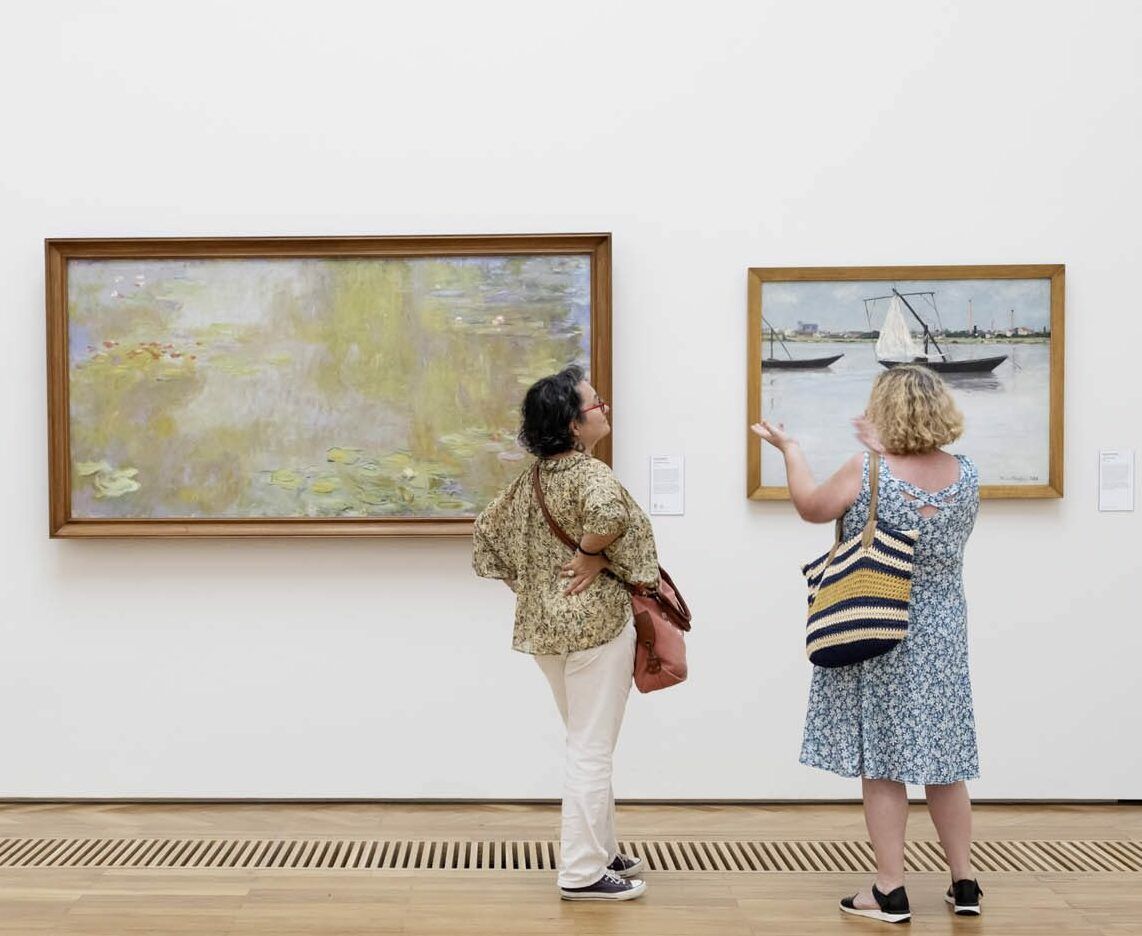
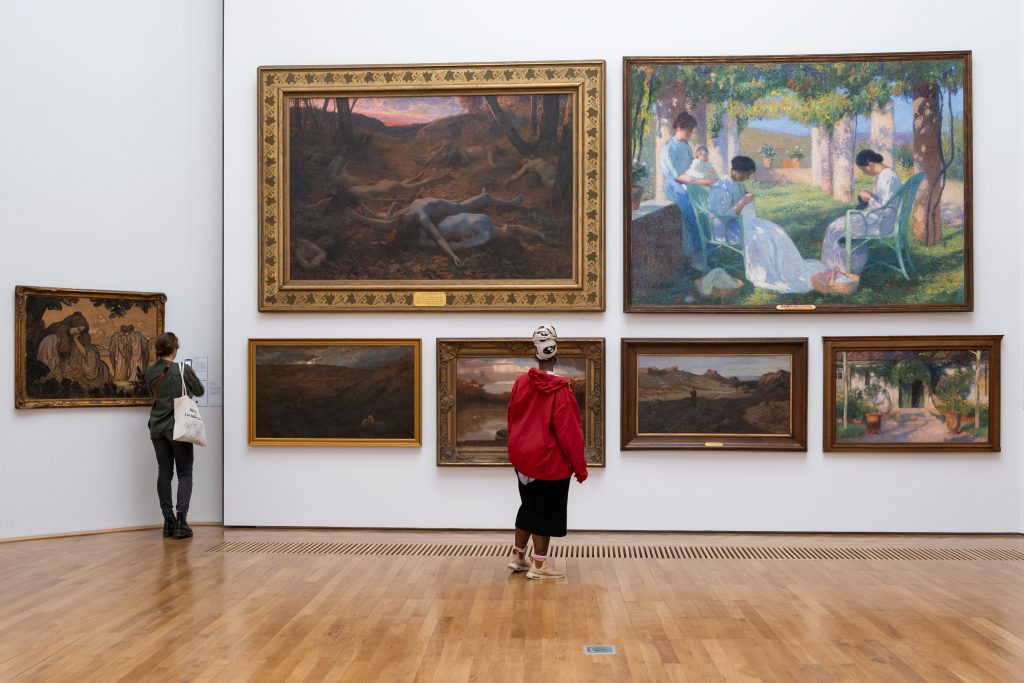
As visitors stroll through the galleries, they discover how painters are overturning the hierarchy of genres. History painting(Xavier Sigalon) is reinvented in favor of historical genre painting, conducive to writing a national narrative(Eugène Roger). Everyday life and work were elevated to the status of great historical painting, with a realism that Gustave Courbet defended in The Wheat Sifters, (1853). The evocation of political crises and successive wars called into question the representation of power and war(Devant le rêve ; Paul Legrand,1897).
As the visit progresses, an escape into the imaginary and spiritual is suggested around Lady Frances Balfour by Edward Burne-Jones (1880), with various trends represented by Louis Welden Hawkins, Edgard Maxence, Alexandre Chantron or Jean Benner in a broad acceptance of symbolism.
This journey through the 19th century concludes with works by Claude Monet, Louis Cylkow, Paul Signac, Émile Bernard and Paul Sérusier, reminding us that these painters, by freeing themselves from the obligation of representation in favor of sensation, form and color, paved the way for modern art.
-
Emblematic works
Emblematic works
-
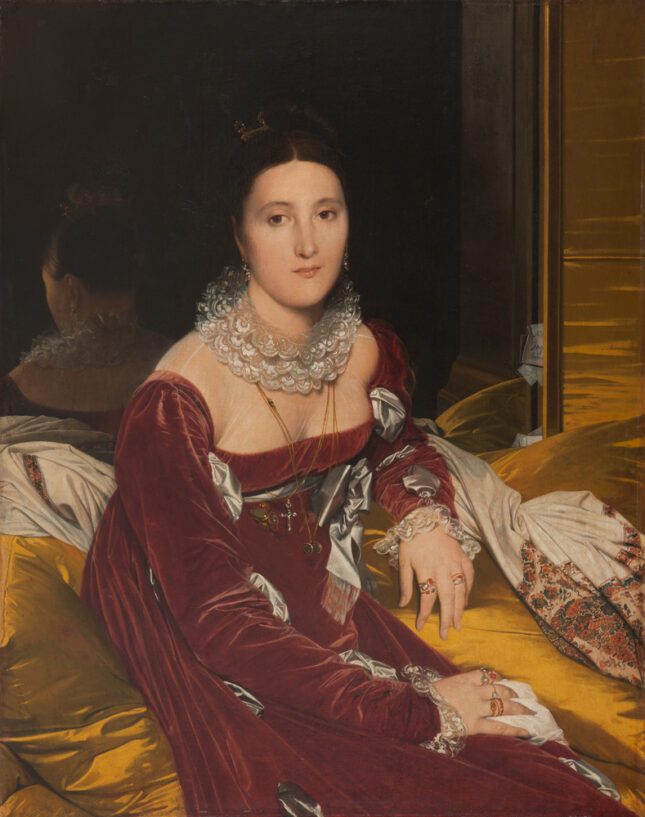 1814Portrait of Madame de Senonnes
 -
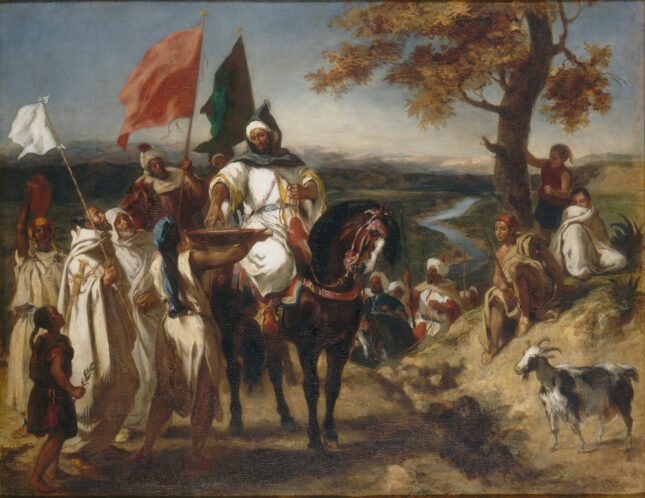 1837The Kaïd, Moroccan chief
 -
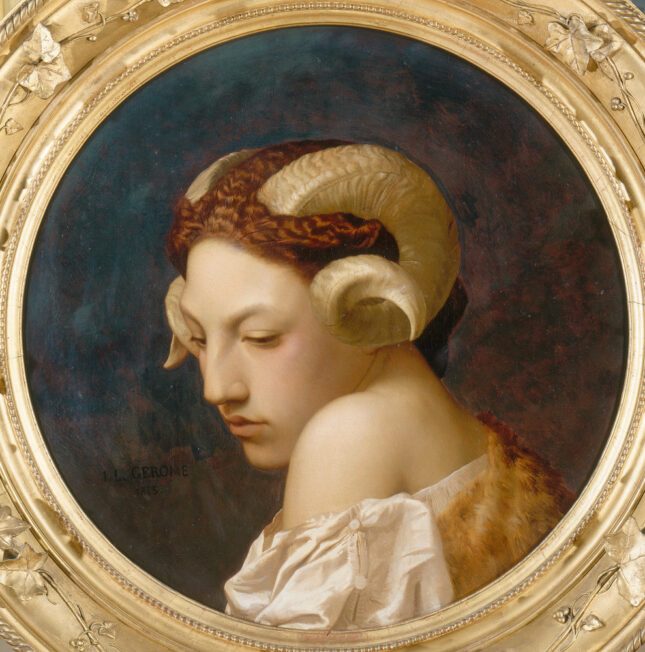 1853Woman's head with ram's horns
 -
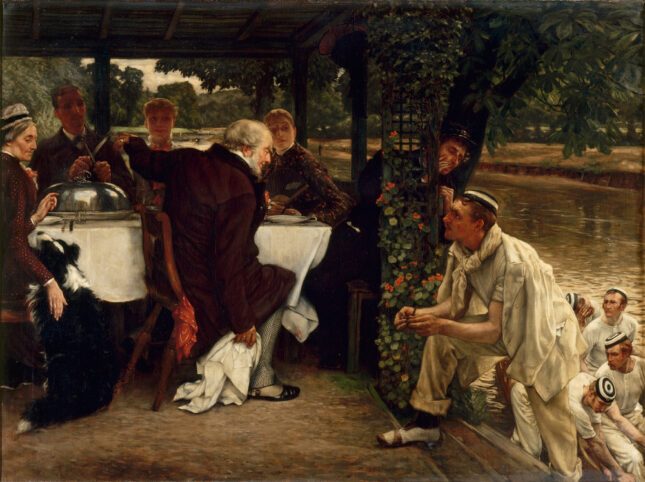 circa 1880Continuation of L'Enfant Prodigue: Le Veau Gras
 -
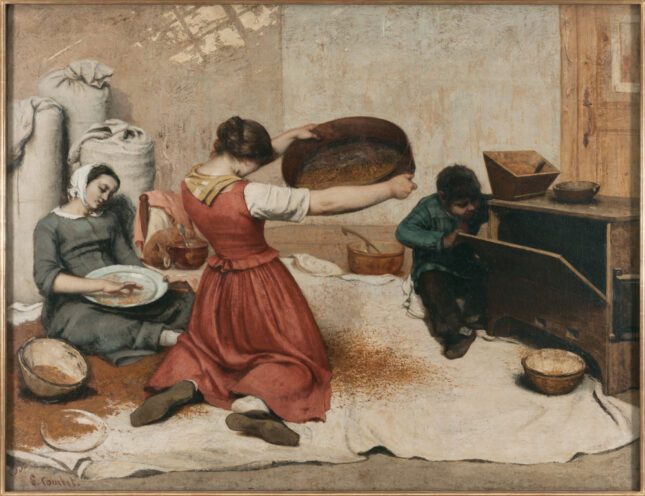 1855Wheat Screeners
 -
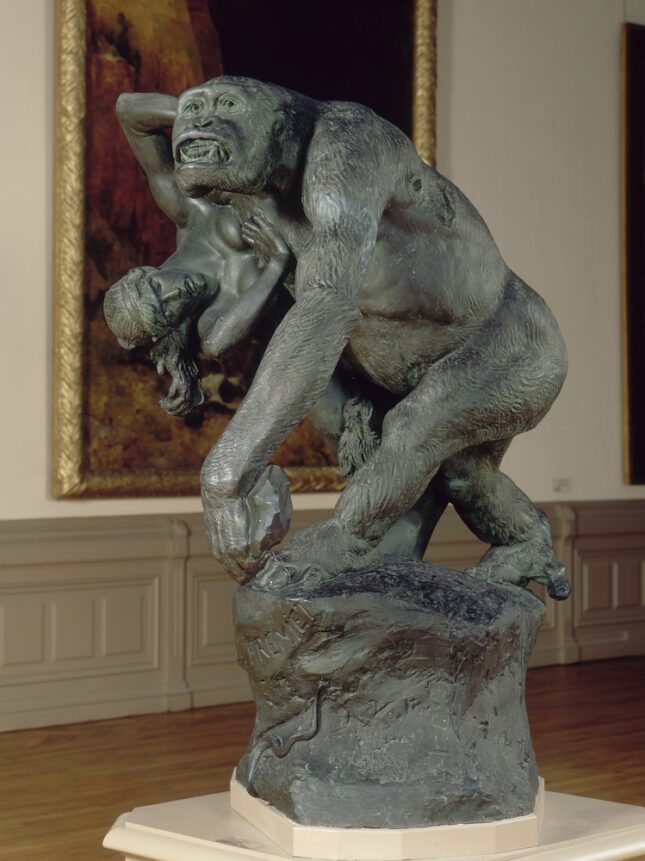 1887Gorilla kidnapping a woman
 -
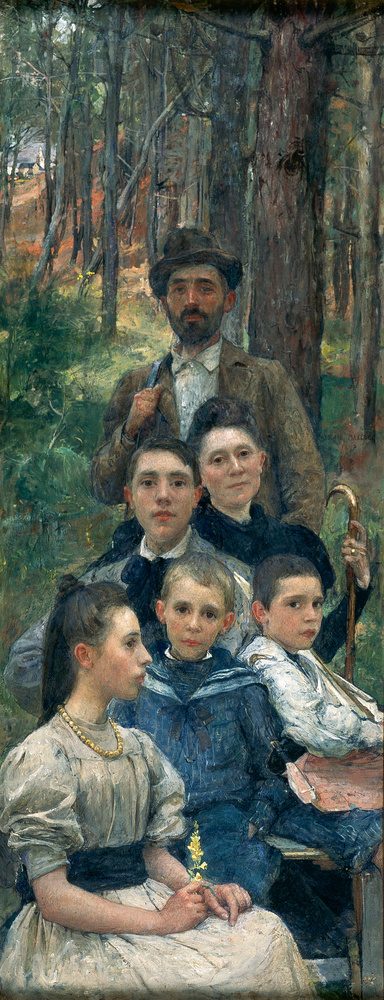 1897The Roy Family
 -
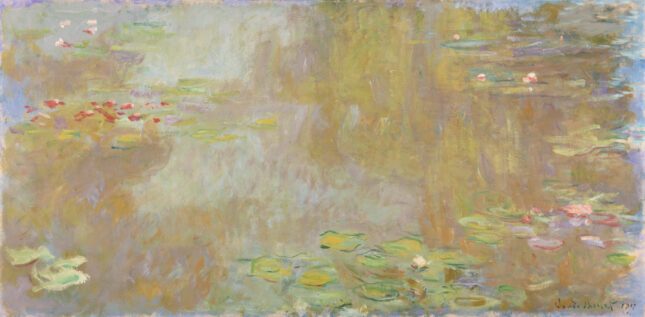 1917The Water Lilies at Giverny
-
-
On video
La Ballade de Lénore by Emile-Jean-Horace Vernet is off on a trip. For a few months, she will be staying at the Château de Versailles for a major retrospective dedicated to the painter Horace Vernet (1789 - 1863). Take a behind-the-scenes look at her great adventure, from her departure from the museum to her arrival in Versailles.
A video imagined, written and produced by the museum teams.
Five years after its reopening in 2017, the Musée d'arts de Nantes has embarked on an ambitious project to reaccommodate its permanent collections. After the first floor of the Palais with ancient art in 2022, the 19ᵉ century collections are in turn benefiting from a complete reaccrochage, to be carried out gradually over the summer of 2023.
Take a behind-the-scenes look at this remarkable project!
-
In podcast
Hustle and bustle
A series of podcasts from the Musée d'arts de Nantes.
As they move around the museum, the works of art tell their stories, past and present.


Permanent collections
The collections of the Musée d'arts de Nantes have been built up over time, notably through the acquisition of works by living artists. Purchased on the art market, donated or bequeathed, the collections today comprise over 14,000 works in four categories: ancient art, 19th century, modern art and contemporary art.